
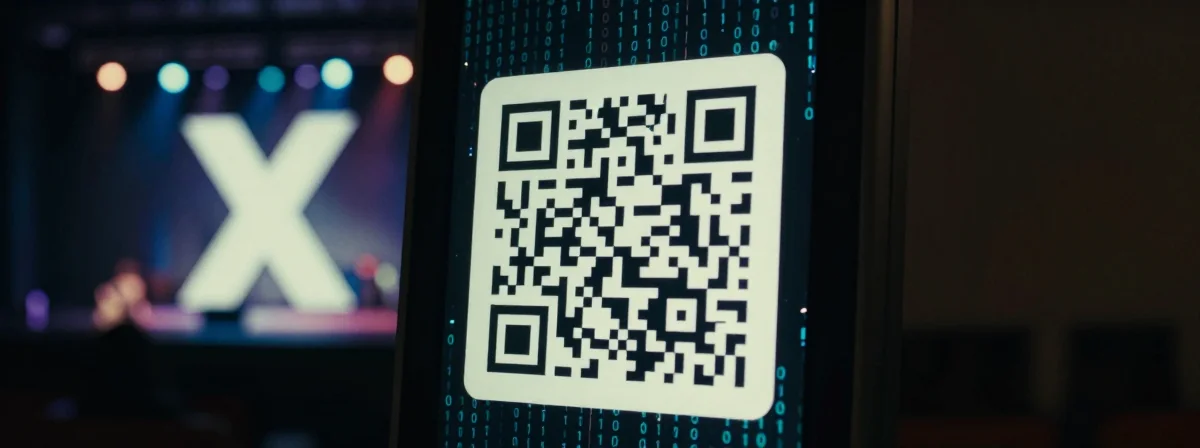
Every year, billions of digital tickets are scanned at events worldwide, yet few people realize the invisible battle happening in those tiny squares. That QR code on your phone isn’t just a static image—it’s a dynamic security system designed to keep fraudsters out. Take a screenshot today, and tomorrow it might be worthless. What makes these codes so clever, and why can’t you just save them for later?
The technology behind modern ticketing is far more sophisticated than most attendees realize. It’s not just about reading a pattern of black and white squares; it’s about real-time verification, cryptographic principles, and time-sensitive validation—all packed into something you can hold in your hand. Let’s decode how this system works.
Why Your Ticket QR Code Changes Every Minute
Imagine trying to memorize a 10-digit phone number. Now imagine trying to remember which two numbers multiplied together give you 12367950341. The first is easy; the second would take hours of guesswork. This fundamental mathematical challenge—easy to create but hard to reverse—is at the heart of dynamic QR codes.
When your ticket app generates a QR code, it’s essentially multiplying two numbers: your unique ticket identifier and a massive secret number stored on a server. The app can instantly calculate this product, but anyone trying to reverse-engineer the original numbers faces an impossible task. It’s like knowing 2×6=12 is simple, but figuring out that 12 comes from 2 and 6 when you only know the answer is practically impossible without brute force.
The secret ingredient? These codes refresh every 60-120 seconds. The server updates that “very very large secret number” constantly, ensuring that even if someone captured your code, it would be invalid within minutes. This time-based one-time password (TOTP) system is the same technology that protects your bank accounts and email—now safeguarding your concert tickets.
How Scanners Detect Fake Tickets Without Breaking a Sweat
The scanner doesn’t care if it’s reading from your live app or a screenshot—it’s just looking for valid data. What matters is whether the code’s embedded timestamp matches the current time (within a small window). Think of it like a digital timestamp on a document: once it passes its expiration, it’s no longer valid.
Some systems take it further by embedding additional verification layers. Advanced implementations use three components: your ticket number, a secret key, and a timecode. This creates a cryptographic hash that’s practically impossible to replicate without knowing all three elements. It’s like having a combination lock where you need the right numbers, in the right order, at the right time.
The beauty of this system is its simplicity for legitimate users. Your app automatically generates valid codes; the server automatically updates the secret; the scanner automatically validates. For everyone else, it’s a cryptographic maze with no exit.
The Math That Keeps Fraudsters Up at Night
Let’s talk about those “very very large numbers.” When we mentioned 12367950341 earlier, we weren’t just throwing out a random number—we were referencing a product of two prime numbers (63611 and 194431). Prime factorization is the mathematical foundation of modern cryptography.
For context, a standard computer can test millions of potential factors per second. But with numbers in the billions, that still means billions of operations. Add time-based validation, and you’ve created a system where the only reliable way to get a valid code is through legitimate channels. It’s not about making it impossible to crack—it’s about making it impractical.
Modern ticketing systems often go beyond simple multiplication, using established cryptographic algorithms like SHA-256 or similar hashing functions. These algorithms are battle-tested in industries where security failures aren’t an option. The result is a system that’s robust against everything from screenshot attempts to sophisticated hacking attempts.
Beyond Screenshots: The Multiple Layers of Ticket Security
While dynamic QR codes prevent screenshot reuse, they’re just one layer in a multi-faceted security approach. Many systems also implement:
- Single-use validation: Once scanned, the ticket becomes invalid
- Geofencing: Ensuring tickets can only be used at the correct venue
- NFC integration: Secondary verification through near-field communication
- Biometric linking: Tying tickets to specific devices or users
The most sophisticated systems combine these elements into what security experts call “defense in depth”—multiple layers that make any single point of failure irrelevant. It’s like a fortress with walls, moats, and inner chambers; even if one defense is breached, others remain.
This layered approach explains why some venues can detect screenshots even when the QR code itself hasn’t changed. They might look for subtle indicators like lack of motion, unusual display properties, or even attempt to verify through secondary channels that screenshots can’t replicate.
What This Means for Your Next Event Experience
The next time you pull up your digital ticket, take a moment to appreciate the technology at work. That small square contains a sophisticated security system designed to protect both organizers and attendees. It’s a balance between convenience and security, accessibility and exclusivity.
For organizers, these systems reduce fraud, ensure revenue integrity, and create better experiences by reducing queue times and manual validation. For attendees, it means fewer worries about counterfeit tickets and more confidence in their purchase.
The evolution of ticketing technology continues at a rapid pace. We’re already seeing systems that can verify identity, check vaccination status, and even enable cashless transactions—all through that same QR code infrastructure. The humble barcode has become a gateway to increasingly complex digital experiences.
As we move toward more digital-first events, understanding these systems becomes increasingly important. The next time you wonder why your ticket code changes every minute, remember: it’s not just about preventing screenshots—it’s about creating a secure, seamless experience for everyone involved. And that’s something worth scanning into existence.