
Is Tehran Literally Out of Water—or Just on the Brink?
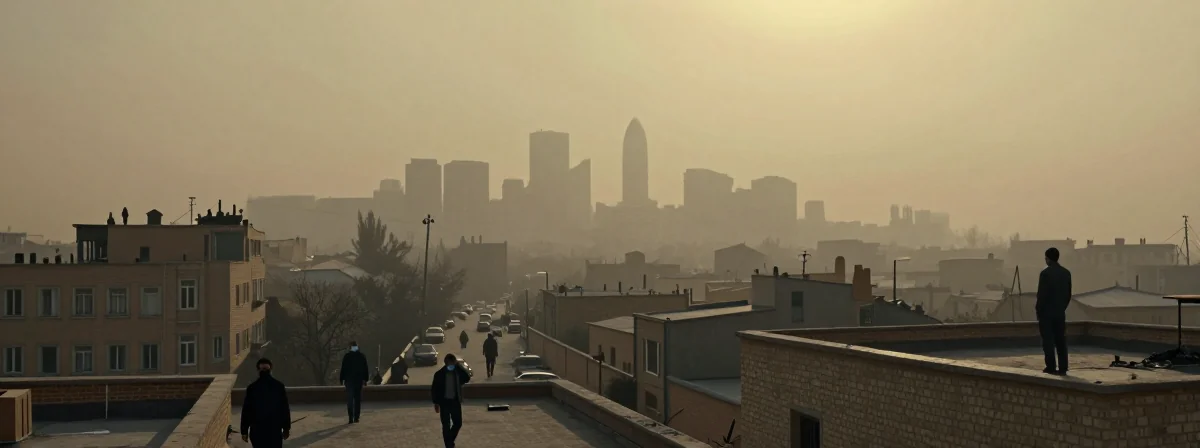
The headlines scream “Tehran is out of water,” but the reality is more nuanced. Yes, the city is facing severe rationing, and some reservoirs are nearly empty. But “out of water” isn’t binary—it’s a gradient. I remember studying the Los Angeles water crisis in the 80s; it wasn’t overnight. It was a slow decline into rationing, disease outbreaks, and eventually, mass migration. Tehran is at that tipping point now. The capital is sinking 30cm a year due to groundwater depletion, and the government has even floated the idea of relocating it to a wetter region. That’s not hyperbole—it’s hydrological reality.
Here’s the counterintuitive part: The crisis isn’t just about drought. It’s about policy. Iran’s push for self-sufficiency in agriculture, while noble, ignored the fact that farming in a desert requires smarter water use, not just more water. The dams, instead of solving the problem, created new ones—evaporation losses, dried-up rivers, and disrupted ecosystems. It’s like trying to put out a fire with gasoline. The situation is dire, but it’s not sudden. It’s the culmination of bad decisions masked as progress.
Did the US Bombing of Desalination Plants Make It Worse?
This is where things get messy. Yes, recent attacks on desalination plants have exacerbated the crisis, but the water bankruptcy predates them. The alarm bells started years ago, long before the strikes in 2025. That said, the timing is brutal. Desalination was Iran’s lifeline in a region with limited freshwater. Now, with plants damaged or destroyed, the pressure on remaining sources is immense. It’s like breaking a bone that was already fractured—now it’s shattered.
The US denies the strikes, while Iran points fingers. But here’s the truth: War crimes or not, the crisis was already brewing. The strikes didn’t create the problem, but they certainly accelerated it. Imagine a city already rationing water, then losing its backup supply. That’s Tehran now. The question isn’t “Did the bombings cause it?” but “How do we stop it from becoming a full-blown humanitarian disaster?”
From “Unpleasant to Live In” to “Uninhabitable”—The Stages of Collapse
I’ve seen this playbook before. Back in the 90s, we studied how water shortages cascade into societal collapse. It doesn’t start with people dying of thirst. It starts with food prices skyrocketing (check), then clean water becoming a luxury (check), then disease outbreaks from poor sanitation (watch this space). Iran is already seeing food inflation, and with water rationing, hygiene is next. The gap between “can’t shower” and “can’t survive” is smaller than you think.
The real danger isn’t just Tehran—it’s the domino effect. As the capital struggles, other cities will follow. And in a region already volatile, water scarcity can become a pretext for conflict. Iran isn’t just fighting drought; it’s fighting for its geopolitical stability. The government knows this, which is why they’re framing it as a national security issue. But here’s the kicker: They can’t fix it without outside help, and sanctions make that nearly impossible.
What’s the Game Plan? Shipping Water or Desalinating at Last?
The immediate solutions are ugly. Shipping in drinking water? Possible, but expensive and unsustainable. Using saltwater for gray water? That’s a stopgap, not a solution. Iran was already one of the top dam-builders in the late 20th century, but dams aren’t the answer when the water isn’t there. The real game plan has to be systemic: better agriculture, stricter water laws, and maybe—just maybe—international cooperation. But with tensions high, that’s a long shot.
Here’s the brutal truth: The crisis is a symptom of deeper issues. Iran’s theocracy, sanctions, and regional conflicts have all played a role. But water doesn’t care about politics. It follows physics. And right now, physics is winning. The question isn’t “Can they survive?” but “How many will survive, and at what cost?”
The Final Straw: When Water Becomes a Weapon
I remember studying the 1973 oil crisis. Back then, we thought energy was the ultimate weapon. Now, it’s water. Bombing desalination plants isn’t just sabotage—it’s an attack on life itself. And while Iran has targeted neighboring countries’ plants too, that doesn’t make it right. In war, water infrastructure is a red line. Cross it, and you’re not just fighting soldiers—you’re fighting civilians.
The irony? This crisis could have been a catalyst for change. Instead, it’s becoming a pretext for more conflict. Iran’s government could have used this to push for sustainable policies, but pride and politics got in the way. Now, the world watches as a major city teeters on collapse. The lesson? Water isn’t infinite. And when it’s gone, everything else follows.