
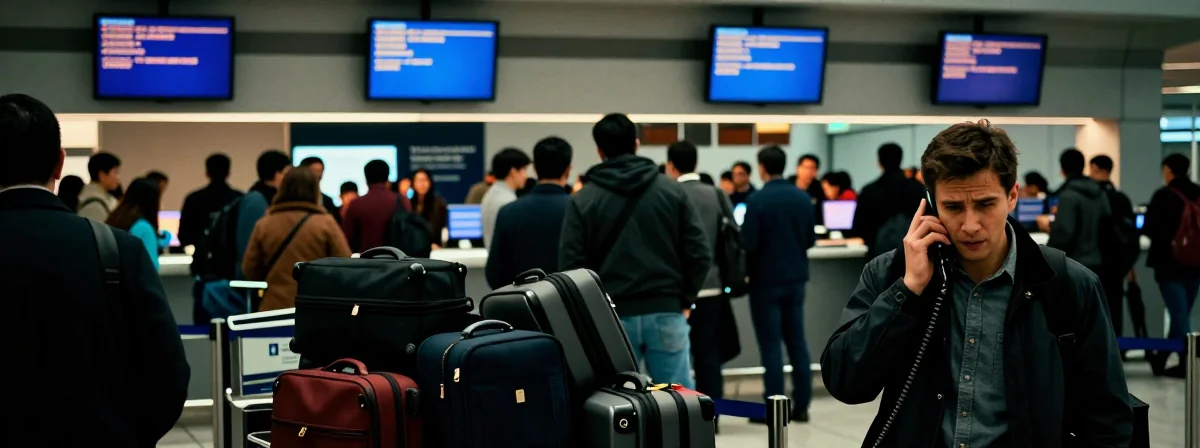
Ever felt like airport delays are getting worse? Like the line at TSA is endless, and your flight is suddenly canceled for no clear reason? It’s not just you. There’s a hidden force behind the chaos, and it’s connected to something bigger than just bad weather or overbooked flights.
The truth is, the partial government shutdown is quietly messing with the entire travel system. From TSA agents working without pay to air traffic controllers struggling with outdated systems, the cracks are showing—and they’re affecting your travel plans.
Take last week, for example. The East Coast was hit with a full airport shutdown because a radar center had to evacuate due to a chemical smell. Then, Seattle’s rare snowstorm caused massive delays because crews weren’t practiced in de-icing planes quickly. Meanwhile, storms on the East Coast and a heatwave in the Southwest added to the mess. It’s a perfect storm of problems, and the government shutdown is at the center of it.
Why Are TSA Lines Taking Forever? (Hint: It’s Not Just Crowds)
Imagine showing up for work every day but not getting paid. Sound stressful? That’s exactly what’s happening to TSA agents right now. Because TSA falls under the Department of Homeland Security, which is feeling the shutdown’s effects, many agents are working without pay. The result? High stress, low morale, and some simply not showing up.
Add to that the fact that spring break is starting, and airports are already crowded. The combination means longer lines, more missed flights, and a generally miserable experience. No wonder you’re spending an hour just to get through security.
What About Air Traffic Controllers? Are They Safe?
Here’s where it gets tricky—and a bit reassuring. Air traffic controllers are actually being paid right now because the FAA (Federal Aviation Administration) is part of the Department of Transportation, which isn’t affected by the shutdown. But that doesn’t mean everything’s smooth.
The air traffic system is incredibly fragile. One small disruption—like the radar center issue in the East Coast—can cause massive delays. And while there are redundant systems to keep flights safe, the system is operating at its limit. That means delays at one airport can ripple across the entire country, grounding flights far from the original problem.
How Weather Is Making It Worse (And It’s Not Just Snow)
Snow in Seattle and storms on the East Coast are just the latest in a string of extreme weather events. The Southwest is baking under a heatwave, and the Pacific Northwest is seeing more snow than usual. While weather delays are normal, the shutdown has left airports and airlines with fewer resources to handle them.
De-icing planes or clearing runways takes time, and when crews aren’t practiced (like in Seattle), it takes even longer. The same goes for rerouting flights during storms. With fewer staff and higher stress, the system can’t adapt as quickly as it should.
The Hidden Cost of Delays: Your Time and Money
Flight delays aren’t just annoying—they’re expensive. Every hour you’re stuck at the airport is time you could be using for work, family, or relaxation. And if your flight is canceled, you might face rebooking fees or even missed connections.
The shutdown isn’t just causing delays; it’s creating a ripple effect that could cost travelers thousands. And while airlines might offer vouchers or refunds, the frustration of planning around these disruptions is real.
What Can You Do to Avoid the Chaos?
While you can’t control the government shutdown or the weather, you can take steps to minimize the impact on your travel. Here’s what to do:
- Check flight status early: Before you leave for the airport, see if there are any delays or cancellations.
- Pack essentials for delays: Bring snacks, water, and a charger in case you’re stuck for hours.
- Be flexible with dates: If possible, travel mid-week or during off-hours when airports are less crowded.
- Have a backup plan: Know what you’ll do if your flight is canceled—like whether you’ll wait for the next one or book a different airline.
The System Is Fragile, But Safety Isn’t Compromised
It’s easy to feel frustrated or even scared when flights are constantly delayed. But here’s the silver lining: despite the chaos, commercial aviation remains incredibly safe. The redundancies built into the system are deliberate—designed to fail safely rather than fail catastrophically.
So while you might be stuck at the gate or waiting in a long line, know that the people working to keep you safe are still doing their jobs. The shutdown and extreme weather are testing the system, but the safety protocols are holding strong.