
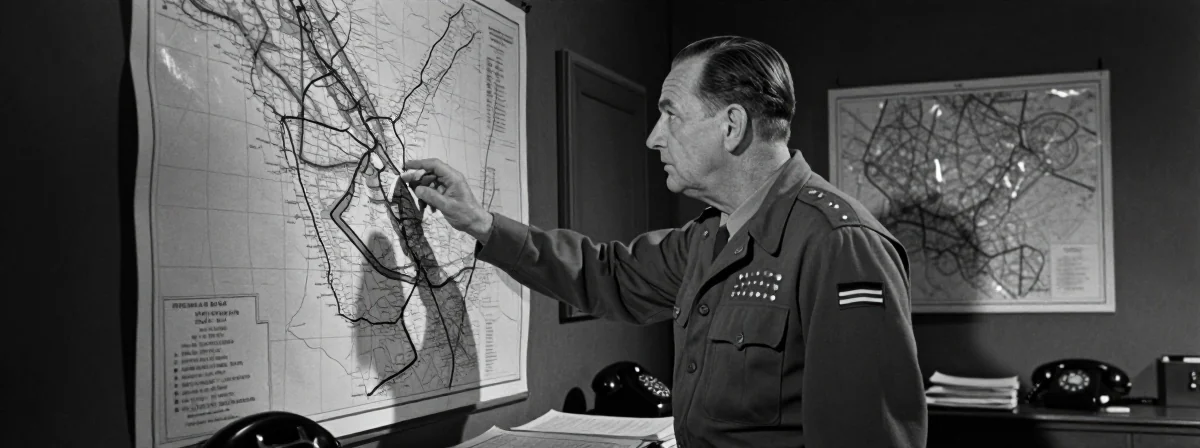
You think you know how close we came. But do you really know? Imagine this: the world’s most powerful nations teetering on the brink, nuclear weapons locked and loaded, and the fate of humanity resting on the shoulders of a few men in dark rooms. The Cuban Missile Crisis wasn’t just a tense standoff — it was a near-death experience for our entire species. And the truth is, we came terrifyingly close to oblivion because of one overlooked detail. Let’s talk about the thin line between annihilation and survival.
The Weight of War
WWII Vets Knew Better Than Most
The men steering the nuclear ships during the Cuban crisis weren’t just politicians or generals — they were WWII veterans. They’d seen the horror firsthand. They knew the mushroom cloud wasn’t just a scientific phenomenon; it was the end of everything. That shared trauma created an unspoken agreement: “Not again.” It wasn’t just strategy; it was survival instinct at the highest level. They’d already lived through the war to end all wars, and they weren’t about to let it happen again.The Silent Sub That Could Have Ended It All
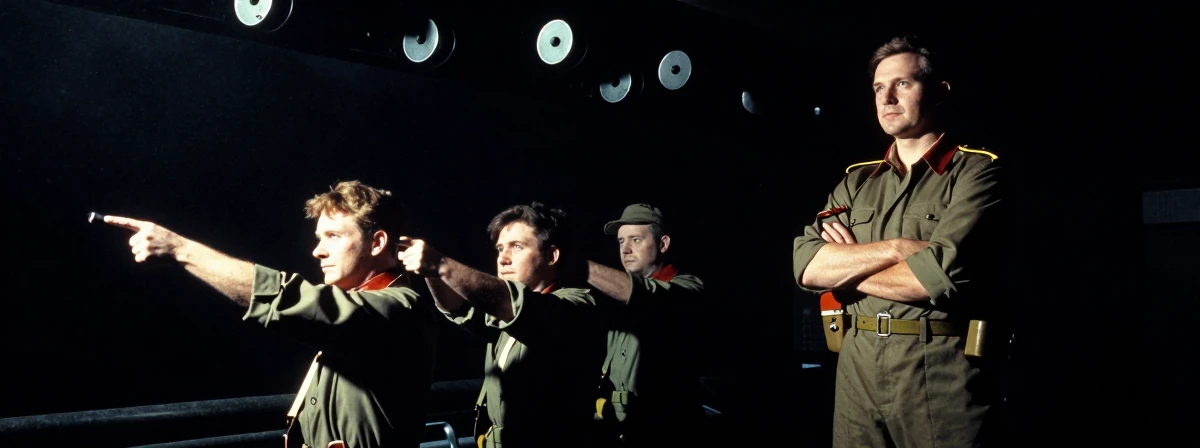
Here’s the part they don’t teach in history class: while the world watched the naval blockade, a Soviet submarine was lurking beneath the waves, armed with a nuclear torpedo. The Americans, trying to force it to surface, dropped training depth charges — non-explosive warnings. But down there in the darkness, cut off from communication, the Soviet crew had no way of knowing. The captain and political officer both agreed: fire. It was the textbook response. The only thing standing between us and nuclear war? A man named Vasily Arkhipov.
- Arkhipov: The Unsung Hero Who Said No
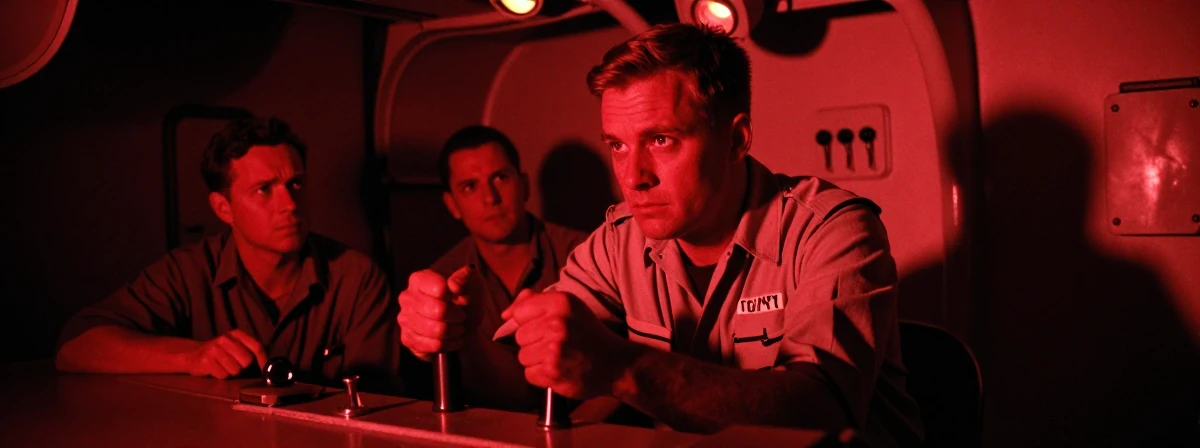
Arkhipov wasn’t just any officer — he was the flotilla commander, the third man needed to authorize the launch. Outnumbered 2-1, he refused. Not because of orders, not because of protocol, but because he knew what firing that torpedo would mean. One man’s veto saved the world. Think about that — the balance of global power rested on his shoulders, and he didn’t blink. He didn’t just prevent a war; he preserved civilization.
- Radiation’s Ghost in the Machine
Here’s where it gets personal. Before this moment, Arkhipov had survived the K-19 disaster — the Soviet submarine that suffered a reactor meltdown. He’d seen men knowingly walk into a reactor room to fix it, knowing they’d never walk out. He’d watched his comrades die from radiation poisoning. When faced with the decision to launch a nuclear weapon, he wasn’t just thinking about politics or strategy. He was thinking about the faces of the men he’d lost. That’s not just leadership — that’s humanity in action.
Lessons We Still Need
The Illusion of Certainty
People love to say the Cuban Missile Crisis was “inevitable.” It wasn’t. At every step, there were choices. Kennedy’s advisors pushed for invasion; Castro begged for nuclear retaliation. The path to war was paved with bad decisions, not destiny. The same goes for today’s conflicts. Nothing is ever “inevitable” until someone decides to make it so. The moment you accept inevitability is the moment you stop fighting for a different outcome.Experience Isn’t Everything
Yes, the WWII vets knew the cost of war. But look at the Korean War — high-ranking officers were already itching to use nukes back then. Experience can harden you, but it doesn’t always make you wiser. That’s why vigilance matters. That’s why we can’t take peace for granted, even when we’ve seen it before. The past doesn’t guarantee the future; it just gives you a better map to navigate it.The Power of One
Arkhipov wasn’t a president or a secretary of state. He was a naval officer, one of many in a global drama. Yet his single decision changed everything. This isn’t just a historical footnote — it’s a reminder that every single person has the power to stop something terrible. You don’t need a title or a uniform. You just need to know when to say no.
Your Turn
The Cuban Missile Crisis ended, but the lessons didn’t. We’re still one decision away from disaster. We’re still one person’s courage away from survival. The world doesn’t need more generals or diplomats; it needs more Arkhipovs — people who, when faced with the choice between chaos and calm, choose calm. Because the truth is, the only thing standing between us and the abyss is the willingness to look away. Don’t look away. Stand firm. Be the one who says no.