
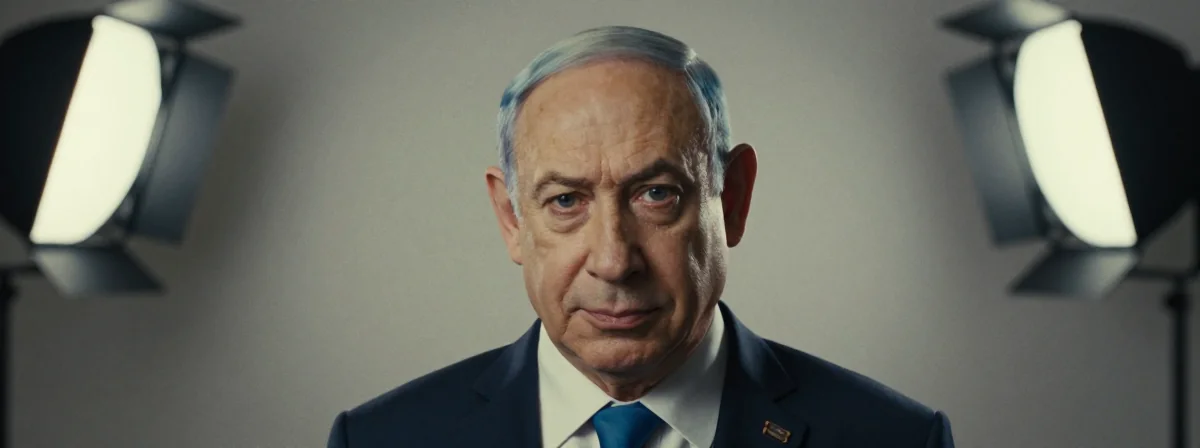
The human eye is easily deceived. We see what we expect to see, not always what is truly there. In a world where a single doctored image can spread like wildfire across social media, the line between reality and illusion grows thinner by the day. The recent viral rumors about Netanyahu’s health—claiming he has six fingers, that his teeth appear and disappear, or that he’s even dead—highlight how easily our perception can be manipulated. But beneath the surface of these wild claims lies a deeper lesson about how we consume information in the digital age.
When a video circulates online showing what appears to be a glitch or anomaly—like a hand that looks like it has an extra finger or teeth that seem to vanish and reappear—it’s tempting to jump to conclusions. The mind fills in gaps, and before long, a conspiracy is born. But is it real, or is it an optical illusion? The truth is often far more mundane than the rumors suggest.
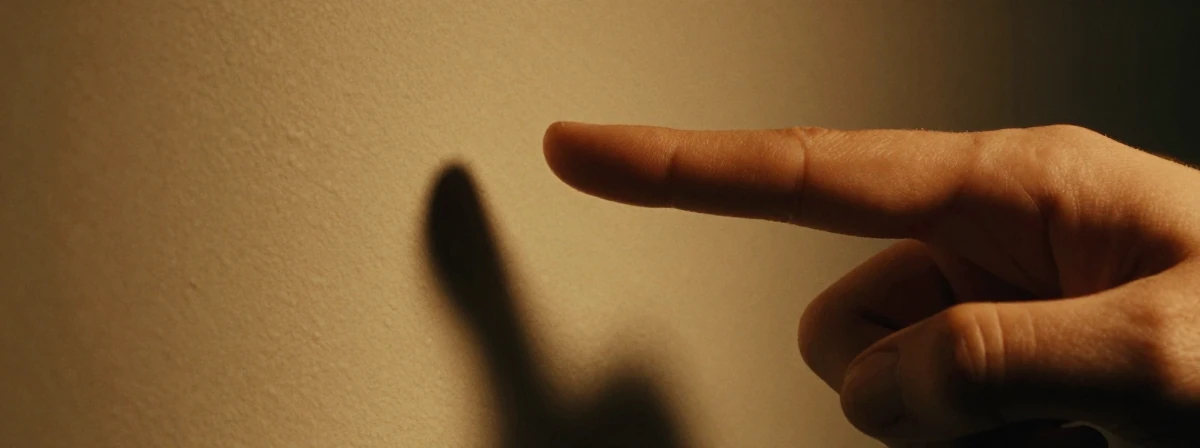
Take the case of the “six-finger” claim. Many who watched the video immediately saw what they expected to see—a sign of something sinister. But closer inspection reveals that the “extra finger” is simply the side of the hand catching light in a way that mimics a sixth digit. It’s a trick of perspective, not evidence of anything more. This isn’t new; throughout history, optical illusions have been used to mislead, from ancient etchings to modern deepfakes. The difference now is the speed at which these illusions spread.
Why Do We Fall for These Visual Tricks?
The human brain is wired to find patterns. In the chaos of the digital world, we crave certainty, and when something unusual appears—like a fleeting image of a “disappearing ring” or a “vanishing tooth”—our minds seize on it as proof of a larger conspiracy. But this is a cognitive trap. We mistake correlation for causation, assuming that because something looks odd, it must be intentional.
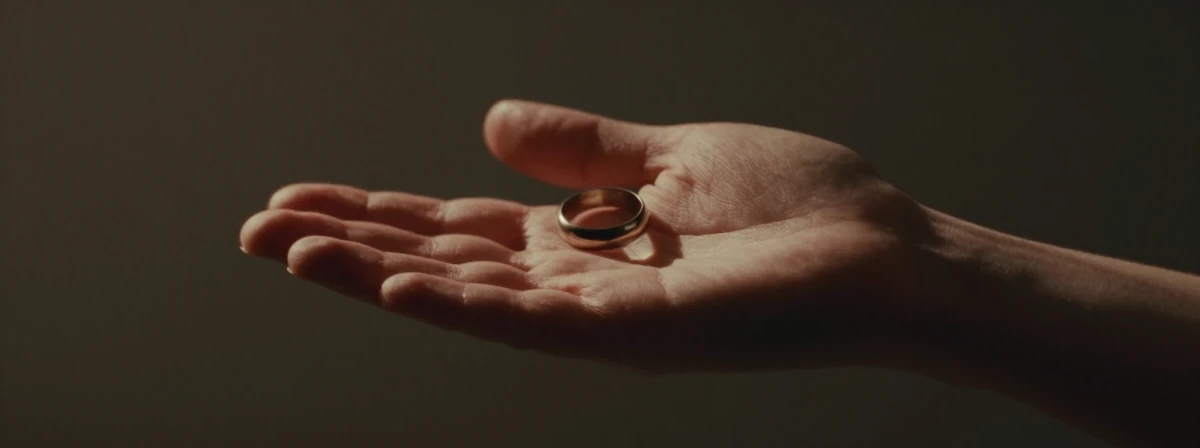
Consider the ring that allegedly disappears and reappears on Netanyahu’s hand. To the casual observer, this seems like a deliberate illusion. But in reality, it could be as simple as the ring shifting position or the lighting changing. The same goes for the claim that he didn’t attend a security meeting—perhaps he was ill, or perhaps there was another legitimate reason. The point is, we’re quick to assume the worst without considering the simplest explanations.
This isn’t just about Netanyahu; it’s about how we approach all information in the age of social media. Every viral video, every forwarded message, every “I just saw this” post carries the potential to mislead. And while some rumors are harmless, others can have real-world consequences—spreading fear, inciting anger, or even influencing elections.
The Role of Social Media in Amplifying Rumors
Social media platforms are designed for engagement, not accuracy. The more shocking or controversial a post, the more likely it is to be shared. This creates a feedback loop where rumors gain momentum simply because they provoke an emotional response. In the case of Netanyahu’s health, the rumors tapped into existing distrust and political tensions, making them even more compelling.
But there’s another layer to this: the illusion of authority. When a rumor is shared by someone with a large following or someone who seems credible, we’re more likely to believe it. This is why fact-checking is so critical. Even if a source seems trustworthy, it’s worth verifying through multiple outlets. For example, if a claim about someone’s death is made, a quick check of reliable news sources or official statements can quickly debunk it.
Wikipedia, despite being banned in some schools as a primary source, is actually a useful tool for this. Its edit history and cited references can often reveal the origins of a rumor or whether it has been debunked. The moment a person is officially declared dead, Wikipedia will reflect that change—not because of a single edit, but because of the consensus of multiple reliable sources. This is the power of collaborative truth.
How to Spot Fake News Before It Spreads
The best defense against misinformation is critical thinking. Here are a few questions to ask yourself before sharing or believing a viral claim:
- Is the source credible? Does it come from a known news outlet, or is it an anonymous post?
- Does it rely on emotion? If the story makes you angry or fearful, pause and ask why.
- Are there multiple sources? If only one person or site is reporting it, be skeptical.
- Does it make logical sense? If the claim seems too wild to be true, it probably is.
- Can you verify it independently? Check official statements or fact-checking sites.
For instance, the claim that Netanyahu’s Wikipedia page didn’t update his death until state media confirmed it is a reminder that even seemingly reliable sources can be delayed or contested. But this doesn’t mean the information is false—it means verification takes time. In the age of instant news, patience is a virtue.
The Bigger Picture: Why Rumors Matter
At its core, the spread of rumors about Netanyahu’s health isn’t just about one person or one event. It’s a reflection of our collective struggle to navigate an information landscape that is more complex than ever. We live in a world where the line between truth and fiction is often blurred, where optical illusions and deepfakes can seem indistinguishable from reality.
But here’s the truth: The more we understand how these illusions work, the better equipped we are to see through them. Whether it’s a six-fingered hand, a disappearing ring, or a fabricated death, the same principles apply. Question what you see, verify what you hear, and remember that the simplest explanation is often the right one.
In the end, the rumors about Netanyahu’s health may fade, but the lessons they teach us will remain. The next time you encounter a viral claim, pause. Ask yourself: Is this real, or is it an illusion? The answer might surprise you.