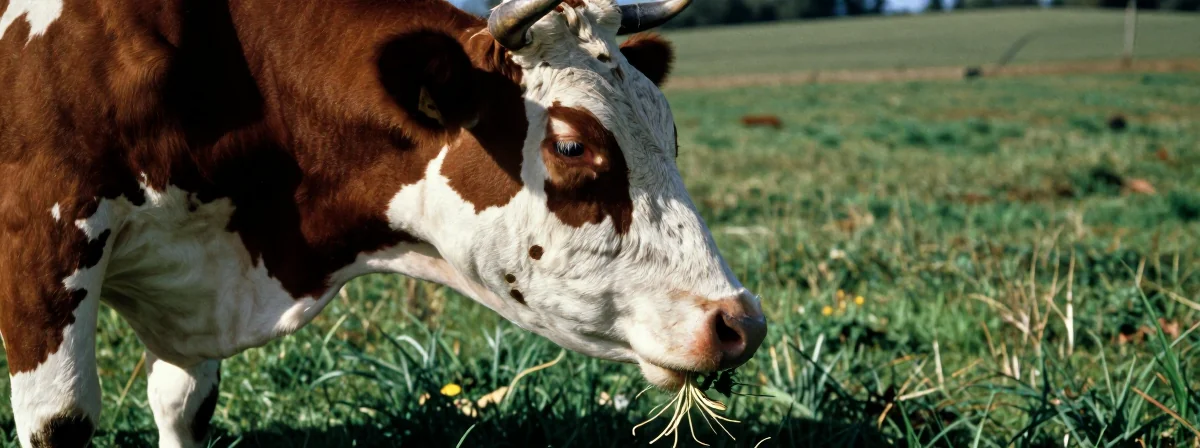
Some days you learn things that fundamentally change how you see the world. Like finding out cows spend 10+ hours a day just… chewing their cud. Not eating, not moving—just slowly, methodically, working through the same food over and over again. It sounds absurd, almost lazy. But the truth is, they’re not being inefficient—they’re being incredibly efficient at something we humans have forgotten how to do: extract maximum value from minimal resources. And as we rush toward a future of instant gratification and endless options, maybe there’s something profound we’re missing in the process.
What We Gain, What We Lose
Cats Don’t Need Vitamin C—But We Do, and That’s Not an Accident
Cats can synthesize their own vitamin C in their livers. Humans can’t. Why? Because somewhere along our evolutionary path, we stopped needing to make it—our diets became rich enough in fruits and vegetables that we could just… eat it. But here’s the kicker: synthesizing nutrients isn’t free. It takes energy, resources, and biological machinery. Cats trade the energy cost of making vitamin C for the ability to subsist on meat alone. We trade the ability to make it for a more varied diet. The trade-off is real—and it’s a reminder that every convenience has a hidden cost.Cows Are the Ultimate Specialists—But at What Price?
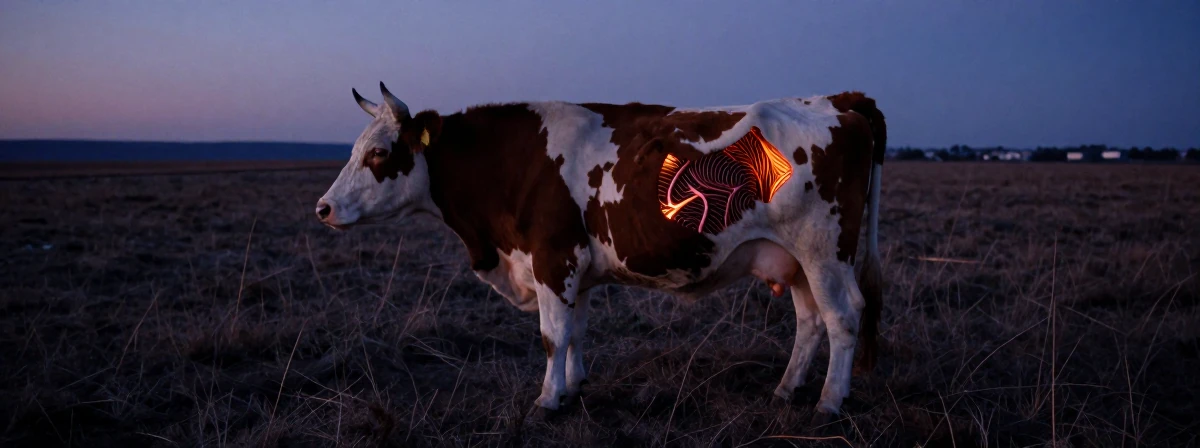
A cow spends 3-4 hours eating and 10+ hours ruminating. That’s not laziness; it’s a biological necessity. They’ve evolved a stomach that houses microbes to ferment grass into something digestible. It’s a brilliant system—until the grass runs out. Then they’re in trouble. Specialization is powerful, but it comes with fragility. Think about how many species are now endangered because their single food source disappeared. Maybe our relentless pursuit of specialization isn’t as smart as we think.
- We Can Live on Fewer Foods Than You Think—But Should We?
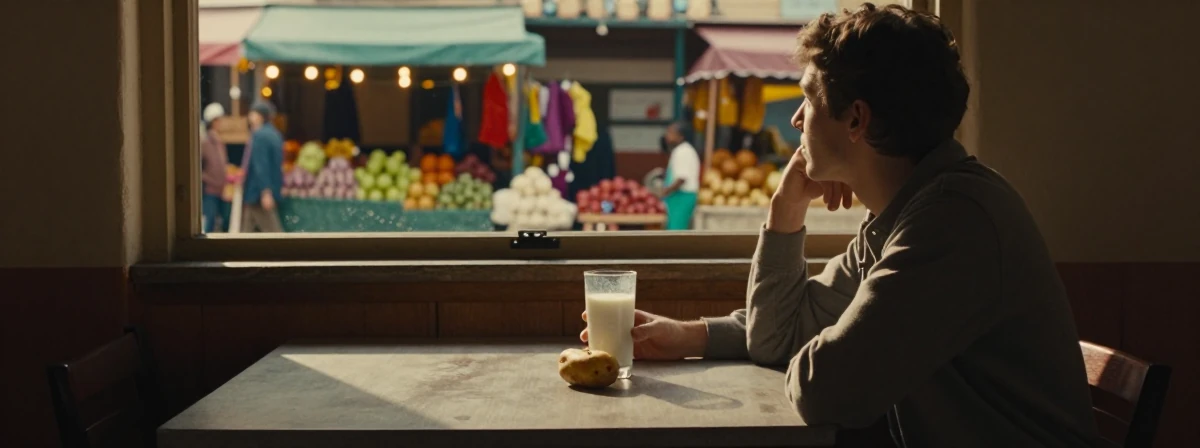
You could probably survive on just milk and potatoes, or rice and beans—with some vitamin supplements. But would you thrive? The human body is capable of incredible efficiency, but it’s also designed for variability. Our omnivorous nature isn’t just about getting all nutrients; it’s about resilience. When one food source fails, we have backups. It’s a lesson in adaptability that our modern, curated diets are eroding.
“Monophagous” Is a Myth—Most Animals Are Opportunists at Heart
Are there animals that eat only one thing? Not really. Even herbivores will snack on insects or bones when needed. The idea of strict dietary rules is mostly human-made. Nature is messy, flexible, and opportunistic. We’ve convinced ourselves that we need precise, controlled diets—but maybe the real secret is embracing a little chaos. After all, the most successful species are the ones that can roll with the punches.Koalas Sleep 20 Hours a Day Because Their Food Is Poisonous
Koalas don’t just sleep that much because they’re lazy. Their diet of eucalyptus leaves is so toxic and difficult to digest that their bodies have to work overtime to process it. The sleep is a survival mechanism—a way to conserve energy while their systems do the hard work. It’s a brutal reminder that every food choice has consequences. We might not be eating poison, but our ultra-processed diets are still asking our bodies to do things they weren’t designed for.Plants Eat Air and Water—And That’s the Ultimate Diet Hack
Think about it: plants get everything they need from carbon dioxide, water, and sunlight. No hunting, no foraging, no complex digestive systems. They’re the ultimate minimalists. Animals, on the other hand, evolved to exploit what plants produce—which is why our diets are so much more complicated. Maybe the future of food isn’t about more options, but fewer—simpler, more sustainable sources that don’t require constant refinement and processing.
Proceed With Caution
We live in a world of endless choice, where we can have anything we want, anytime we want it. But the natural world reminds us that there’s beauty—and wisdom—in limitation. Cows ruminate for hours because it’s the only way to get value from their food. We chase variety because we’ve forgotten how to extract value from less. The next time you reach for another option, another snack, another choice—ask yourself: what are you really gaining, and what are you losing? Maybe the answer isn’t more, but better.