
Some days you look at the world and realize the only constant is how badly things can go wrong — and how brilliantly humans adapt. The story of Soviet space landings isn’t just history. It’s a masterclass in what happens when you push engineering to its absolute limit, then some. It’s the kind of design philosophy that makes you both terrified and inspired.
The Aesthetic Edge
The Flip Phone of Space Landings
Remember when phones were clunky, had antennas, and you actually had to remember numbers? That’s the Soviet approach to space landings. Just get the job done. Don’t ask how, when, or why. It’s the ultimate “it works” aesthetic — brutal, functional, and terrifyingly efficient.That’s Soviet engineering in a nutshell.Bob We Had a Baby
Sometimes the absurdity isn’t in the engineering, but in the way we communicate it. “Bob weadababyetsaboi” — the kind of phonetic shorthand that only makes sense when you’re five years old and trying to get your parents to pick you up from the mall. It’s the human element in all this cold, hard tech. It’s what keeps us sane when the machines go haywire.The Crash Landing That Counted
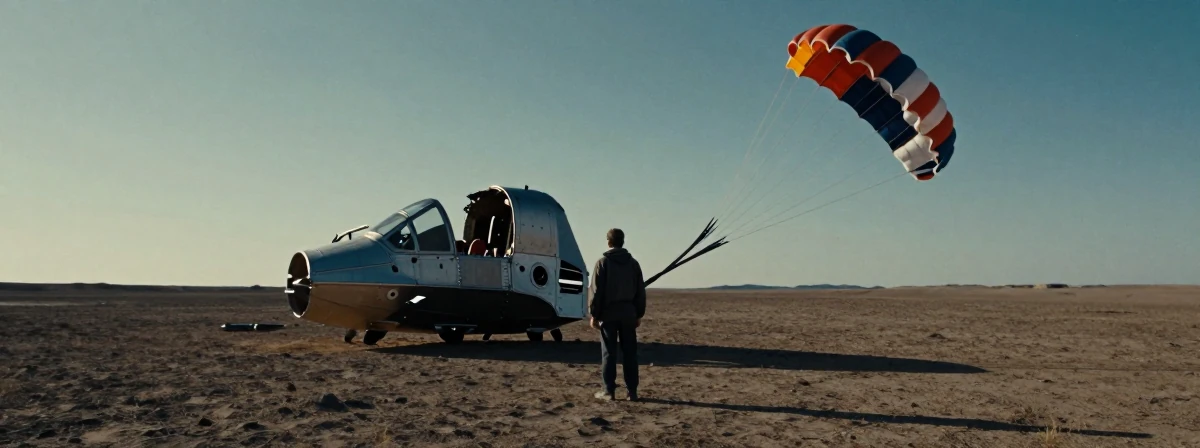
They actually did it. Russia couldn’t figure out how to land the craft safely within weight limits, so they just… crashed it. The human inside bailed out with a parachute. It’s the kind of solution that makes you think, “Of course. Why didn’t we all think of that?” It’s the ultimate in “good enough” design — and it worked. Until it didn’t.
The Soviet Space Pen Myth (and Why It’s Not a Myth)
You’ve heard the story: NASA spent millions on a pen that could write upside down, and the Soviets just used a pencil. It’s half true. The Soviets did use pencils — because their solution to every problem was to make the problem go away, not to fix it. It’s the kind of design thinking that’s both infuriating and brilliant. It’s the kind of thinking that gets results, even if those results are… unconventional.The Kerbal Space Program of Real Life
Ah, so that’s why that scene in Top Gun 2 made sense. The DarkStar explodes, and suddenly Tom Cruise is stumbling through a desert town. It’s not just Hollywood. It’s real. It’s the kind of thing that happens when you’re trying to do something no one’s ever done before. It’s the kind of thing that makes you wonder if the Soviets were just playing Kerbal Space Program with real people.The Survival Kit That Included a Shotgun
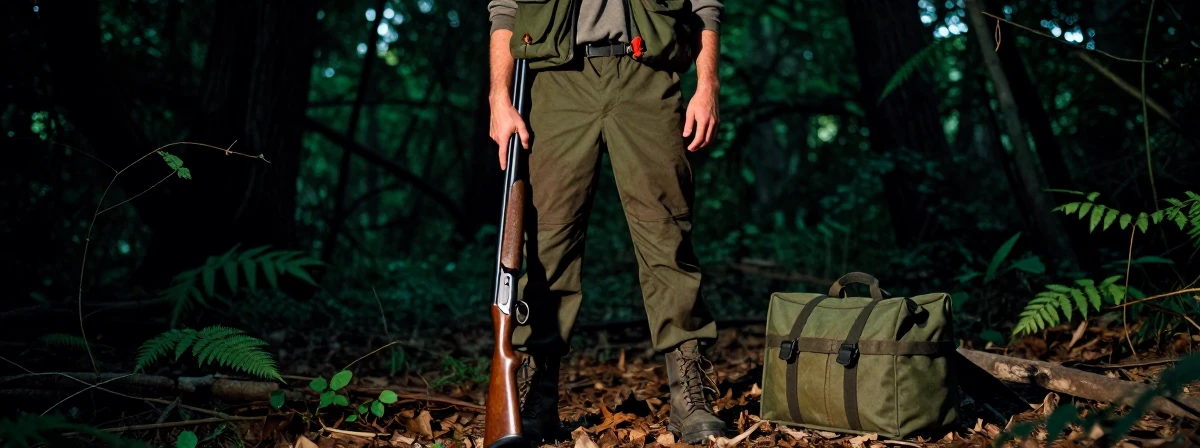
For a long time, Soyuz capsules came with a survival rifle/shotgun. Because, you know, sometimes you land in the middle of nowhere and wolves show up. They quietly stopped doing that in the ISS era. Probably because no one was really comfortable with having a gun accessible on the station. But for a while there, it was just another day in the Soviet space program.
The Last Soviet Astronaut
“Sorry, your home country is experiencing some technical difficulties. Please hold while the geopolitical order is reshuffled. A representative of your new country will be with you in approximately 6 business months.” It’s the kind of bureaucratic nightmare that only happens when you’re stuck in the middle of nowhere with no way home. It’s the kind of thing that makes you appreciate the little things in life — like having a country that still exists.The Most Effective Communication Ever
“USSR: new phone who dis” — because what’s more effective than a good meme? The Soviets understood this long before the internet did. They knew how to communicate in a way that was both absurd and brilliant. It’s the kind of communication that sticks with you. It’s the kind of communication that makes you think, “Yeah, that’s exactly what it was like.”
Style Points
The story of Soviet space landings isn’t just a story about engineering. It’s a story about human ingenuity at its most raw, its most desperate, its most brilliant. It’s a story about what happens when you push the limits of what’s possible — and then some. It’s a story that makes you think about what we’re capable of when we’re forced to improvise. And it’s a story that makes you grateful for the little things in life — like a landing that doesn’t involve a parachute and a shotgun.