
Have you ever wondered why some guys who lift weights end up with “man boobs”? Or why losing weight doesn’t always fix the issue? It’s not just about fat—it’s about a hidden enzyme that’s quietly reshaping your hormones. What if I told you there’s a natural process in your body that converts your testosterone into estrogen, and it could be the key to understanding everything from weight gain to low energy?
This isn’t some obscure science fact—it’s the core of how your body balances hormones. Everyone has it, and usually, it’s perfectly fine. But when things go off-kilter, the effects can be shocking. Think about it: your body is designed to keep hormones in check, but what happens when that balance gets thrown out of whack?
Let’s dive into the enzyme that’s at the heart of it all—aromatase—and why it matters more than you think.
Why Is My Body Turning Testosterone Into Estrogen?
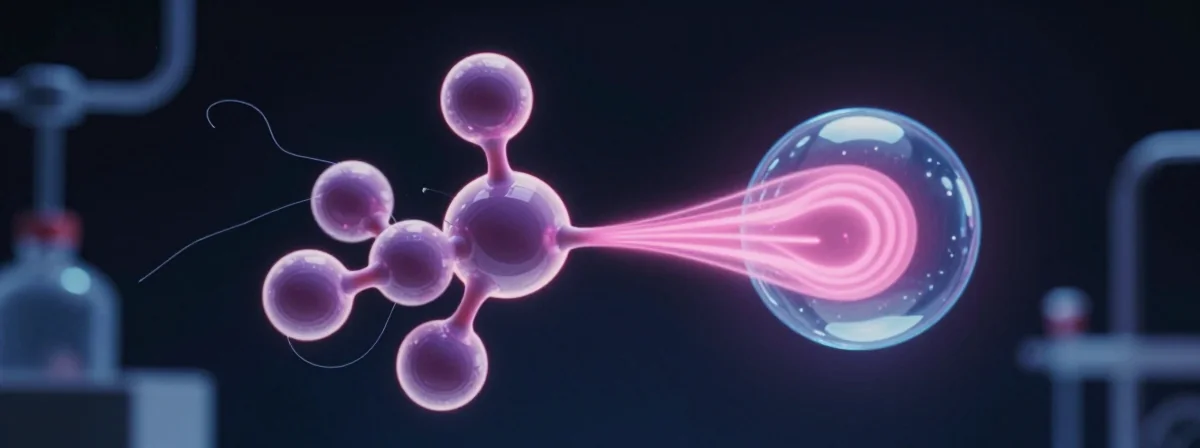
It sounds counterintuitive, but your body actually needs to convert some testosterone into estrogen. The enzyme responsible for this is called aromatase, and it’s present in everyone. Normally, this conversion keeps your hormones balanced—testosterone does its job, and a little bit gets turned into estrogen to support things like bone health and mood.
But here’s the twist: when you flood your body with extra testosterone (like from steroids or even excessive weight gain), aromatase goes into overdrive. Suddenly, way more testosterone is being converted into estrogen than your body needs. That’s when you start seeing side effects like “man boobs” or other estrogen-related issues.
The kicker? Being overweight makes it worse. Fat cells are loaded with aromatase, so the fatter you are, the more potential there is for testosterone to turn into estrogen. It’s a vicious cycle: more fat means more estrogen, which can make it harder to lose weight.
Can Losing Weight Reverse the Effects of High Estrogen?
Short answer: yes, but not completely. When you lose weight, you reduce the amount of aromatase in your body, which means less testosterone is being converted into estrogen. Many people find that their “man boobs” shrink and their energy improves after shedding extra pounds.
But here’s the catch: the skin and tissue in that area might have been stretched or altered, so even after losing weight, it might not look exactly like it did before. Think of it like stretch marks—they fade, but they don’t disappear entirely.
The best approach? Combine weight loss with muscle building. After shedding the extra weight, focus on exercises like bench press or push-ups. Building muscle in your chest can help fill out the area, giving you a more natural and toned look. It’s not just about losing fat—it’s about reshaping your body.
What Happens If You Block Estrogen Instead of Adding Testosterone?
This is where things get really interesting. Instead of adding more testosterone (which can just lead to more estrogen conversion), some people consider estrogen blockers—also known as aromatase inhibitors.
Here’s how it works: when you lower estrogen levels, your brain senses that your sex hormones are “low” and releases more luteinizing hormone (LH). LH signals your testes to produce more testosterone. So, indirectly, estrogen blockers can raise your natural testosterone levels.
But don’t get too excited—this effect is modest. Some studies show that estrogen blockers can roughly double free testosterone in certain men, but your testes have a production ceiling. Plus, crashing your estrogen too low comes with its own set of problems: joint pain, bone density loss, and even worse libido (yes, really).
Think about it: estrogen isn’t all bad. Men need some estrogen for things like bone health and mood. It’s all about balance.
The Hidden Danger of Low Estrogen in Men
Most people associate estrogen with women, but men have it too—and they need it. Low estrogen in men can lead to a surprising range of issues, including depression, stiff joints, poor libido, and even erection problems. That’s why your body has aromatase in the first place: to keep testosterone and estrogen in harmony.
The key takeaway? Don’t try to eliminate estrogen entirely. Instead, focus on balance. If you’re experiencing symptoms like low energy or weight gain, it might be worth looking into your hormone levels—both testosterone and estrogen.
Why You Should Be Careful With Steroids and Hormone Supplements
This can’t be stressed enough: don’t mess with your hormones unless a doctor says it’s necessary. Steroids and even testosterone supplements can throw your body into chaos. When you supplement testosterone for too long, your body stops producing its own, and the balance between testosterone and estrogen gets completely thrown off.
The result? You might end up with even more estrogen-related issues down the line. It’s a slippery slope, and once you’re on it, it’s hard to get off.
What’s the Best Way to Support Healthy Hormones?
If you’re concerned about your hormone levels, the best approach is natural:
- Maintain a healthy weight: Less fat means less aromatase, which means better hormone balance.
- Build muscle: Strength training can help regulate hormones and improve your physique.
- Consider estrogen blockers cautiously: If prescribed by a doctor, they can help, but don’t self-medicate.

- Get tested: Know your hormone levels before making any drastic changes.
The truth is, your body is incredibly complex, and hormones are just one piece of the puzzle. But understanding how they work—especially the role of aromatase—can make a world of difference.
The Big Picture: Hormones Are About Balance, Not Just Levels
After all this, the most important thing to remember is that hormones aren’t just about quantity—they’re about balance. Too much testosterone can lead to too much estrogen, and too little estrogen can cause its own set of problems.
What if I told you the real goal isn’t to maximize one hormone or another, but to find that sweet spot where everything works together? That’s where true health lies—not in extreme measures, but in harmony.
So the next time you think about weight loss, muscle gain, or energy levels, consider the hidden players: enzymes like aromatase and hormones like estrogen. They might just be the missing piece of the puzzle you’ve been looking for. And when you find that balance? Everything else falls into place.