
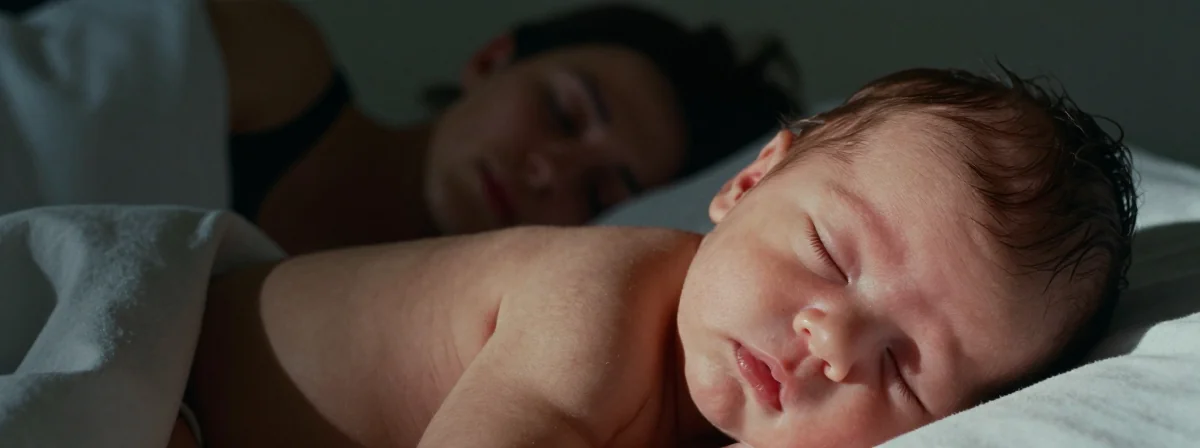
Sleep is supposed to be restorative. It’s supposed to leave you refreshed, not just exhausted in a different way. Yet here you are, counting sheep while the world sleeps soundly around you. Have you ever watched a baby sleep? Not just nodded off in a stroller, but truly asleep—deep, heavy, oblivious sleep that seems impossible for adults to achieve. There’s something fundamentally different about how babies experience rest, and we’ve forgotten what it means to truly sleep.
The phrase “sleep like a baby” carries such weight because it touches on something primal, something we desperately need but have lost. It’s not just about duration—it’s about quality, about depth, about the absence of the thousand anxieties that keep adults tossing and turning. Babies enter a state of sleep so profound that they can sleep through anything—a vacuum cleaner, a television, even a smoke alarm. And while you’re lying there, your mind racing, they’re blissfully unaware of the world’s demands.
Recent studies confirm what parents have always known: infants spend significantly more time in deep, slow-wave sleep than adults. This isn’t just about being young—it’s about a different relationship with rest, one that modern life has systematically eroded from adult experience. The truth is staring us in the face every time we watch a sleeping infant, yet we remain sleep-deprived and confused.
Why Do Babies Sleep So Deeply?
The answer isn’t as simple as “they’re tired.” It’s about biology, evolution, and something more fundamental. Babies don’t just sleep more—they sleep differently. Their sleep architecture is built around survival and development, not productivity and responsibility. When a baby is truly asleep, they enter a state of unconsciousness so complete that their brain activity changes dramatically. This isn’t just napping; it’s a different dimension of rest.
Consider this: a baby can sleep through a car ride, a shopping trip, even being moved from crib to arms and back again. Try carrying an adult through a house while they sleep and watch the results. The difference isn’t just about age—it’s about what the brain is processing. A baby’s brain during deep sleep is focused on growth, consolidation, and preparation for the next developmental leap. An adult’s brain? It’s trying to process yesterday’s stress, tomorrow’s worries, and everything in between.
The oldest child phenomenon tells the story perfectly: firstborns often sleep lightly because parents tiptoe around them; subsequent children sleep through anything because the house is naturally louder. This isn’t learned behavior—it’s a fundamental shift in how sleep works when it’s not constantly interrupted or protected. Babies don’t need perfect quiet to sleep deeply because their sleep is designed to be robust, resilient, and complete.
The Sleep We’ve Lost
Adult sleep has become fractured, anxious, and insufficient. We measure sleep by hours, not quality, and we’ve normalized a state of exhaustion as the new normal. The average adult gets less than 7 hours of sleep per night, while the CDC recommends 7-9. But it’s not just quantity—it’s quality. We wake up multiple times per night, our sleep cycles are disrupted by phones, caffeine, and stress, and we rarely experience the deep, restorative sleep that babies take for granted.
What we call “sleeping like a baby” isn’t about sleeping in 20-minute increments—it’s about entering a state of such profound rest that the world ceases to exist. It’s about waking not to responsibilities but to the simple fact that you need to wake up. Babies don’t have to remind themselves to sleep; they don’t worry about tomorrow; they don’t check their phones in the middle of the night. Their sleep is complete because their lives are simpler, more immediate, and more centered on the present moment.
The irony is that we look at babies sleeping and see peace, yet we can’t achieve that same state ourselves. We’ve forgotten how to truly rest because we’ve forgotten what it means to live without constant anxiety, without perpetual to-do lists, without the weight of adult responsibilities. The sleep babies know isn’t just about age—it’s about a different way of being in the world.
Why Quiet Rooms Are Killing Our Sleep
We’ve created sleep environments so sterile, so quiet, so controlled that they’re actually unhealthy. Newborns sleep through noise because that’s how they’re designed to survive—natural environments are never perfectly quiet. Yet we spend thousands on sound machines, blackout curtains, and white noise generators, creating sleep sanctuaries that babies don’t need and adults can’t escape.
The paradox is that our attempts to create perfect sleep conditions have made sleep more fragile. When a baby is used to sleeping with household noise, their sleep becomes deeper, more resilient, and more natural. They don’t need to be “put to sleep”—they just sleep. Adults, on the other hand, have created sleep dependencies that make rest more difficult. We need perfect conditions because our sleep has become so conditioned to those conditions.
Think about it: a baby can sleep through a smoke alarm. An adult would wake at the slightest creak. Our sleep has become so sensitive, so easily disturbed, that we’ve forgotten what it means to sleep deeply. We’ve traded natural resilience for artificial comfort, and the result is that we sleep less well than we could.
The Innocence of Sleep
Babies don’t sleep well because they’re young—they sleep well because they’re innocent. They don’t carry the weight of the world; they don’t worry about mortgages, deadlines, or social media comparisons. Their sleep is pure because their lives are pure. When adults say they slept like a baby, they’re not just talking about sleep quality—they’re talking about a state of being free from the anxieties that define adult life.
This isn’t just metaphorical. Stress hormones like cortisol disrupt sleep architecture, fragmenting rest and preventing deep sleep. Babies have naturally lower stress levels, which allows them to enter and maintain deep sleep states that adults struggle to achieve. We’ve normalized stress as part of adult life, but it comes at a cost—not just to our waking hours, but to our sleep.
The sleep babies know is sleep without regret, without anxiety, without the constant mental processing that keeps adults awake. It’s sleep that comes easily, naturally, and completely. And while we can’t return to infancy, we can learn from the sleep patterns that evolution designed to support growth, development, and well-being.
Reclaiming Our Sleep
The secret babies know isn’t just about sleep—it’s about life. They sleep deeply because they live simply. They rest fully because they worry little. They recover completely because they don’t accumulate the mental and emotional baggage that defines adult existence. The sleep we’ve lost isn’t just about hours in bed—it’s about a different relationship with rest, with time, with ourselves.
We can’t become babies again, but we can learn from their sleep. We can create environments that support natural sleep rather than fragile sleep. We can reduce stress, simplify our lives, and approach rest with the same innocence that babies bring to sleep. The sleep babies know isn’t just about age—it’s about a different way of being, a different relationship with the world, and a different understanding of what it means to rest.
The next time you watch a baby sleep, notice the peace, the stillness, the complete absence of worry. That’s not just baby sleep—that’s the sleep we’ve lost, the rest we desperately need, and the peace we might yet reclaim. The secret isn’t in how babies sleep—it’s in why they sleep that way, and what we can learn from their profound, simple, complete rest.