
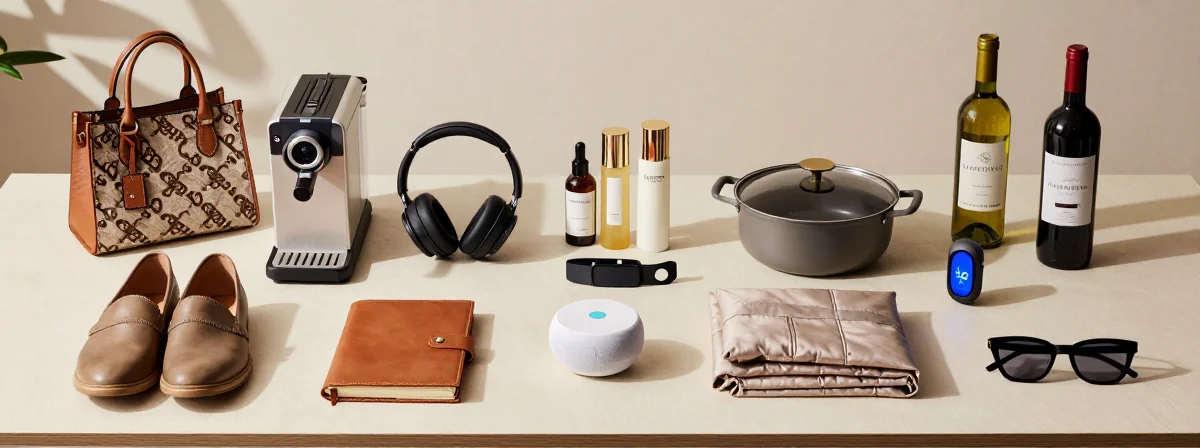
Some expenses come with a stigma—like hiring cleaners or flying first class. People assume they’re for the wealthy or lazy, but the truth is more nuanced. What we know so far is that certain investments, when viewed through the lens of time, energy, and mental health, aren’t luxuries at all. They’re tools for a better life. Reports indicate that even small, recurring expenses can dramatically reduce stress and free up hours for what truly matters. Multiple sources suggest that once you account for the value of your time and well-being, these costs often pay for themselves.
Consider this: A cleaner who does your house in 3 hours might cost $100, but it saves you an entire Saturday of interrupted, half-hearted cleaning. That’s 7 hours back in your week—hours you could spend with family, on a hobby, or simply resting. The math isn’t just about money; it’s about reclaiming your life.
Why Hiring Help Isn’t Lazy—It’s Smart
What we often overlook is that expertise matters. A professional cleaner knows techniques you don’t, a landscaper designs gardens you couldn’t, and a mechanic fixes cars you’d struggle with. It’s the same logic as taking your car to a specialist instead of tinkering with it yourself. What’s the point of spending 8 hours poorly cleaning when someone else can do it in 4? The same applies to moving—hiring movers isn’t just about saving your back; it’s about avoiding the chaos of doing it wrong.
The mental load alone is worth it. No more stressing about whether you remembered to clean the baseboards or whether the toilet bowl is sufficiently disinfected. Someone else handles it. This isn’t about avoiding work; it’s about outsourcing the tasks that don’t align with your strengths or interests. As one homeowner put it, “I’d rather spend my energy on writing, not scrubbing.”
The Hidden Cost of Doing Everything Yourself
Multiple sources suggest that the “DIY saves money” myth often ignores the hidden costs: your time, your stress, and your potential for mistakes. For example, a $200/month cleaning service means you’re paying $8.33 a day for a clean home. Compare that to the cost of a mental health therapist or the value of an extra hour of sleep—suddenly, it’s a bargain.
The same logic applies to home repairs, cooking, and even laundry. A good knife or a high-quality mattress might seem like splurges, but they save you time, frustration, and even medical bills. One person shared that upgrading from $15 Walmart pillows to a quality set eliminated their chronic neck pain. Another noted that laser hair removal, while expensive upfront, saved them hours of shaving and waxing over years. These aren’t frivolous; they’re efficiency hacks.
Quality Over Quantity: Why Better Tools Matter
Ever flown economy for 14 hours and felt like you’d been through a war? Then you understand the value of a business-class seat. Reports indicate that even a one-time upgrade can transform a trip, reducing jet lag and improving productivity. The same goes for luggage delivery services—sending bags ahead means you arrive with zero stress, just a carry-on.
The same principle applies to everyday items. A Victorinox chef’s knife for $40 beats 10 cheap knives. A cashmere blanket for $200 beats 10 scratchy throws. It’s not about buying more; it’s about buying better. As one user noted, “Good pots and pans made cooking enjoyable for the first time in my life.” That’s an investment in happiness, not just an expense.
The Mental Health Payoff of Convenience
What we know so far is that convenience isn’t just about saving time—it’s about reducing decision fatigue and stress. A cleaner not only leaves your house spotless but also makes you tidier overall, knowing someone will handle the deep cleaning. A posh gym membership might seem excessive, but if it replaces expensive drinking habits or motivates you to exercise, it’s a net gain.
One person shared that their wife’s mental health improved after hiring cleaners, while another noted that a detached, insulated home with solar panels went from “hell to heaven.” These aren’t just anecdotes; they’re data points showing that certain expenses directly correlate with well-being. The ability to pay for convenience isn’t a luxury; it’s a form of self-care.
When “Throwing Money at It” Is the Smartest Move
There’s a certain freedom in being able to solve problems instantly. Need a car fixed? Take it to a mechanic. Need a house cleaned? Hire a cleaner. Need to travel comfortably? Upgrade your ticket. This “throw money at it” mindset isn’t lazy; it’s efficient. As one user put it, “It’s the most freeing thing in the world when you’ve previously had to do everything yourself.”
This applies to emergencies too. The ability to pay a $5,000 vet bill without panic or a $1,000 car repair without sacrifice is a form of security most people don’t have. These aren’t luxuries; they’re safety nets. The same goes for a modern car that rarely breaks down or a neighborhood with low crime—these expenses buy peace of mind.
The Unspoken Truth About Time and Money
What we often forget is that time is finite. Spending money to save it isn’t a failure of frugality; it’s a reallocation of resources. A landscaping company that designs and maintains your garden isn’t just doing work you don’t want to do—they’re doing it better. The same applies to professional services in cleaning, cooking, or even childcare.
The most valuable asset isn’t money; it’s time. When you spend money to reclaim hours, you’re investing in experiences, relationships, and rest. One person noted that coming home to a clean house on Friday felt like a “reset button.” That’s not a frivolous feeling; it’s a necessity in a world that demands too much.
Stop Underestimating What You Deserve
The final truth is this: if you can afford it, why not have it? The stigma around hiring help or buying quality stems from outdated ideas about “hard work” and “saving money.” But the modern reality is that efficiency and well-being are just as important as financial prudence.
Reports indicate that even small conveniences add up to a happier life. A weekly massage, a good mattress, a clean house—these aren’t luxuries; they’re tools for mental and physical health. The next time you feel guilty about an expense that saves you time or stress, remember this: you’re not being lazy. You’re being smart. And that’s a far better way to live.