
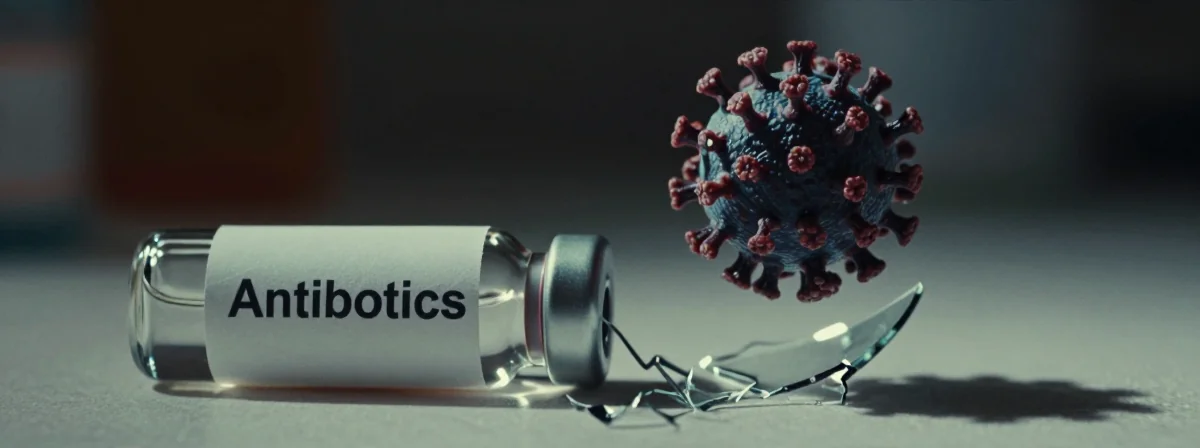
You’re hacking up a lung, feverish, and desperate. The doctor says it’s viral. You demand antibiotics. They say no. Why? Because you’ve fallen for one of medicine’s biggest myths — that antibiotics are a magic bullet for everything. They’re not. And the reason why is far more fascinating than any marketing campaign would have you believe.
Let’s cut through the jargon and look at what’s actually happening in your body.
Marketing vs. Reality
Bacteria Are Tiny Factories, Viruses Are Hijackers Bacteria are living organisms. They have their own machinery — cell walls, ribosomes, metabolic processes. They’re like tiny, self-sufficient factories churning out copies of themselves. Viruses, on the other hand, are just packets of genetic instructions (DNA or RNA) wrapped in protein. They’re the ultimate parasites — they can’t do anything on their own. They need to invade your cells and hijack their machinery to make more viruses. It’s like the difference between a fully equipped workshop and a blueprint that needs to steal tools from your workshop to build itself.
Antibiotics Target Bacteria’s Unique Weaknesses Antibiotics are like smart bombs designed for bacterial factories. They target structures or processes that bacteria have but humans don’t. Penicillins, for example, gum up the bacteria’s ability to build and maintain their cell walls. Without a sturdy wall, the bacteria literally fall apart — it’s like trying to build a house without nails. Other antibiotics target bacterial ribosomes (the protein-making machinery) or DNA replication enzymes. These are bacterial-specific targets. It’s like poisoning a rat by targeting something only rats have — maybe their specific type of digestive enzyme. It won’t hurt your cat, and it certainly won’t hurt your furniture.
Viruses Hide Inside Your Own Cells
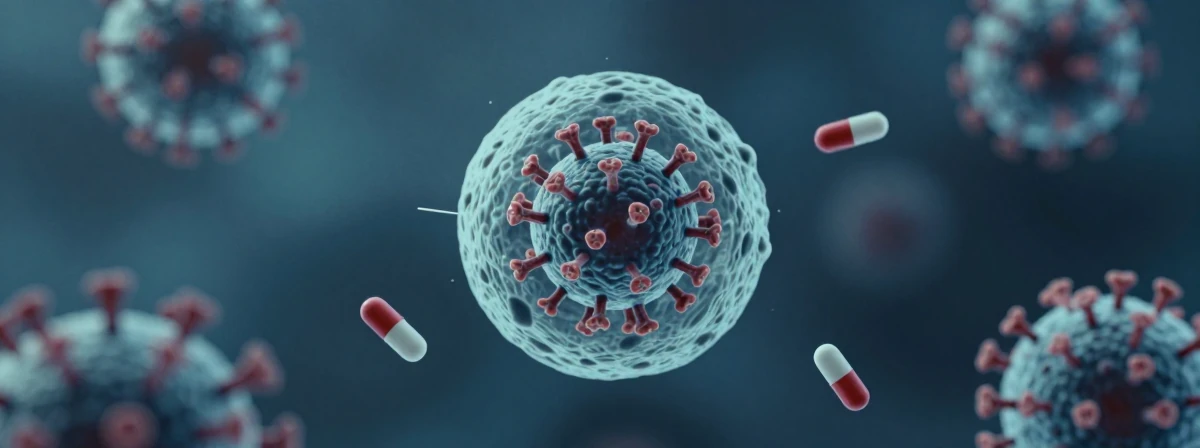
This is the kicker. Because viruses use your cells’ machinery to replicate, any drug that targets the virus while it’s inside your cell risks damaging your own cell. It’s like trying to kill a spy who’s blended in with your own troops without harming the troops themselves. It’s incredibly difficult. Antibiotics don’t have targets inside your cells because they’re designed to hit bacterial structures that aren’t there. It’s like trying to use the rat poison mentioned earlier to kill a bacterium — the target simply isn’t present.
Antivirals Exist, but They’re a Different Game There are antiviral drugs, but they work differently. They often target specific steps in the virus’s life cycle before or after it fully enters the cell. Some block the virus from attaching to your cells in the first place. Others, like acyclovir for herpes, are “prodrugs” — they’re inactive until a viral enzyme activates them, ensuring they only become toxic inside virus-infected cells. HIV medications are masterclasses in this, targeting unique viral enzymes like reverse transcriptase (which the virus uses to convert its RNA into DNA) or protease (which cuts viral proteins into functional pieces). These are highly specific attacks, not broad-spectrum wipes like many antibiotics.
Think Cephalosporins, Not Cure-alls While we often talk about “antibiotics” as a single category, it’s a vast arsenal with many specific weapons. Cephalosporins (like cefazolin, ceftriaxone — yes, the names are cool, but the point is the mechanism) work similarly to penicillins, targeting bacterial cell wall synthesis. Vancomycin works by binding to a different part of the cell wall-building process. Some bacteria become resistant by simply changing that target site — like changing the lock on a door so the key no longer fits. This is why doctors need to know which bacteria they’re fighting, or at least the likely suspects, to choose the right antibiotic. It’s not about throwing everything at the wall and seeing what sticks; it’s about targeted warfare.
It’s About the Target, Not the Bullet Ultimately, it boils down to this: antibiotics kill bacteria because they disrupt processes essential to bacteria but absent in humans. Viruses don’t have these separate, targetable structures when they’re inside our cells. You can’t “kill” a virus in the same way you kill a bacterium because, functionally, it’s not alive in the same sense and hides within you. It’s like the difference between stopping an invading army (bacteria) and disabling a virus-laden computer program running on your own machine (virus).
Bottom Line
Stop asking for antibiotics when you have a cold or the flu. You’re not just wasting time and resources; you’re contributing to the terrifying rise of antibiotic-resistant bacteria. The next time you’re sick, understand what you’re dealing with. Bacteria and viruses are fundamentally different worlds, and our tools to fight them must be too. The reality is far more complex and interesting than a simple “pill for every ill” narrative. Embrace that complexity — your health, and the health of everyone around you, depends on it.