
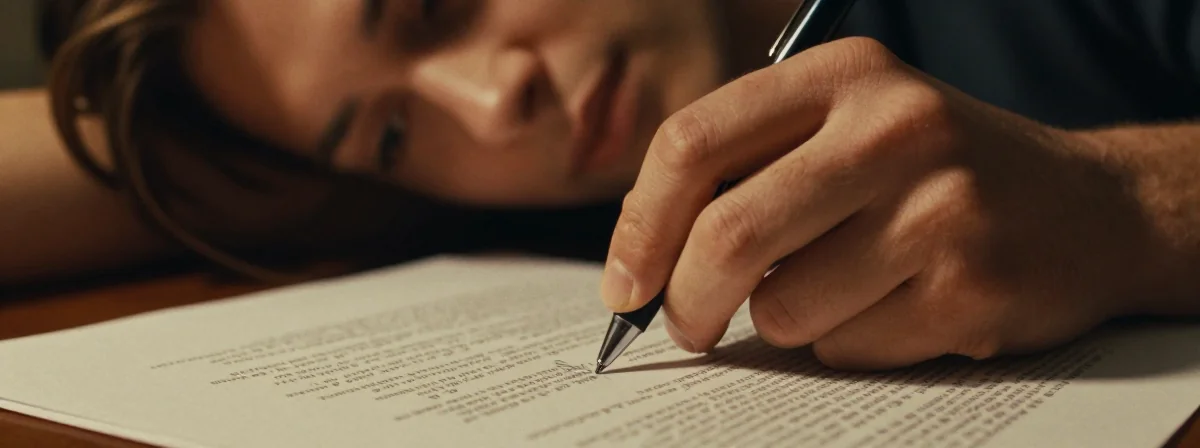
Ever stare at a document you just wrote, rereading it five times, only to have the typo you knew was there magically disappear? It’s like your brain’s playing a cruel game of hide-and-seek with your own words. The truth is, your brain isn’t lazy—it’s brilliant. But when it comes to proofreading, that brilliance turns into a superpower… for skipping errors.
The way you read is fundamentally different from how you write. When you’re composing, your brain is in “creation mode,” filling gaps with intention. But when you reread immediately, it defaults to “recognition mode,” seeing what it expects to see, not what’s actually there. This isn’t a flaw—it’s evolution’s shortcut. But for writers, it’s a nightmare.
Here’s how to outsmart your own brain and make proofreading feel like magic.
Why Does Your Brain “See” Words That Aren’t There?
Your brain doesn’t read letter by letter. It’s a pattern-matching machine, scanning for key markers and filling in the rest like a predictive text system on steroids. That’s why you can read the classic scrambled-letter example: “It deosn’t mttaer in waht oredr the ltteers in a wrod are, the olny iprmoetnt tihng is taht the frist and lsat ltteer be at the rghit pclae.” Your brain doesn’t care about the middle; it cares about the structure.
When you proofread right after writing, your brain still holds the “intended” version in short-term memory. It’s like trying to spot a typo in a mirror while you’re still looking at the original. No wonder errors vanish!
The Power of the “Break” — Why Time Is Your Superpower
Ever heard the advice to proofread after a break? It’s not just folklore—it’s neuroscience. When you step away, the “intention cache” in your brain fades. Suddenly, you’re not reading what you meant to write; you’re reading what’s actually on the page.
Think of it like this: Programmers often revisit their own code weeks later and think, “Who wrote this garbage?"—only to realize it was them. Time erases the mental shortcut, forcing your brain to engage fresh. Try it: Write something, walk away for an hour, and come back. Errors will leap off the page like they’ve been waiting for you.
Reading Backward: The Anti-Brain Trick
Your brain loves flow. It glides through sentences, assuming coherence. That’s why reading backward—sentence by sentence, starting from the end—works so well. When you reverse the natural order, you break the flow. Your brain can’t autopilot; it has to parse each word.
This isn’t just theory. Copy editors have used this trick for decades. It’s like flipping an artist’s drawing horizontally to spot mistakes—your brain no longer recognizes the familiar pattern and instead sees the raw details. Try reading your last sentence backward right now. Did an error you missed pop out?
Why Reading Aloud Makes You a Proofreading Machine
Silent reading lets your brain’s shortcuts run wild. But when you read aloud, you’re forcing a full sensory experience. Your brain can’t “fill in” a missing word when your ears and mouth are verifying each syllable.
This isn’t just about hearing; it’s about breaking the internal monologue. When you speak the words, you’re treating the text as data, not as a memory. That’s why even a single pass aloud can catch errors you missed in five silent readings.
The “Lazy Brain” Phenomenon — And How to Beat It
Your brain isn’t lazy; it’s optimized for efficiency. When you write, you’re in “creation mode,” but when you reread, you slip into “recognition mode.” This is why you’ll reread a typo and not see it—your brain is pulling from memory, not parsing the text.
The fix? Disrupt the pattern. Change environments, change the font, change the medium (print vs. digital). Even something as simple as changing the background color of your document can trick your brain into treating it as new information.
The Ultimate Proofreading Hack: Combine All Three
Want the best results? Use the full stack:
- Wait—Give your brain time to forget.
- Read backward—Break the flow.
- Read aloud—Engage multiple senses.
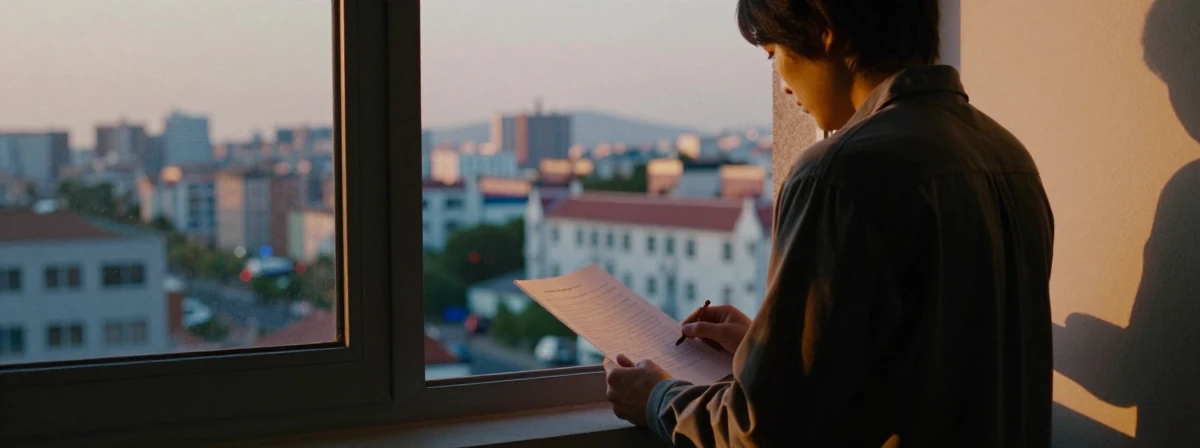
This isn’t just advice; it’s a system. When you combine these, you’re not just proofreading—you’re hacking your brain’s natural tendencies. Errors won’t hide; they’ll stand out like sore thumbs.
Proofreading Isn’t About Perfection—It’s About Clarity
At the end of the day, proofreading isn’t about catching every single typo. It’s about ensuring your message lands. Your brain’s shortcuts are there to help you communicate faster, but they can also sabotage your work. By understanding how your brain works, you can turn its superpowers back on themselves.
The next time you finish writing something, don’t just reread it. Hack your brain. Step away, read backward, and speak the words. You’ll wonder why you ever proofread any other way. Because when you outsmart your own mind, every word counts.