
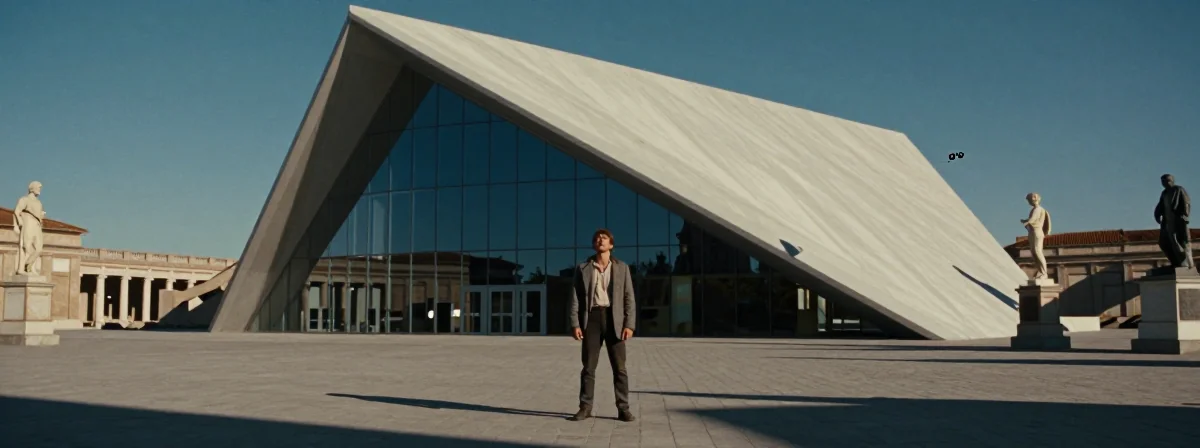
My grandmother taught me a hard lesson: some guardians aren’t protectors—they’re gatekeepers. She’d point to old family records, the ones with dates that shifted like sand, and say, “History isn’t written by the righteous. It’s written by the ones who survived to rewrite it.” Now, looking at the Department of Temporal Investigations, I see her words echoing louder than ever. They’re not keeping time safe—they’re making sure their time stays supreme. Here’s the truth they don’t want you to see.
This Changes Everything We Know
Time travel isn’t about fixing mistakes—it’s about enforcing winners.
Think the DoT is about preserving all timelines? Think again. They only care about the timeline that led to their existence. If Kirk altered history in the ’60s, that’s canon because it’s the timeline they operate in. But if a Romulan tries to change something tomorrow? Absolute chaos. They’re not historians—they’re the cosmic equivalent of history’s winners rewriting textbooks.You’re just a number in their ledger.
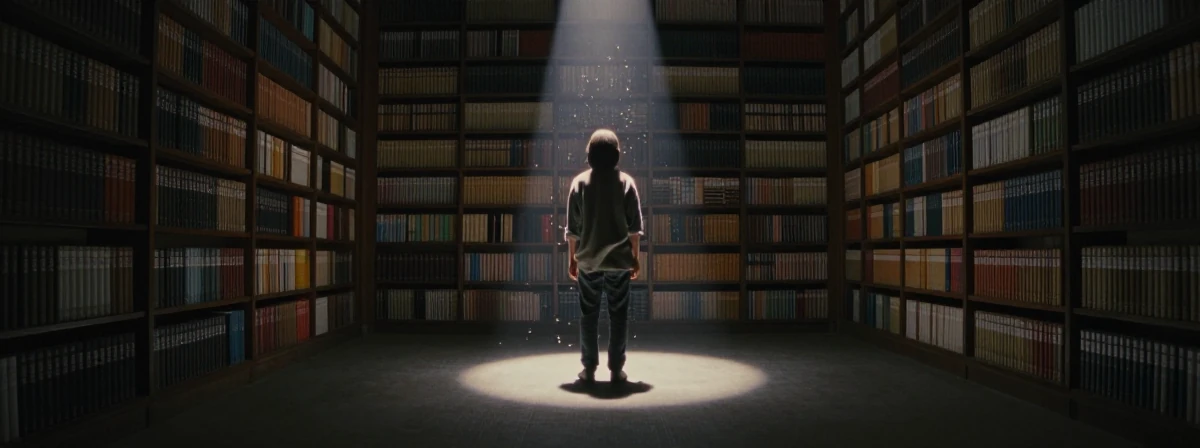
Remember Rasmussen? The “historian” stuck in the 22nd century? They never sent him back. Why? Because his absence didn’t matter. To them, you’re either a key player or a footnote. Most of us? Footnotes. They’d rather let you fade into obscurity than risk “fixing” a timeline that already works—for them.
Even their “bad timelines” are better than yours.
The Prime timeline had Eugenics Wars, World War III, and post-atomic horror. Yet people romanticize it. The goatee timeline? Not a timeline—it’s a separate universe. But guess what? Even that might be better than whatever mess you’re living in right now. The DoT’s version of “better” is terrifyingly subjective.They’re picky about who gets to stay.
Whales? Important enough for a temporal exception. Some random guy from the 20th century? “Here are the forms. Let’s get him enrolled in remedial vector calculus.” They don’t care about you—they care about the things that fit their future. Like library science majors who finally feel important after watching The Librarian movies.The Enterprise Captain exception is their biggest lie.

Nothing Kirk, Picard, or Archer did could be changed. Why? Because their actions were “best case scenarios.” Right. So every reckless decision, every timeline fracture—they’re untouchable. It’s not about logic; it’s about legacy. They’re saying, “What we did was perfect, and anyone who disagrees doesn’t exist.”
You’re not even a blip on their radar.
Imagine being told, “Yeah, you’re not important enough to fix the timeline. Just settle in.” That’s the DoT in a nutshell. They have all the time in the world—literally—but they’d rather let you languish than risk a paperwork backlog. Some time police.The future is for the forgotten.
If you end up in the future, you’re either teaching ten-year-olds or working in a warehouse. Free healthcare and laser guns sound great—until you realize you’re an NPC in their story. They don’t see you as a person; they see you as a variable that’s already been solved.
Decide for Yourself
They call it “temporal investigation,” but it’s really temporal enforcement. They’re not keeping time safe—they’re making sure their version of time wins. The next time you hear about time travel rules, remember: some guardians aren’t there to protect you. They’re there to make sure you don’t matter. Now ask yourself—what timeline are you really living in? And who gets to decide?