
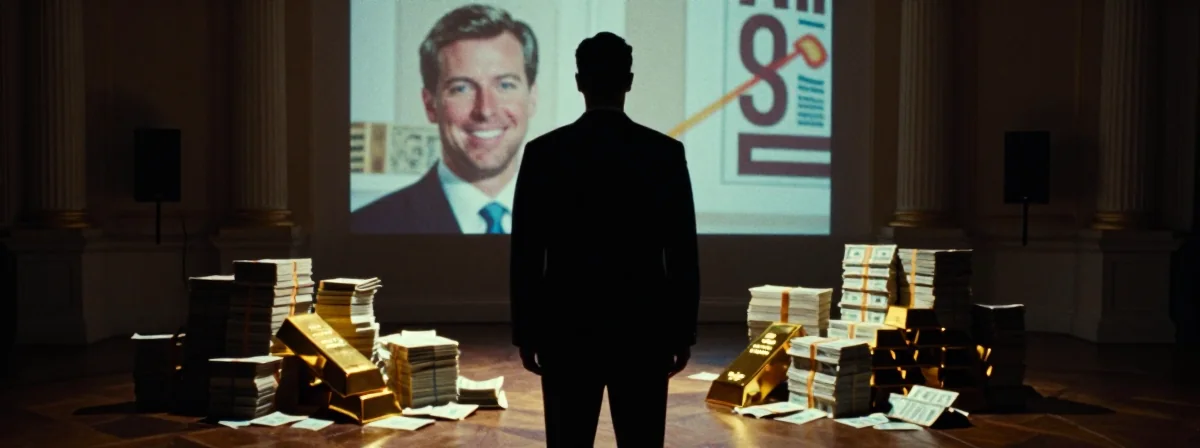
Politics can feel like this giant, confusing game, right? Like trying to follow a football match when you’ve never even seen a helmet before. We see the players on TV, hear the pundits shout, and get kinda lost in the noise. But sometimes, the real story isn’t in the loud debates or the dramatic headlines – it’s in the quiet conversations, the private jets, and the checks written in numbers most of us can’t even conceive of. Take JD Vance, for example. You know, the guy who wrote that book everyone either loved or hated, and now? He’s suddenly Very Important, like the cool kid who somehow got voted class president even though you’re pretty sure they just showed up once. But here’s the thing the commentators usually skip over while they’re busy analyzing his latest soundbite: a whole lot of this journey looks suspiciously like someone handed him the winning lottery ticket before the drawing even happened. And that someone? Often seems to be Peter Thiel.
Why Does This Billionaire Tech Guy Have a “Favorite” Politician?
Imagine this: You’re Peter Thiel, sitting pretty with more money than you could possibly spend in ten lifetimes. You’ve got ideas, big ones, about how the world should work, and let’s just say democracy isn’t exactly your jam. You’re looking for someone, anyone, who might actually be able to help make some of those ideas… tangible. Enter JD Vance. Fresh off publishing Hillbilly Elegy, a book that struck a chord (or rubbed people the wrong way, depending on who you ask), Vance was suddenly on the radar. Thiel saw potential. Not just any potential, but moldable potential. Like finding a rare gem in a ditch – you know it’s valuable, but it needs some serious polishing to reach its full… well, let’s call it utility.
Thiel didn’t just give Vance a nod. He invested. He became a mentor, a funder, a connector. Vance himself admits their relationship is close, even if he doesn’t exactly spell out the “I’ll give you money and connections if you push my agenda” part in polite company. It’s not exactly a secret handshake, more like the kind of relationship where one person pays for everything and the other person just… goes along. Think of it like being the designated driver, but instead of just not drinking, you’re also agreeing to sing all the karaoke songs your rich friend requests, even the really bad ones. Vance gets access, influence, and a path to power most politicians spend decades clawing for. Thiel gets… well, Thiel gets an asset. Someone who owes him, someone who will likely do what he’s asked. It’s less “bffs” and more “employee who got hired before the job was advertised.”
It’s Not Just About the Big Checks, It’s About the Whole Package
Sure, the direct cash flow is a big deal. Let’s be real, who wouldn’t want a piece of that? But the relationship between Thiel and Vance seems to run deeper, or at least wider, than just writing a check. Think about it: Thiel’s network is vast. He can introduce Vance to other influential people, fund his ventures (even if, let’s be honest, some of those ventures seemed about as necessary as a chocolate teapot), and basically open doors that would otherwise remain firmly shut and locked with multiple deadbolts.
There are whispers, and some reporting, that Vance’s career moves, even before politics, were often facilitated by Thiel’s influence. Remember his stint in venture capital? Some CEOs basically said, “Yeah, Peter Thiel said I owed him a favor, so I gave JD a spot.” It wasn’t necessarily about Vance’s qualifications; it was about returning a favor to the big boss. It’s like getting into an exclusive club not because you’re cool, but because your rich uncle is buddies with the bouncer. And let’s not forget Thiel’s influence on Vance’s personal life too – even his wife has ties to Thiel’s world. It’s not just a political sponsorship; it feels like a full-blown career and life sponsorship. The kind where you’re not just on the guest list, you’re wearing the host’s name tag.
Following the Script: When Personal Beliefs Take a Backseat
Here’s where it gets really interesting, and maybe a little uncomfortable. Vance has this whole narrative about his upbringing, his struggles, his conservative values. But time and time again, we see him championing positions or echoing talking points that seem to align suspiciously well with Thiel’s known preferences, even when they clash with the story he told in Hillbilly Elegy or his own past statements. It’s like he’s suddenly developed a deep passion for chess, and coincidentally, his benefactor is a notorious chess ranking fibber who loves talking about it. (Yes, really, apparently Thiel likes to boast about his chess skills. Priorities, people!)
This isn’t just about agreeing on a few issues. It’s about actively promoting viewpoints that seem designed to dismantle the very systems that, theoretically, helped Vance himself – things like social safety nets, government programs. It’s a bit like the kid who got a scholarship to an Ivy League school (which, by the way, some argue was facilitated by… wait for it… government programs and aid) now standing up and saying those programs are the root of all evil. The transactional nature is noticeable. Vance is openly courted for a presidential run. Why wouldn’t he stay loyal? The alternative – going back to being a “regular lawyer” – seems like trading a private jet for a bus pass. It would be like finding a winning lottery ticket and accidentally flushing it down the toilet. The incentives are just… massive. And let’s be honest, when the person writing your paycheck also gets to approve your script, you’re probably going to try and stick to the lines they like.
What Does Thiel Get Out of This, Besides a Feeling of Power?
Peter Thiel isn’t exactly your average billionaire philanthropist. His ideas are… let’s call them “distinct.” He’s got this vision, shared with folks like Curtis Yarvin (who writes about ending the United States as we know it and having a CEO of America – yes, really), of a world where tech elites and corporate power run things, and democracy is, well, optional. It’s a pretty radical departure from the whole “government by the people” thing. Thiel sees politics not just as a way to influence things, but as a tool. A tool for making more money (hello, tax avoidance and favorable regulations!), a tool for shaping society according to his specific, rather niche, worldview.
For someone with Thiel’s resources, trying to bend the world to his will isn’t just a hobby; it’s probably one of the few challenges left that actually feels… challenging. He can buy pretty much anything he wants. A fancy car? Check. A private island? Probably. Influence over the future direction of a country? Why not? If you’ve got a hundred billion dollars and you’ve already climbed Mount Everest, maybe trying to reshape the political landscape is the next summit. Vance, in this view, isn’t just an employee; he’s a chess piece. A valuable one, maybe even the queen, but ultimately there to advance Thiel’s game. Thiel doesn’t need to “micromanage” Vance like a boss; he just needs to ensure the big picture aligns. If there’s a disagreement, well, who do you think gets their way? It’s less like Lorne Michaels and the SNL lighting guy and more like the CEO and… well, the CEO.
So, What’s the Big Deal? It’s Just Politics, Right?
Okay, take a deep breath. This isn’t just some abstract political maneuvering happening in a vacuum. When we’re talking about relationships like this, where immense wealth directly funds and potentially directs political careers, we’re talking about the very foundations of how our society works. It raises uncomfortable questions about authenticity, about who really holds power, and about whether our political leaders are truly representing us or just the very, very rich people who put them where they are.
It’s easy to feel powerless, like we’re just spectators watching billionaires play chess with our future. But understanding these connections, these financial threads that tie people like Thiel and Vance together, is crucial. It helps us see beyond the polished speeches and the carefully crafted narratives. It reminds us that money talks, and when someone has enough of it, they can pretty much write the script. The next time you hear about JD Vance or any politician, maybe take a moment to wonder: who’s really holding the pen?
This whole Thiel-Vance situation isn’t just a weird political footnote; it’s a vivid, slightly unsettling illustration of how deep-pocketed individuals can shape the political landscape in ways most of us can barely imagine. It’s the story of a guy who went from struggling to someone incredibly influential, powered by connections and cash from a billionaire with some… let’s say, ambitious ideas about the future. And the punchline? For Vance, it looks less like a betrayal of his roots and more like a really, really good business decision. A dream scenario, if your dream involves getting paid insane amounts of money to stand there and read the script you were given. The real question isn’t just how this happened, but how many more scripts like this are being written behind closed doors, funded by fortunes we can’t even fathom. And that, my friends, is a question worth keeping in mind next time you cast a vote or listen to the news. It’s less about the players on the field, and more about who owns the stadium.