

Ever catch yourself mowing the lawn and suddenly feel like you’re playing a video game? Yeah, me too. There’s something strangely satisfying about turning a mundane chore into a strategic mission. But it turns out, there’s actual method to this madness—and it’s way more interesting than just getting the job done.
Let’s talk about the secret world of lawn mowing patterns. Forget what you think you know. This is about transforming your weekend chore into something that’s both practical and oddly profound.
Time to Level Up
The Konami Code Connection
Up, Up, Down, Down, Left, Right, Left, Right, B, A, Start. Sound familiar? For years, I swear I was practicing this code every time I mowed—up and down, side to side, diagonal runs, then finishing with a flourish. It wasn’t until later I realized: the pros do this on purpose. They rotate patterns to keep the grass from getting “trained” in one direction. My stepdad, a landscaping veteran, used to make me follow this exact rotation. Turns out, it wasn’t just about fun—it was about lawn health.Reverse Engineering the Stripes
Ever notice those perfect stripes on golf courses or fancy lawns? It’s not magic. It’s physics. Full-width rollers on professional mowers bend the grass blades down as you move. Sunlight hits the bent blades at different angles, creating light and dark stripes. The pros switch directions every week to prevent soil compaction from wheel paths—and to keep those stripes looking fresh. Try it: mow north-south one week, east-west the next. Your lawn will thank you.
- Mowing Like a Pro (Without the Pro Tools)
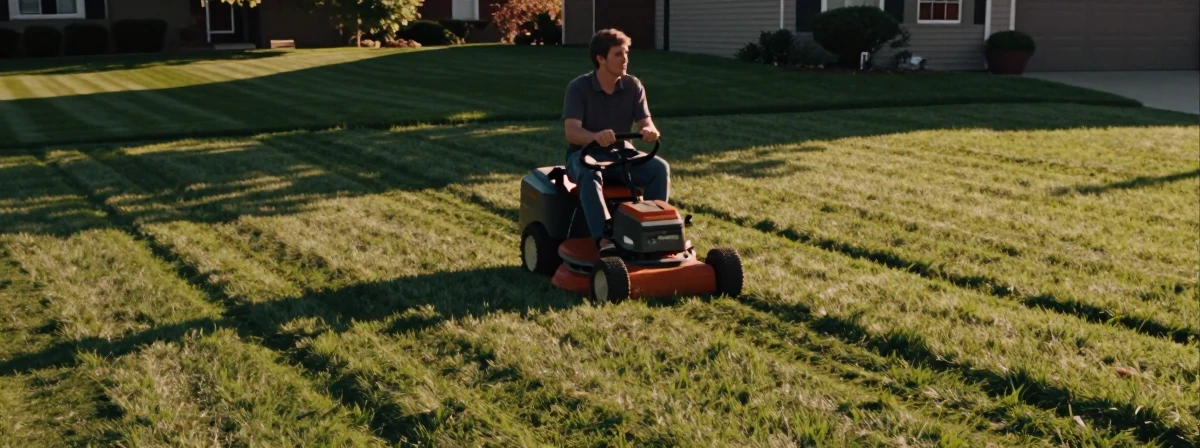
You don’t need a fancy mower to get results. I’m just a suburban “shlub,” but I rotate patterns like a pro. Up-down, left-right, diagonal—repeat. The key? Always mow over the “bright” lines (the lines you mowed away from) to keep the grass consistently folded in the same direction. It sounds nerdy, but the lines look so good a few days later, it’s worth it. And yes, sometimes I get lost in the patterns and draw random lines over my spiral. Lawn nerds might judge, but I don’t care.
- The Rut You Didn’t Know You Were Making
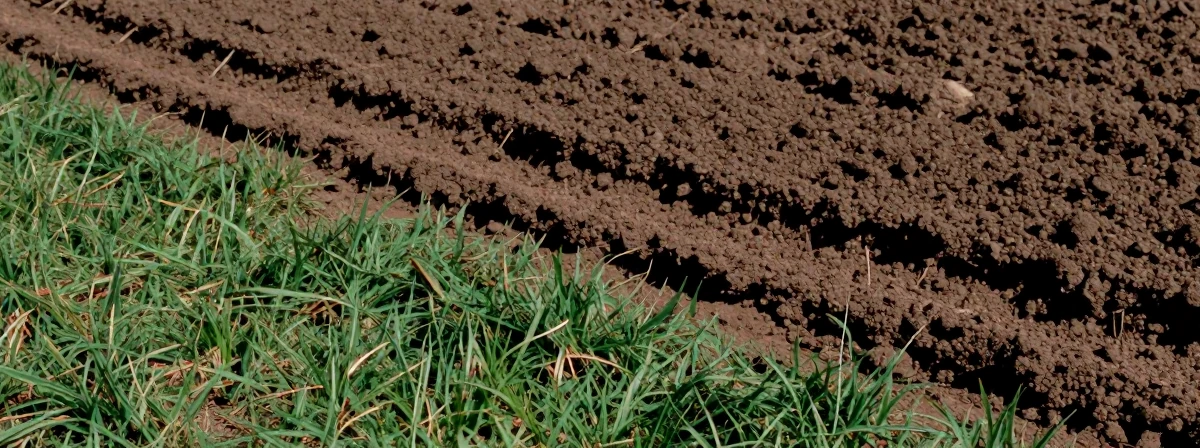
Even lightweight hand mowers create ruts if you take the same path every week. Pros switch it up to avoid compacting the soil in one spot. Think of it like a dance—change your steps to keep the floor smooth. If your lawn is oddly shaped, mix it up even more. Go around the edges, across the middle, then pop back to get missed spots. It’s chaos, but it works. And hey, sometimes circles are just more fun.
The Health Benefits of Variety
It’s not just about looks. Mowing in different directions actually promotes healthier grass. When you always mow the same way, wheel paths can compact the soil, leading to uneven growth. By rotating, you distribute the pressure and encourage stronger root systems. Some lawns tolerate same-pattern mowing better (maybe due to soil type), but why risk it? Give your grass a workout—change the routine every week.The Gradient Experiment
Here’s a fun one: I once had lower air pressure in the right-side tires of my mower. The result? A beautiful gradient from light green to tan as the grass folded differently. It looked accidental, but it was a happy accident. Experiment with your mower—adjust the deck, change speeds. You might discover a new pattern you love.Beyond the Lawn: A Metaphor for Life
Why do we get so hung up on routines? Whether it’s mowing, workouts, or work habits, we often stick to the same patterns out of habit. But just like rotating mowing directions prevents ruts in the lawn, shaking up your routines prevents ruts in life. Try something new—take a different route to work, learn a new skill, swap your morning ritual. The grass might not grow better, but you just might.
Your Turn
So next time you fire up the mower, think of it as more than just a chore. It’s a chance to be strategic, creative, and even a little bit rebellious. Mix up your patterns, experiment with angles, and watch your lawn transform. And maybe, just maybe, you’ll find yourself humming the Konami code as you go. Because why not? Life’s too short for boring lawns—and boring routines.