

You know that feeling when the economy starts looking like a sinking ship, and suddenly the news starts talking about the Fed “printing money” like it’s no big deal? Yeah, it’s weird. But here’s the thing: it’s not just some wild conspiracy theory—it’s a real tool, and understanding it might just make you feel a little less lost next time it happens.
So like…
When “Printing Money” Isn’t Just a Fancy Term
It’s not your grandma’s printing press. When people say “printing money,” they’re usually talking about quantitative easing (QE), which is when a central bank like the Federal Reserve creates new money to buy stuff—mostly government bonds. It’s not literally cranking out Benjamins in a basement; it’s more like giving banks a digital cash infusion. The goal? To get more money flowing so businesses and people feel comfortable borrowing and spending again. Think of it as adding more chairs to the economic musical chairs game when everyone’s about to get eliminated.
The money doesn’t go straight to politicians. A lot of folks assume the government just gets a blank check to spend willy-nilly, but that’s not how it works. The new money goes to the banks that hold government bonds—essentially paying off those bonds early. Now the banks have cash on hand to lend out, not some politician’s slush fund. It’s more like a bailout for the system, not a handout to the administration.
It’s the Fed’s backup plan when interest rates hit zero. Normally, the Fed lowers interest rates to encourage borrowing. But what happens when rates are already near zero? That’s when QE comes into play. By injecting money directly into the banking system, the Fed can keep things moving without relying on rate cuts. It’s like switching from a lever to a backup button when the main controls fail.
- Imagine your parents buying your bad loan. Here’s a simple analogy: Say you loaned your friend $50k, and now you’re worried you’ll never see it back. Your wealthy parents (the Fed) step in, buy the loan from you, and now they’re the ones waiting for your friend to pay up. You get $50k in cash to do whatever you want, and your parents can sit on the loan because it’s just a drop in their bucket. The banks get the same relief when the Fed buys their assets—now they can lend that cash out instead of stressing about bad investments.

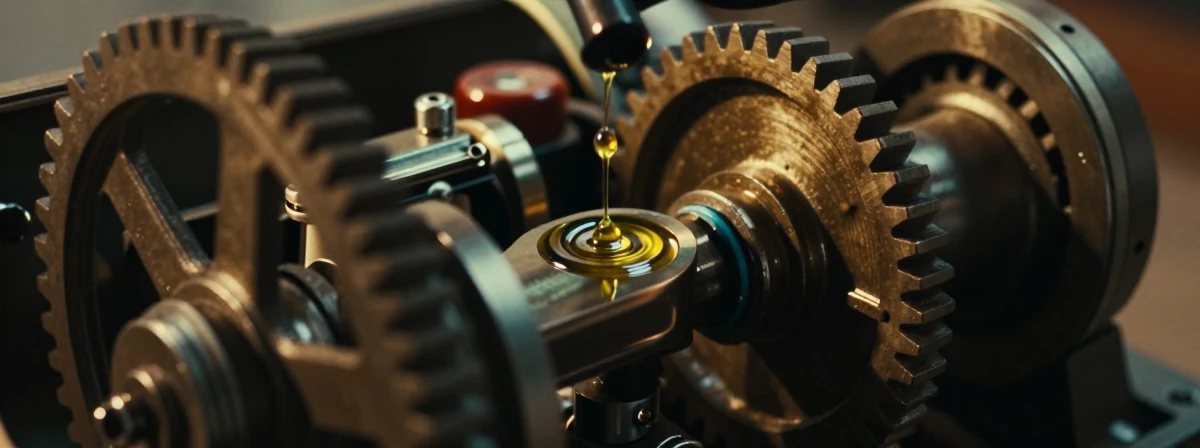
- It’s like adding oil to a rusty engine. Sometimes the economy just needs a little nudge to keep things running smoothly. QE is the Fed’s way of making sure banks have enough cash for daily operations—like making sure there’s enough liquidity so transactions don’t grind to a halt. If banks run low on cash, they can’t lend, and the whole system slows down. QE throws some extra cash into the mix to keep the gears turning.
It’s not the same as negative interest rates. Some people wonder why the Fed doesn’t just use negative interest rates instead. The big difference? With QE, the Fed can actually buy up risky assets from banks, taking some of that bad debt off their hands. Negative rates just encourage lending but don’t solve the problem of banks holding toxic assets. It’s like the difference between giving someone a clean slate (QE) versus just telling them to keep trying (negative rates).
Inflation is the price we pay. Here’s the catch: when you create more money, it eventually leads to inflation. That’s basically how the system balances out—more money chasing the same amount of goods means prices go up. Think of it like a hidden tax on cash holdings. But in a crisis, a little inflation might be worth it to keep the economy from completely freezing up.
It’s not a magic wand, but it helps. QE isn’t going to fix everything overnight, and it definitely has its critics. Some say it just props up big banks while regular folks see little benefit. Others worry it encourages risky behavior since companies know the government might step in if things go south. But at its core, it’s a tool to prevent a total economic meltdown when traditional methods fail. It’s not perfect, but sometimes it’s the least bad option on the table.
Peace
Next time you hear about the Fed “printing money,” you’ll know it’s not some wild scheme—it’s a carefully calculated move to keep the economy from stalling. It’s like giving the system a breather when it’s gasping for air. And while it’s not a cure-all, it’s one of the few tools central banks have when the going gets tough. So yeah, maybe it’s not the most glamorous solution, but in a pinch, a little “money printer go brrr” can be just what the doctor ordered.