
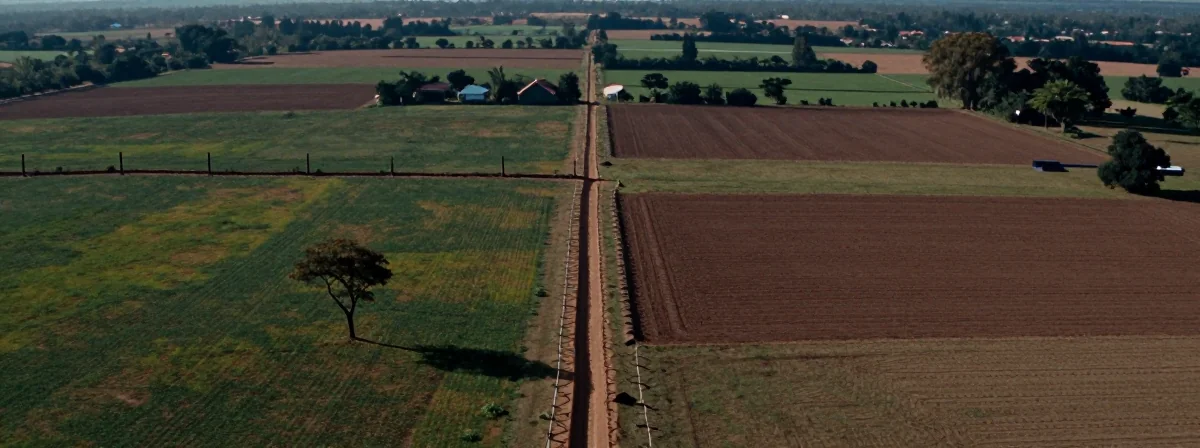
Some maps look like they were drawn with a ruler. Perfect lines cutting through land and lives. But those borders weren’t accidents. They were choices—choices made by people who never imagined the futures they created. Let’s talk about what happens when power draws lines without thinking about the people on the other side.
Take Action
France and Britain Didn’t Imagine Independent Nations—Just Stable Colonies
The Sykes-Picot Agreement wasn’t about creating countries. It was about dividing influence. They wanted resources flowing back home, with just enough stability to keep things profitable. The idea that “Iraq” might one day govern itself? Unthinkable. The goal was control, not consequence.
Colonialism wasn’t about nations—it was about extraction.After the Land Was Gone, the Great Game Continued
By the early 20th century, there wasn’t much new territory left to claim. So colonial powers shifted to the next best thing: making their existing colonies stronger—stronger for them, that is. More resources, better infrastructure for military use, tighter control. It was all about winning the next war, because everyone knew another one was coming.
The end of expansion didn’t mean the end of empire—it just changed the game.“Civilizing” Was a Rhetorical Smokescreen, Not a Blueprint
Teaching locals to read or converting them to Christianity? That was useful for control, not for genuine development. The British didn’t build schools in India because they cared about education—they did it because an educated elite was easier to govern. The goal was never self-sufficiency, just compliance.Mandates Were Supposed to Be Training Wheels—Not Just More Chains
The League of Nations mandate system sounded noble on paper. Help these territories develop institutions, then hand over power. In practice? It was colonialism by another name. Iraq got independence in 1930, but only after decades of British influence. The “help” was always on the colonizer’s terms.Post-WWI Borders Were Scars, Not Borders
Pre-WWI borders were messy, organic things—countries that evolved over centuries. Post-WWI borders were lines drawn by victors, cutting through ethnic groups, resources, and histories. The Greeks invaded Anatolia in 1919 because the British allowed it. The Turkish Republic emerged from that chaos. To the victor, the spoils—and the right to redraw the map.No Empire Leaves Without a Body Count
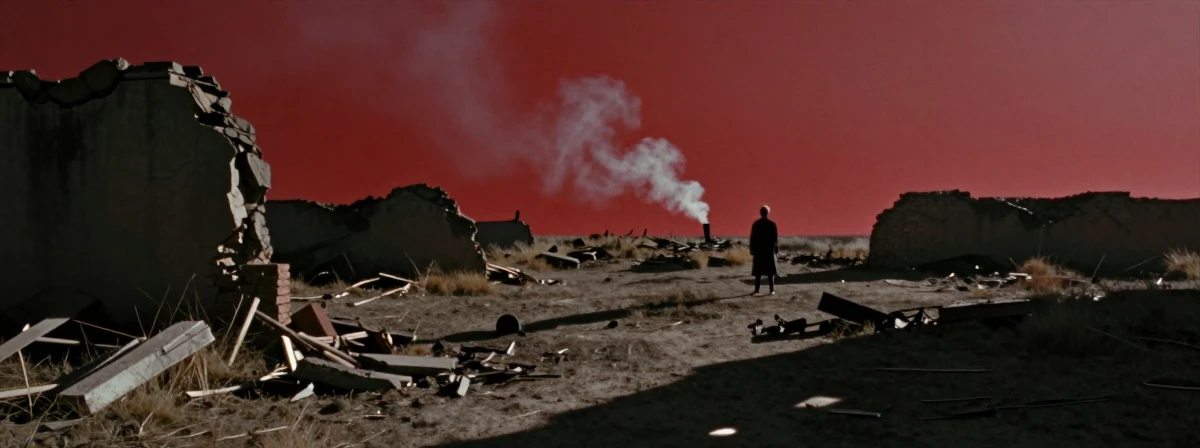
When the Ottoman Empire collapsed, millions died. An estimated 5 to 5.5 million Muslims were killed, and another 5 million became refugees. The Circassians, Armenians, and others—all victims of empires breaking apart. Modern Turkey is shaped by those who survived, not by those who perished.
Every border is a story of who stayed and who left.
Germany’s Punishment Was Lighter Than Turkey’s Impunity
After WWI, Germany lost territory but kept regions with German majorities. Austria survived as a rump state. Turkey? It kept land promised to Armenia and Kurdistan, facing no consequences for the Armenian Genocide. The double standard isn’t subtle.
Some genocides are remembered, others are just history.All Empires Are Built on Stolen Land—But Some Are Still Stealing
“All land is stolen if you go back far enough,” some say. True—but some empires ended, and others are still expanding. The hypocrisy isn’t in the past; it’s in the present. The rules changed for everyone except those who still believe in conquest.
Go Get It
The straight lines on the map aren’t just geography—they’re the legacy of power unchecked. They’re the consequences of decisions made without empathy, without foresight. And they’re still shaping our world today. The next time you see a map, don’t just see borders. See the choices, the violence, the unfinished stories behind them. Because until we understand that history, we’ll keep repeating its mistakes.