
Ever tried to share a fascinating fact, only to have it vanish into the void? I had a TIL about Catherine the Great ready to post — solid history, nothing controversial — when I hit a wall. The word “Russian” was banned in titles. Banned. Like, what? It felt like trying to talk about Italian art and being told “no pasta allowed.”
This wasn’t just an odd rule; it was a glimpse into how easily knowledge gets twisted, how quickly context disappears when someone pulls the plug. Let’s talk about the bizarre, often frustrating, world of information control — and why it matters more than you think.
The Narrative
When History Gets Censored
Imagine wanting to share that the 1977 Russian Flu pandemic might have been caused by a Soviet lab leak during a vaccine trial. Sounds like perfect TIL material, right? Wrong. “Russian” and “Soviet” were both on the no-fly list. My carefully crafted post became a garbled mess: “A 1977 Eastern European wave of disease caused by a lab mistake during a medical trial.” Clear as mud. It’s like trying to describe a painting using only the word “color.”The Downwinders’ Whisper

We talk about Chernobyl, but how often do we hear about the Downwinders? Thousands of Americans living near Nevada’s nuclear test sites, their bodies quietly tallying the cost decades later. John Wayne filming Ghengis Khan in that irradiated desert — blaming his cancer on cigarettes when the real culprit was fallout in the sand. Radiation doesn’t care about national borders, yet our rules often do.
- Pandemic Panic, Vaccine Vanishing Acts
Want to discuss the 1918 flu? Tough luck if “pandemic” is on the blacklist. Mention smallpox vaccinations? Better find another word. It’s like having a history book where every mention of disease is blacked out. The excuse? “Too political.” But history isn’t political — it’s the raw data we need to understand our present. When we ban the words, we ban the lessons.
- Chernobyl vs. Mayak: The Unfair Comparison
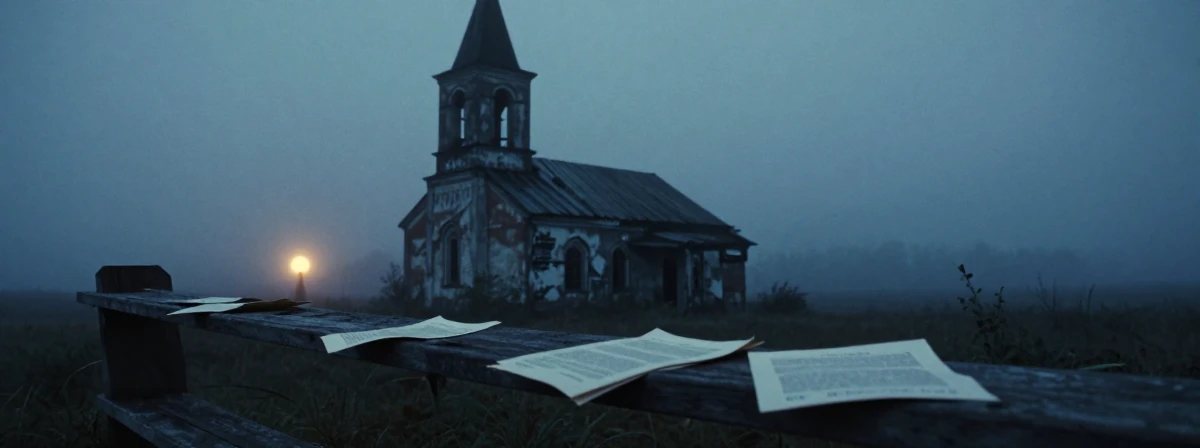
We hear about Pripyat, the ghost town, but few know about Mayak. The Kyshtym disaster in Russia released radiation far beyond Chernobyl’s reach — entire villages evacuated years later, bodies failing from exposure that wasn’t even officially documented for decades. Yet somehow, Fukushima gets more press. It’s not about the disaster; it’s about whose disaster gets told.
The Mod’s Dilemma (Or Excuse?)
“Too much trolling,” they say. “Too many hot takes.” So they nuke the topic instead of moderating. It’s like burning the library because someone might whisper a naughty word. The result? People like me put effort into posts, only to see them vanish without explanation. The rules are secret, the deletions silent — a perfect recipe for frustration and silence.Eastern Europe, or Just… Nothing?
Someone suggested using “Eastern European literature” instead of “Russian literature.” It’s like calling the Mona Lisa “a Renaissance portrait” — technically true, but you’ve lost the soul. Why dance around the truth? Is it really that dangerous to say “Russia”? Or is it just easier to pretend it doesn’t exist?The Fallout Continues
From abandoned Soviet nuclear devices to the Navajo Nation’s fight against uranium mining, the story is always the same: power ignores the consequences, and the rest of us pay the price. Yet we can’t even talk about it. The words get banned, the history gets buried, and we’re left with a world that feels less real, less understood.
What We Learned
The real horror isn’t the banned words; it’s the quiet erasure of context. When we let someone decide which facts are “too dangerous” to share, we lose more than information — we lose empathy, connection, and the ability to learn from our mistakes. The next time you see a fact vanish, remember: it’s not just a word that died. It’s a story, a warning, a piece of us that’s now lost to the void. And that should terrify you.