I’ve spent years digging into the hidden mechanics of the music industry, and what I’ve found will blow your mind. For decades, artists have been signing away their souls—literally—handing over control of their own work to labels who treat them like commodities. But then Taylor Swift came along and exposed a legal loophole so massive, it’s rewriting the entire game. And the best part? It’s not just about her. It’s about every artist who’s ever felt powerless.
The truth is, most people don’t realize that when they stream a song, they’re not just listening to music—they’re participating in a system where the artist may not even own their own work. Labels own the masters, the original recordings, and that means they control everything: how the music is sold, who gets paid, and even who gets credit. But Swift didn’t just accept that. She found a way to take it back.
What if I told you that artists can legally re-record their own songs after a certain period—and claim ownership of the new versions? It’s a rule buried in copyright law, and Swift exploited it to the fullest. Here’s how she did it, and why it’s the biggest power move in music history.
Why Did Taylor Swift Re-Record Her Albums in the First Place?
Most fans think Swift’s re-recordings are just a way to make more money. But that’s missing the point entirely. This isn’t about cash—it’s about control. When Swift’s former label, Big Machine, sold her masters to Scooter Braun’s company, she was cut out of her own legacy. That’s when she decided: enough.
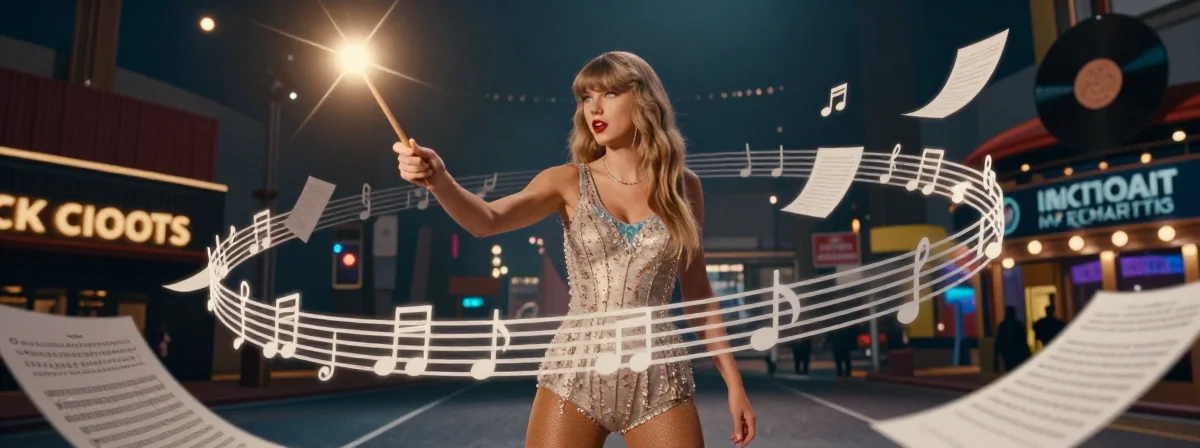
She didn’t just complain. She took action. By re-recording her first six albums, she created “Taylor’s Version” of her work—versions she legally owns. It’s like the scene in Men in Black where the alien gets assimilated into someone’s body, but in reverse. She’s taking back what was hers all along.
And it’s not just a symbolic gesture. These re-recorded albums have become massive hits, proving that fans will support artists who fight for their rights. It’s a message to labels: you can’t own us forever.
Prince Did It Too—But He Didn’t Have Social Media on His Side
Before Swift, Prince was one of the few who dared to challenge the system. He changed his name to an unpronounceable symbol as a protest against Warner Brothers, who owned his birth name and treated him like a product. He wanted control over his music, his name, and his masters.
But here’s the difference: Prince did it in the 90s. Without social media, his message got lost in the noise. People thought he was just being weird. If he were around today, he’d have an army of fans rallying behind him, demanding change. Swift learned from his fight—and won.
Why Isn’t Every Artist Doing This? The Hidden Barriers
You might wonder: if this loophole exists, why aren’t more artists re-recording their work? The answer is complicated.
First, contracts vary. Some artists gave up their rights permanently in their deals. Others have to wait years before they can re-record. And let’s be real: re-recording an entire album is expensive and time-consuming. Without Swift’s resources, most artists can’t afford to do it.
But the real issue is risk. What if the re-recording doesn’t sell? What if fans stick with the original? Swift succeeded because she has one of the most loyal fanbases in history. Most artists don’t have that luxury.
That’s why her fight isn’t just about her—it’s about showing others that it can be done.
The Flower Power Move: More Than Just a Gesture
Here’s something few people talk about: Kelly Clarkson’s role in this. Clarkson, who also had to fight for her masters, suggested Swift send flowers to the label executives as a form of protest. And Swift did—thousands of dollars’ worth, knowing one of them was deathly allergic.
It’s not just a cute story. It’s a strategic move. By making the label’s own people uncomfortable, Swift was sending a message: we’re not just taking back our music—we’re making your system unbearable.
And it worked. The label eventually backed down, proving that even the biggest corporations can be intimidated when an artist fights back.
What This Means for the Future of Music
The music industry is built on control. Labels want to own everything: the masters, the publishing, the merch, even the artist’s name. But Swift’s re-recordings are exposing that control is an illusion.
Already, other artists are taking note. Jojo re-recorded her albums in 2018, but didn’t get the same attention. Now, with Swift paving the way, more artists may follow. Labels are already changing contracts to make it harder—extending waiting periods, adding clauses that restrict re-recordings.
But they’re too late. The cat’s out of the bag. Fans now know that they can support artists who fight for their rights, and labels can’t ignore that.
The Single Idea That Changes Everything
Here’s the truth that the music industry doesn’t want you to hear: the artist’s work is not theirs to take. When you stream a song, you’re not just enjoying art—you’re participating in a system of ownership that’s long overdue for a revolution.
Swift didn’t just re-record her albums. She redefined what it means to be an artist in the modern era. She showed that with enough courage and creativity, you can take back what’s yours. And that’s a lesson every artist—and every fan—should take to heart.