
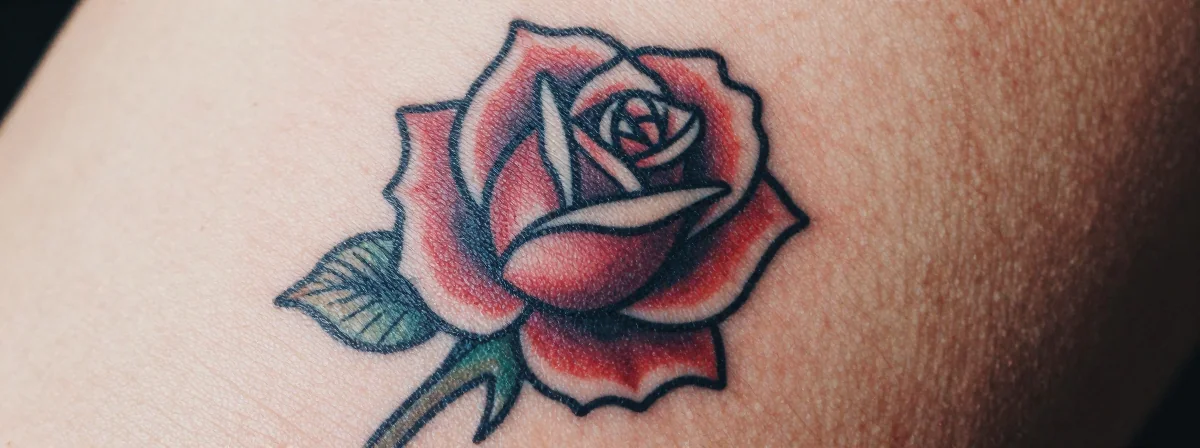
Getting a tattoo feels permanent, but have you ever stopped to wonder how that ink stays under your skin for decades? It’s not magic—it’s biology. Here’s the real story behind what happens when you get inked, stripped of the hype and explained plainly.
Spec Check
Tattoos Aren’t in the Skin’s Shedding Layer
Your skin has two main layers: the outer epidermis (which sheds constantly) and the deeper dermis (which doesn’t). Tattoo needles deposit ink into the dermis, which is why your art doesn’t fade away like a marker drawing on skin. If the ink were in the top layer, it would vanish as your skin renews itself every few weeks. Instead, it’s stuck in the layer that lasts a lifetime.Your Immune System Tries—and Fails—to Remove Ink

When ink enters your skin, your body treats it like an invader. White blood cells rush to the scene, trying to engulf and break down the particles. But tattoo ink is too large to be fully digested. So the cells trap the ink instead, holding it in place—essentially giving up on removal and settling for containment.
New Immune Cells Keep the Ink Trapped
Your body constantly produces new immune cells, and these replacements continue the task of holding onto the ink. It’s like a never-ending game of musical chairs where the ink is the prize no one can claim. Over decades, as cells die and regenerate, the ink slowly disperses, which is why tattoos fade but rarely disappear entirely.Lasers Break the Ink into Manageable Pieces
Tattoo removal lasers work by shattering the ink into smaller fragments. Once broken down, your immune system can finally do its job and clear the particles away. Without lasers, the ink particles are too large for your body to process—hence why tattoos are stubbornly permanent.Temporary Tattoos Actually Exist (And It’s Kinda Brilliant)
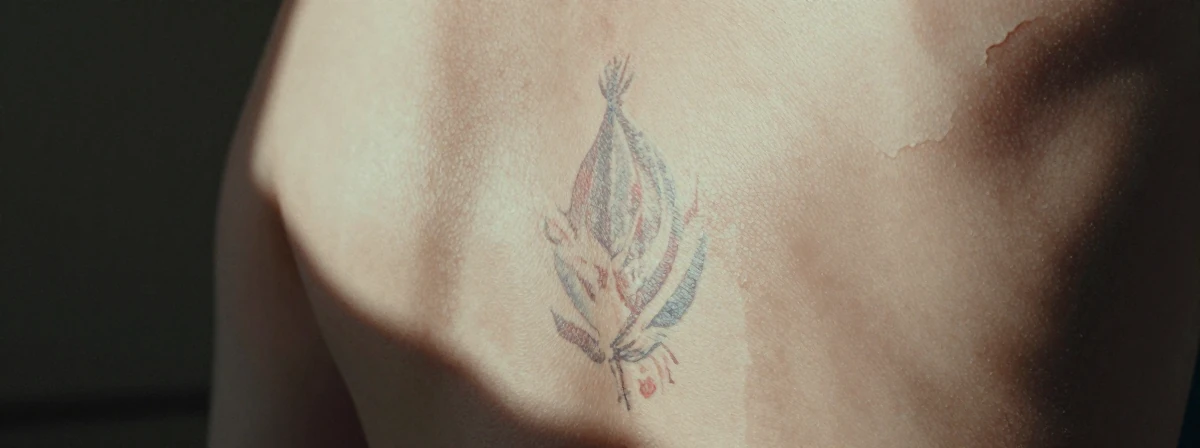
If you’ve ever wondered about long-lived temporary tattoos, they do exist. Ephemeral Tattoos use ink that your body can gradually break down over months. It’s like a tattoo with an expiration date—proof that with the right chemistry, even permanence can be temporary.
- Even “Permanent” Tattoos Fade Over Time
Tattoos aren’t truly permanent in the absolute sense. UV exposure and your immune system’s slow work will eventually dull the colors. That’s why touch-ups are a thing. Think of it as a very slow erasure—something that takes decades to notice but is happening nonetheless.
Real-World Reality
The next time you look at a tattoo, remember it’s a delicate balance between biology and art. Your body is constantly trying to erase it, but the ink fights back by being just out of reach. It’s a silent war under your skin—one that’s why your favorite tattoo will likely outlast you, even as it slowly fades.