

You thought cooking kills all the bad stuff, right? Wrong. The next time you get that sudden wave of nausea after a meal, it might not be the live bacteria at fault. It could be their ghost. The dead bodies and chemical remnants left behind can still make you just as sick. This isn’t scaremongering—it’s the cold, hard truth about what happens when food goes bad. Let’s break down the science behind the stomach ache.
The Case Against the Official Story
- “Food poisoning” is a misleading term. The medical field doesn’t use it. When you rush to the ER, they call it “foodborne illness”—and there are two distinct types. Intoxication is when you ingest toxins (poisons) from dead bacteria. Infection is when live bacteria multiply inside you. The symptoms, causes, and timelines are completely different. Think of it like this: intoxication is a drive-by shooting by toxins; infection is a full-blown invasion by living organisms.
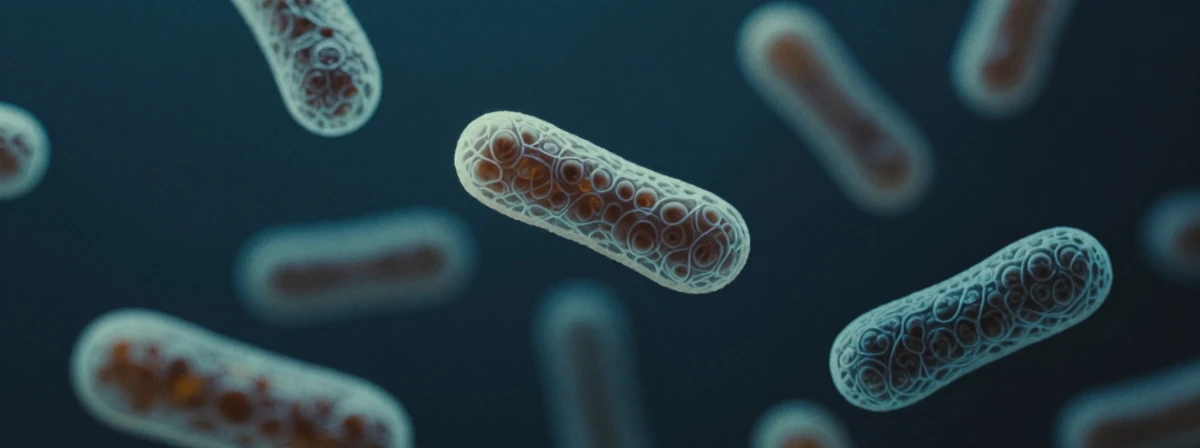
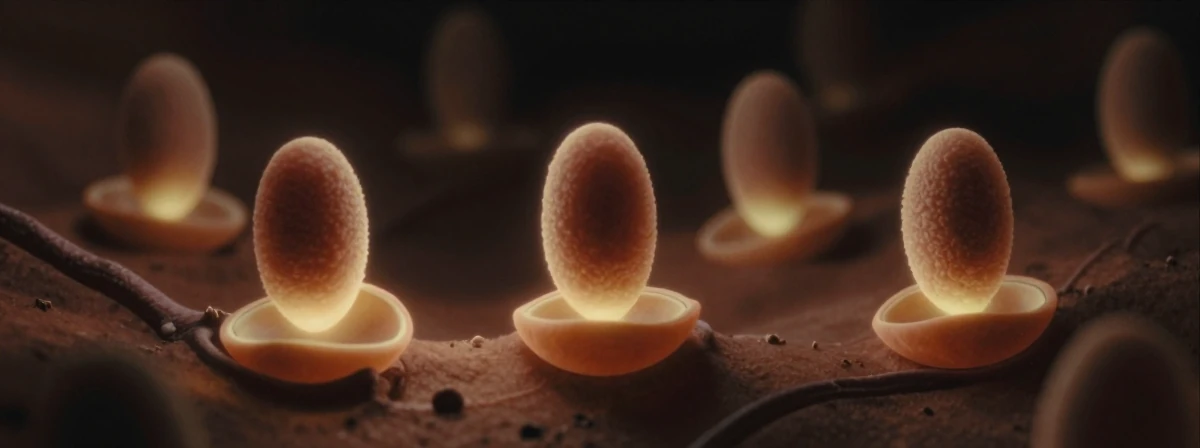
- Some toxins are bulletproof. Heat can kill bacteria, but it can’t always destroy their toxins. Botulism toxin, for example, is so resilient it can survive boiling. And some bacteria form endospores—like tiny armored shells—that protect them from heat, chemicals, and even radiation. Cook all you want; those spores might just wait for your warm, cozy gut to hatch. They’re the cockroaches of the microbial world.
Hand sanitizer is half the battle. It kills many germs on contact, but it doesn’t rinse away the dead cells and chemical residues. Think of it like this: hand sanitizer is the executioner, but washing with soap and water is the cleanup crew. The dead bacteria and their byproducts still need to be physically removed. Don’t skip the soap—especially after handling raw meat or moldy food.
Cooking spoiled food is playing with fire. You might think a quick reheat will save that leftover chicken or that questionable soup. But if bacteria have already produced toxins, cooking won’t help. You’re just heating a bacteria soup—full of dead organisms and their chemical waste. Some toxins are heat-stable, meaning they won’t break down no matter how hot you get them. It’s like trying to cook away bleach; it just doesn’t work.
Not all mold is the enemy. While some molds produce deadly toxins (like aflatoxin in improperly stored grains), others are intentionally used in food production. Blue cheese, for instance, gets its signature flavor from Penicillium roqueforti. The key difference? Controlled conditions. When mold grows wild on bread or fruit, it’s often accompanied by unknown bacteria and other molds. But in a cheese factory, it’s a single, cultivated species in a sterile environment. The wild vs. cultivated rule applies here, too.
The Verdict
The next time you feel that familiar rumble in your stomach, consider this: it might be a ghost from your last meal. The bacteria may be dead, but their chemical legacy lives on. Food safety isn’t just about killing the living threats—it’s about neutralizing the dead ones, too. So wash your hands thoroughly, trust your nose when food smells off, and remember: some poisons don’t need live carriers to cause chaos. The kitchen is a battlefield, and knowing your enemies—both living and dead—is the first step to winning the war.