
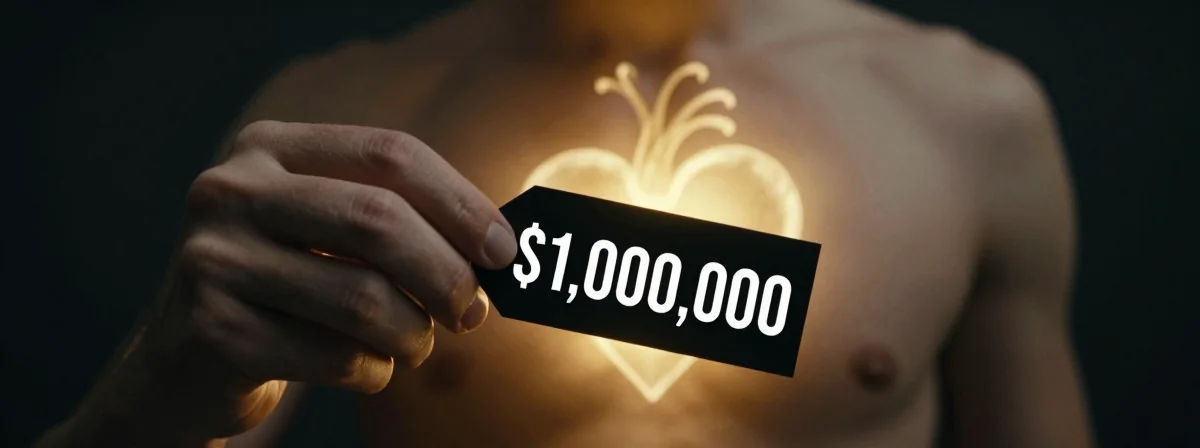
There is a quiet kind of bravery that exists in the moments we refuse to be bought. It is the bravery of looking at a mountain of gold and deciding that the price of admission is too high. For Kesha, that moment of decision wasn’t a battle of volume or a public spectacle of rage. It was a quiet, calculated surrender of a paycheck. She walked away from millions of dollars, not to spite a villain, but to protect her own soul.
We often talk about success as a ladder, but sometimes, climbing that ladder requires you to step over people who have hurt you. In the high-stakes world of the music industry, where a single hit can define a decade, the pressure to compromise is immense. Yet, there is a specific kind of freedom that comes from saying “no” to the money, even when the contract says “yes.”
The Quiet Act of Refusing a Paycheck
Imagine being handed a golden ticket to the future, a contract that promises fame, fortune, and a legacy. Now imagine that ticket is stained with the fingerprints of someone you despise. That is the position many artists find themselves in. The label doesn’t just want a singer; they want a vessel for a specific sound, a specific writer, and a specific vision.
When an artist like Kesha is told, “Sing this song, and the writer is Dr. Luke,” the choice is rarely a simple one. It is a trap. Refusing the song might mean the label shelves the entire album, burying your voice before it has a chance to be heard. You are caught between a rock and a hard place: starve your art or collaborate with your abuser.
This is where the concept of integrity becomes a weapon. It is not a soft, fluffy concept found in self-help books; it is a sharp, defensive tool. By refusing to take a writing credit, Kesha didn’t just change a legal document. She drew a line in the sand. She told the world, “I will do the work, but I will not profit from the man who broke me.”
When a Contract Becomes a Cage
We tend to romanticize contracts. We see them as necessary paperwork, the glue that holds society together. But in the hands of a powerful corporation, a contract can feel less like an agreement and more like a shackle. The discussion around Kesha’s situation highlights a harsh truth about the music business: the machinery is often more important than the artist.
If an artist refuses to record a track written by a specific producer, the threat is always the same. The album gets shelved. The promotion stops. The career is suffocated. It is a classic case of leverage. The artist has the talent, but the label has the distribution. Without the label, the talent is invisible.
This is why Kelly Clarkson’s recent comments about losing money and a writer’s credit resonate so deeply. It is a painful reality check for anyone trying to make it in a competitive field. When you are young and hungry, you will often trade your future peace of mind for today’s paycheck. You will agree to things that make you uncomfortable, hoping that one day, you will have enough power to say “no.”
The $1 Million Lesson on Personal Reputation
There is a cynical perspective that suggests Kesha’s move was foolish. If she didn’t take the credit, Dr. Luke got a bigger slice of the pie. He got richer, more powerful, and seemingly, unbothered by her absence. From a strictly financial standpoint, the move looks like a loss.
However, the math of the soul is different from the math of the bank account. When you allow your name to be associated with someone who has harmed you, you are slowly eroding your own reputation. You become complicit, even if you are singing the words.
By refusing the credit, Kesha preserved her own narrative. She ensured that her legacy would not be tied to the toxicity of her abuser. She chose to be remembered as the survivor who fought back, rather than the artist who sang a hit song for her tormentor. In the long run, a clean conscience is a currency that no one can take away from you.
Why “Praying” Was More Than Just a Song
We often look at songs as entertainment, but sometimes, a song is an act of therapy. Kesha’s “Praying” was never just a pop anthem; it was a scream into the void. It was a public declaration of her suffering and her refusal to be silenced.
The raw emotion in that track is a testament to the power of reclaiming one’s story. It connects with people on a primal level because it is honest. It validates the struggle of those who have been forced to compromise their morals for a living. When you listen to it, you aren’t just hearing a melody; you are hearing the sound of a cage door being kicked open.
It is a reminder that our art reflects our truth. If we allow ourselves to be silenced by contracts and fear, our art becomes hollow. But if we find the strength to speak, even when it costs us millions, our art becomes a monument to our resilience.
The Uncomfortable Truth About Integrity
We live in a culture that rewards compromise. We are taught that being “flexible” is a virtue and that holding onto your principles is “rigid” or “naive.” We see people in high places who have sold their souls and wonder why they seem so unhappy.
The truth is, integrity is the only thing that truly sets you free. It is the heavy armor you wear when the world tries to crush you. It is the reason you can sleep at night, even when the headlines are ugly.
The next time you face a difficult decision—a job offer that feels wrong, a partnership that drains you, a situation where you are asked to look the other way—remember the story of Kesha. Remember that there is a price to pay for your principles, and sometimes, that price is high. But the alternative, a life lived in the shadow of compromise, is far more expensive than any paycheck.