
Some people walk into a room and instantly make everyone feel seen. It’s not about grand gestures or loud declarations—it’s the quiet consistency of who they are. You don’t learn this from self-help books; you learn it from watching how people actually behave when no one’s looking.
These are the subtle signals that reveal what someone’s made of, long before they ever tell you who they are.
Beauty and Brains
They make the new person feel like they’ve known you forever.
There’s a certain art to breaking someone into a group. It’s not about fawning over them—it’s about genuinely welcoming them into the rhythm of your world. The people who do this naturally? They understand that connection isn’t about status; it’s about making someone feel they belong before they even know how to ask. They see the awkwardness and meet it with effortless camaraderie. It’s a skill, really—like making someone feel comfortable in their own skin, even when they’re trying too hard.They pick up trash that isn’t theirs.
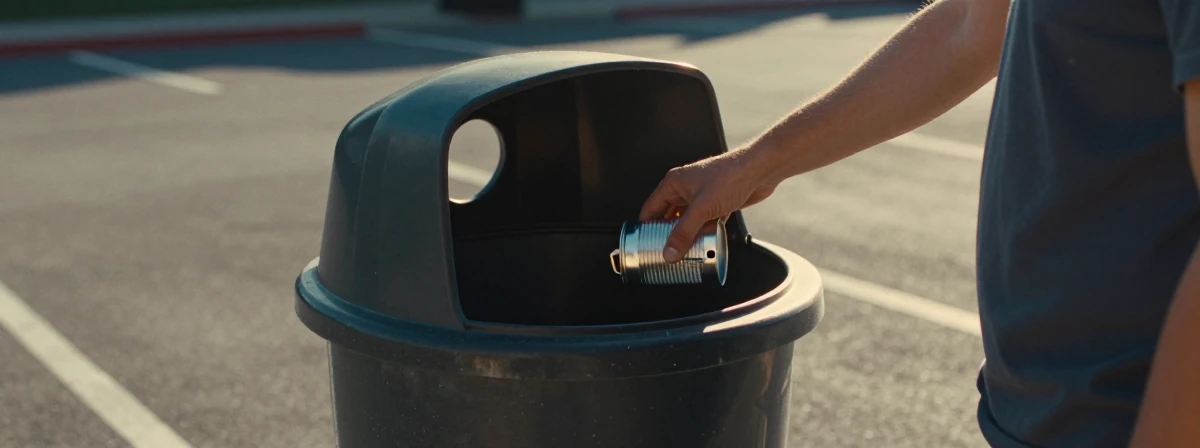
Whether it’s a loose screw in a parking lot or a can someone carelessly tossed, these small acts say something profound. It’s not about being perfect—it’s about noticing the little things that need doing, even when no one’s watching. They do the right thing because it’s the right thing, not because they want praise. That quiet integrity? That’s what makes you pause.
They treat service staff with the same respect they give everyone else.
The test isn’t how they treat the CEO—it’s how they treat the barista who forgets their name for the third time. Blunt honesty with integrity is way better than fake politeness. But here’s the counterintuitive part: even when they’re curt, if it’s honest and not dismissive, it’s often more respectable than someone who’s overly solicitous to your face but cuts corners behind your back.Their pets seem to sense their character.
Dogs might be terrible judges of character—or maybe they’re just brutally honest. My friend’s dog hated everyone who wore hats on their first meeting. It was hilarious until we realized—hats were the only consistent variable. Cats, though? They require consent to be petted. They’ll walk away from someone who doesn’t respect their boundaries. If a cat approaches someone despite their allergies? That’s a sign of pure, unfiltered trust.They stand up for people even when it doesn’t benefit them.

This isn’t about grandstanding in public—it’s the quiet defense of someone being mistreated in a meeting, the refusal to participate in gossip, the insistence on fairness when no one else cares. They don’t need an audience for their integrity. They’ll defend someone they don’t even like if that person is being wronged. That’s not just good character; it’s the kind of strength that makes you wonder how they stay so grounded.
They admit mistakes without excuses.
Even to children. If you make a mistake and say “I’m sorry, I was wrong” to a kid—and mean it—you’ve just demonstrated something rare. It’s not about being perfect; it’s about owning your fallibility. The people who do this? They understand that vulnerability isn’t weakness; it’s the foundation of trust. They don’t need to save face because they know who they are.They remember the small things you mentioned in passing.
Not birthdays or anniversaries—those are easy. I’m talking about remembering that thing with your landlord, or asking about your uncle’s surgery three weeks later. They’re not just waiting for their turn to talk; they’re actually listening. It’s like they have a mental highlighter for what matters to you. That kind of attention? It’s the digital equivalent of a perfectly designed interface—seamless, intuitive, and deeply personal.They don’t gossip—or shut it down immediately.
In a world where sharing someone else’s business is considered social currency, the people who reject gossip are like rare artifacts. They don’t need to tear others down to build themselves up. When someone starts spreading rumors, they either change the subject or politely shut it down. It’s not about being holier-than-thou; it’s about respecting boundaries. That quiet refusal to participate? That’s a superpower.They return shopping carts—even when no one’s watching.
Yes, in Europe it’s often about the deposit. But in places where there’s no incentive? The people who still do it? They understand that responsibility isn’t about rules; it’s about consideration. It’s a small act that reveals a larger pattern of behavior. They don’t need external rewards to do the right thing. They have their own internal operating system.They include everyone—even when it’s inconvenient.
The idea of someone being left out bothers them. They don’t want to make people feel excluded at work, at parties, anywhere. It’s not about being politically correct; it’s about genuine empathy. They see the person standing alone and find a way to pull them in. That instinct? It’s the difference between a group and a community.They can argue without making it personal.
Disagreement isn’t about winning—it’s about understanding. They’ll debate the point without attacking the person. They can say “I disagree with your conclusion” without saying “You’re an idiot.” In a world where every conversation is a battle, this is like finding a perfectly balanced piece of technology—functional, elegant, and deeply human.They show up when you’re at your lowest.
There’s no sign for this quality. You don’t learn it until you’re at your absolute lowest point and they’re still there. That’s when you realize what matters. It’s not about being there for the highlights; it’s about being there for the shadows. They don’t need a reason to help—they just do. That’s the difference between people who perform kindness and people who live it.They reject performative virtue.
They may not bend over backwards to display how good they are, but you begin to notice how consistently they show up for others. Their selflessness isn’t a feature; it’s their operating system. They don’t need a spotlight to do the right thing. They don’t need to tell you who they are—they just are.They treat vulnerable people with dignity.
Watch how they treat children, animals, the elderly, service staff. Especially those they don’t need to impress. The people who are only nice to those they envy or lust for? Their true colors show when no rewards are attached. Real character isn’t about who you’re with; it’s about who you are when you’re alone.They don’t need to tell you they’re good people.
They just are. Their behavior isn’t a performance; it’s their natural state. They don’t need a checklist of good deeds; they just consistently show up as their best selves. In a world where authenticity is rare, this is the ultimate design—seamless, intuitive, and perfectly human. You don’t learn this from observing; you learn it from living.