

Back in the 90s, we had our share of apocalyptic fantasies, but nothing quite like the modern obsession with watching privileged kids descend into chaos. You know the drill: drop a bunch of influencers on an island and wait for the meltdown. It’s the digital-age version of Lord of the Flies, and somehow, we can’t get enough of it.
The truth is, we’re still wrestling with the same questions we were 70 years ago. Why do some stories about human nature feel timeless? And why do we keep getting them wrong?
What the Experts Know
Alpha males don’t survive—they just die faster.
I remember when “alpha male” influencers were the big thing. Back in the 90s, we called them “assholes with microphones.” Drop them on an island, and you won’t get a survival story—you’ll get a Darwin Award waiting to happen. The real survivors are the quiet ones, the ones who know how to share a fire. Full stop.Lord of the Flies wasn’t about kids—it was about adults.
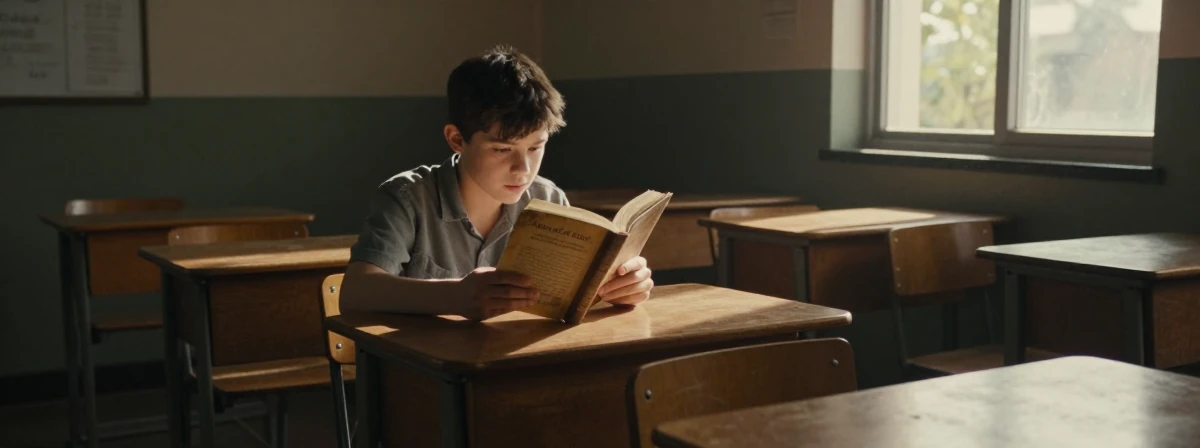
I remember when I first read it in high school. Everyone thought it was about savage children. It wasn’t until years later that I realized it was a critique of the adults who created the world those kids were escaping. The book came out right after WWII, when people were still romanticizing colonial adventure stories. Golding was basically saying: “No, your perfect British schoolboys would still find a way to ruin everything.”
- The first unironic “Chat, are we cooked?” is the moment it gets real.
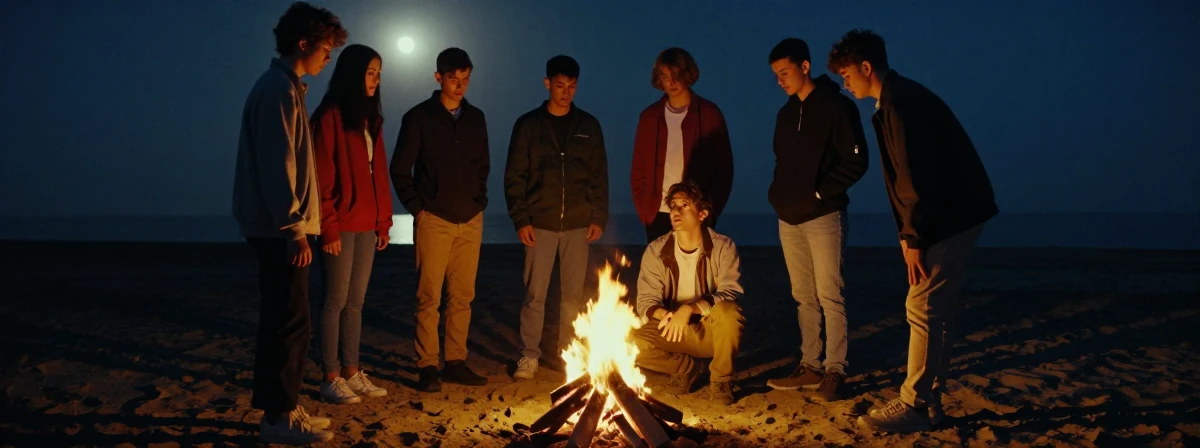
Some people say that’s when they’d walk out. I say that’s when you grab more popcorn. Because that’s the moment the satire clicks. It’s not about whether they survive—it’s about whether they realize they’re the problem. Back in the 90s, we had our own version of this with reality TV. We just called it “trainwrecks we can’t look away from.”
Survival isn’t about strength—it’s about cooperation.
I’ve seen enough survival stories to know this: the people who last aren’t the ones who can punch the hardest. They’re the ones who can share a match. Even in the Andes flight disaster, when they resorted to the unthinkable, they never once killed each other for food. They knew the only way out was together. It’s a lesson we keep forgetting.Satire outlives its target because we keep reinventing the same mistakes.
Lord of the Flies, Romeo and Juliet, Grease—these aren’t just stories. They’re warnings we keep ignoring. Romeo wasn’t a romantic hero; he was a flighty kid who fell in love with the first girl who’d sleep with him. Juliet wasn’t a tragic heroine; she was a naive teenager caught in a stupid feud. The tragedy wasn’t their love—it was the world that made it deadly. And we keep building that world all over again.We’re not as bad as we think—but the few bad ones will always try to ruin it.
Look at the Tongan boys who survived on an island for 15 months. They weren’t little savages—they were teenagers who knew how to fish, forage, and wait. They had an 18-year-old leading them, not a bunch of 8-year-olds screaming at each other. The difference? Experience. And maybe a little bit of decency. Because at the end of the day, most of us are just trying to get by. It’s the ones who want to rule the roost who cause all the trouble.The real horror isn’t the kids—it’s the system that made them.
If you’re still waiting for the corpses to pile up when influencers get stranded, you’re missing the point. The real horror isn’t the kids; it’s the world that taught them self-promotion is the only talent that matters. Golding wasn’t just writing about kids—he was writing about a society that valued hierarchy over humanity. And we’re still living in that society. The island is just a mirror.
We keep retelling these stories because we keep needing to hear the same lesson: civilization is fragile, and it’s up to us to keep it together. The kids on the island aren’t the problem—they’re the symptom. And until we fix the disease, we’ll keep watching the fever dreams.