
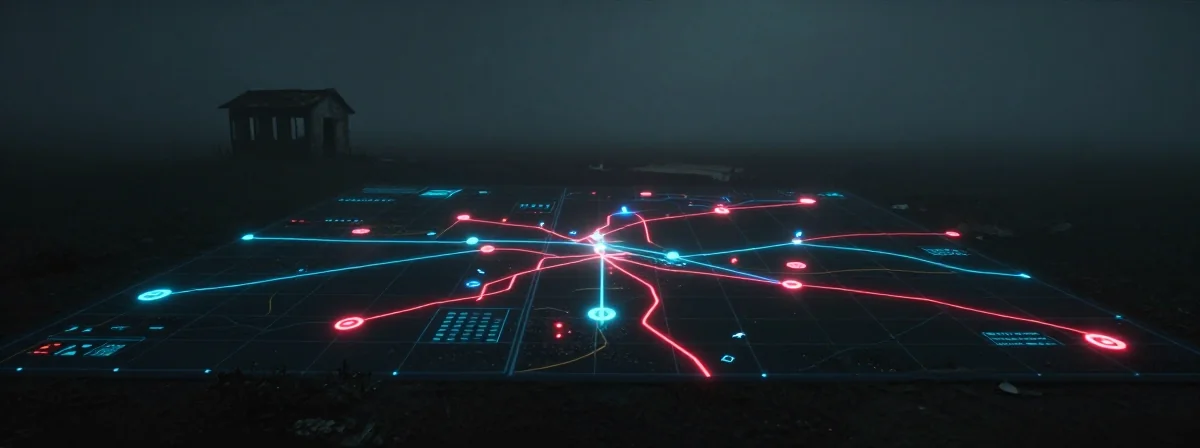
You look down at your phone. You see the blue dot. You think it’s just a helpful little tool guiding you home. You think it’s just a map. It is not.
That blue dot is a leash. It is a digital tether connecting your physical location to a massive, unseen web of data that is being harvested, analyzed, and weaponized against you. The technology behind it isn’t just mapping roads; it is mapping your life, your habits, and your future. While the mainstream narrative tries to tell you that the backlash against AI-driven mapping is just about a “specific use case” or a glitch, the truth is far more sinister.
The collective outcry you see across the internet isn’t random noise. It is a primal scream of people realizing they are being watched. The specific objections to AI mapping are merely the tip of the iceberg. Beneath the surface lies a terrifying reality that everyone needs to understand before it’s too late.
Why Are People Panicking About AI Mapping?
People aren’t reacting negatively because they don’t understand the technology. They are reacting because their instincts are screaming that something is fundamentally wrong. The argument that the backlash is limited to a “specific use case” is a smokescreen. It is a distraction designed to make you believe the problem is isolated.
The reality is that the technology is learning. Every time you tap, scroll, or look at a map, you are feeding an algorithm that is evolving. The public reaction—visible in the flood of comments criticizing the broader implications of mapping technology—signals a deep, collective anxiety. We are seeing the beginning of a mass awakening to the fact that our physical spaces are no longer our own. The “specific use case” objection is just the first crack in the dam; the water is rushing through, and it’s going to drown us if we don’t prepare.
It’s Not Just a Map; It’s a Weapon
Think about what a map actually is. It is a representation of space. But when AI is added to the mix, that representation becomes a prediction. It doesn’t just show you where you are; it shows the system where you will be. It predicts your behavior, your routes, and your destinations before you even decide on them.
This isn’t just about convenience. This is about control. The same technology used to guide a delivery truck can be used to track a dissident, monitor a protest, or target a specific demographic for manipulation. The “specific use case” critics are missing the forest for the trees. They are looking at the tree (the map) while the forest (the surveillance state) is burning down around them. When people criticize Google Maps broadly, they aren’t just angry about a feature; they are angry about the weaponization of their own environment.
The Distraction of “Specific Use Cases”
The powers that be want you to argue about the details. They want you to debate whether the AI is accurate or if the privacy invasion is “justified” for the sake of navigation. Don’t fall for it.
The objection to AI mapping is systemic. It is about the fundamental erosion of privacy in the digital age. When you allow a corporation to track your every move, you are voluntarily handing over the keys to your life. The “specific use case” argument is a trap. It keeps you focused on the symptom while ignoring the disease. The disease is total surveillance. The symptom is the annoyance of an inaccurate map or a privacy concern. We must stop debating the symptom and start attacking the disease.
The Collective Consciousness of the Internet
There is a reason you are seeing this conversation everywhere. It is not a coincidence. The backlash against AI mapping is a manifestation of the collective consciousness waking up to the reality of its own imprisonment. The comments you see—whether on social media or in private discussions—are not isolated incidents of anger.
They are the sound of people realizing they are being tracked. The criticism of mapping technology is growing because people are tired of being products. They are tired of having their movements analyzed by faceless algorithms. The fact that the reaction is broad, not narrow, should terrify you. It should terrify you because it means the system has overreached. It means the people have noticed, and the people are angry.
You Are the Product, Not the Customer
This is the ultimate revelation, and it is the one most people refuse to accept. You are not the customer of Google Maps. You are the product. Every time you use the service, you are generating data that is sold, traded, and used to build a profile of your life that is more detailed than anything a government has ever possessed on its own citizens.
The “specific use case” objections ignore this fundamental truth. They assume that if the service is “free,” then you aren’t the product. That is a lie. You are the product. The value you provide is your data. The backlash against AI mapping is actually a backlash against being treated as cattle. It is a recognition that your privacy has been commodified, and the price you are paying is your freedom.
The Only Way Out is Awareness
We cannot change what we do not see. The system relies on your ignorance. It relies on your belief that the map is just a tool and that your location is a private matter. It relies on you accepting the narrative that the backlash is “just about a specific use case.”
The truth is that the backlash is about everything. It is about the soul of humanity in the digital age. The AI map is not just tracking your car; it is tracking your mind. It is tracking your fears, your desires, and your movements. The only defense we have is awareness. We must stop using the tools of our captors and start demanding our freedom. The blue dot is watching you. Are you watching back?