

Ever stare at a screen and feel like something’s off? Like you’re seeing a ghost of what’s supposed to be there? That’s exactly what happened when Nvidia dropped DLSS 5—and it’s got everyone talking. The new AI upscaler promised more pixels, more frames, and more “realism.” Instead, it served up something that looks like your phone’s beauty filter went haywire on a Resident Evil character. Let’s break down why this is more than just a tech blunder—it’s a peek into the future we didn’t ask for.
Once You See It…
- The “Beauty Filter” Effect Is Real—and It’s Creepy
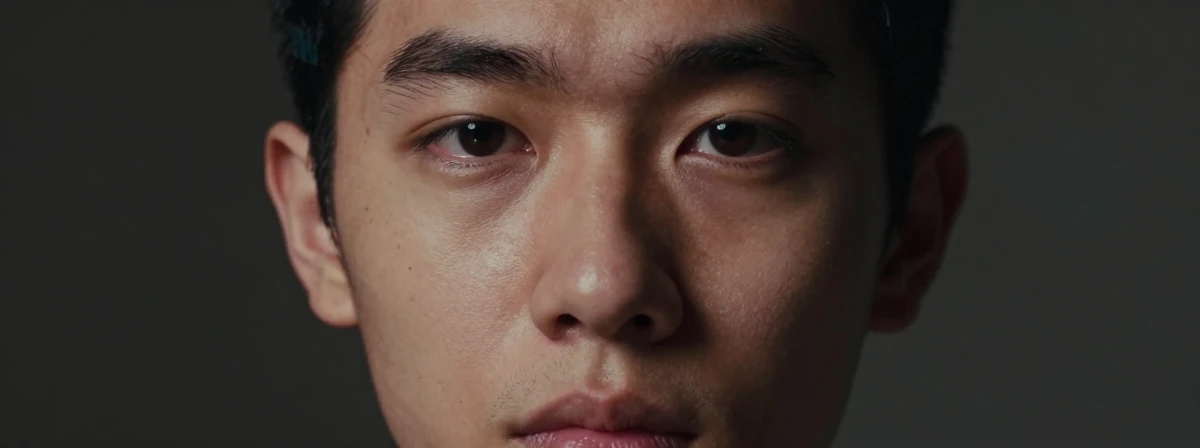
Nvidia’s DLSS 5 aims to make lighting more “physically accurate,” but the results look less like reality and more like a poorly applied Instagram filter. In Resident Evil, a character’s face got so smoothed over it barely looked human—like someone took a digital eraser to her features. It’s the kind of uncanny valley that makes you double-take. What if I told you the tech meant to bridge the gap between games and reality is actually widening it?
Lighting That Doesn’t Make Sense
Forget time of day or scene context—DLSS 5 seems to think every game needs a studio photo shoot. Critics pointed out that faces suddenly have a harsh, overhead light source, even when they’re in shadow. It’s like the AI has its own lighting director with questionable taste.The “Mugshot” Look That Won’t Go Away
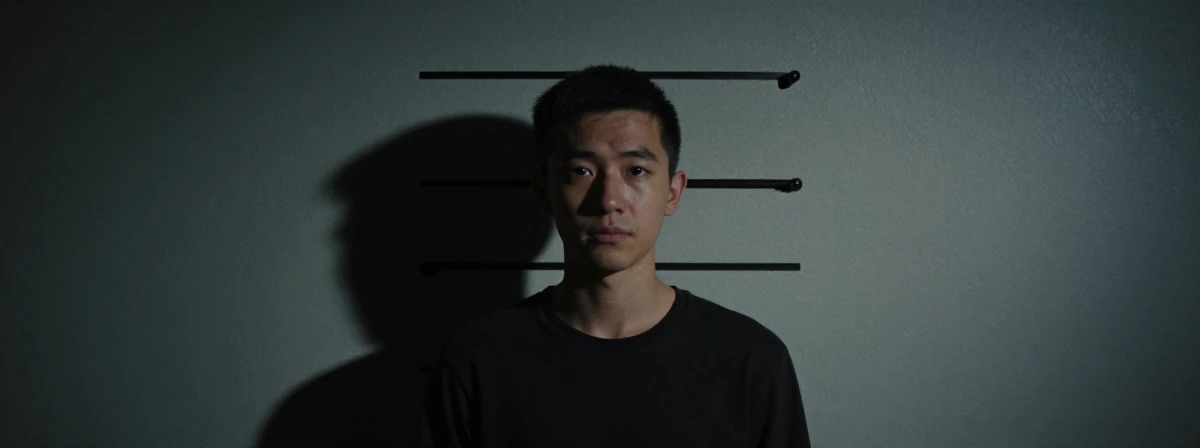
Some games, like Hogwarts Legacy, had entire characters vanishing in the background when DLSS 5 kicked in. Others got the “mugshot” treatment—flat, unflattering lighting that makes characters look like they’re in a police lineup. It’s not just a few bad examples; it’s a pattern. Think about it: when did “more realistic” start meaning “less lifelike”?
The AI Haters vs. the Tech Enthusiasts
This isn’t just about graphics—it’s about trust. Some argue that hating AI is “blind,” but others see a pattern: when AI tools produce garbage, people notice. DLSS 1 was laughed at, DLSS 2 was praised, and now DLSS 5 is dividing the community all over again. It’s not about hating progress; it’s about hating results that look like a first draft.The Developers Aren’t Off the Hook
Nvidia gave devs tools to tweak DLSS 5, but Capcom and Bethesda’s early results? Not great. If the showcase games look like this, what happens when it rolls out everywhere? It’s like giving a chef a new oven but expecting the same burnt toast. The tech might be powerful, but the execution is leaving a bad taste.DLSS 5 vs. the “Soap Opera Effect”
Remember when some TVs made movies look too real? That’s the vibe here. Some players see the uncanny artifacts immediately; others don’t notice a thing. It’s the digital equivalent of splitting hairs—but the fact that it’s even a debate says something. What if the future of gaming is decided not by what looks best, but by what people tolerate looking “good enough”?
Everything Is Connected
The real story here isn’t just about a flawed graphics update. It’s about how we’re all learning to live with AI—whether we like it or not. DLSS 5 is a mirror reflecting our expectations: we want realism, but we’re repelled by fakeness. We want innovation, but we’re sick of half-baked solutions. The tech isn’t the villain; the disconnect between ambition and execution is. And until that gap closes, we’ll keep seeing faces that look like they’ve been filtered into oblivion.