
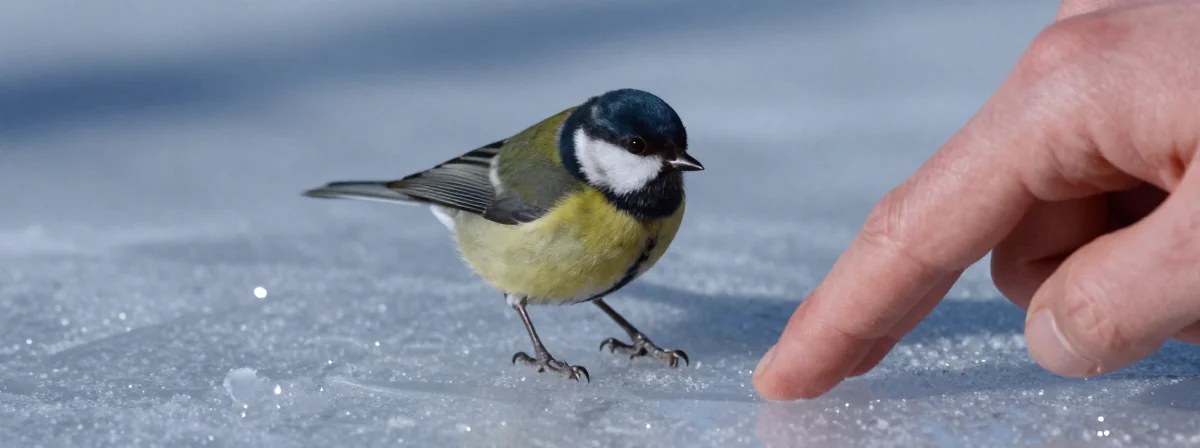
Have you ever tried to lick a frozen pole in a movie and immediately regretted it? Yeah, me neither—but I’ve definitely seen the aftermath, and let’s just say, it’s not pretty. Turns out, birds have this whole “not sticking to ice” thing down to an art form, and it’s way more complicated (and hilarious) than you might think. No, it’s not magic—though I wish it were, because then I could finally explain why my tongue once decided to make out with a popsicle.
Let’s Talk About It
- Bird feet are drier than a stand-up comedian’s wit.
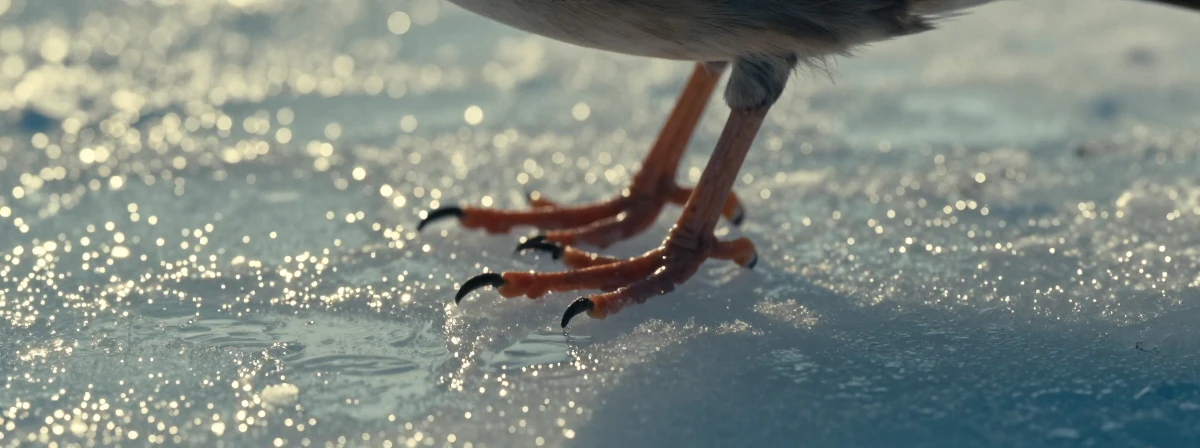
Seriously, those little scaly paws are like nature’s non-stick pans. Their feet are kept just above freezing thanks to a genius blood-pumping system that sends warm blood down and then cools it right before it hits the icy surface. It’s like having a personal thermostat for your feet—something I wish I had before stepping onto a frozen driveway in flip-flops. No wonder birds don’t get stuck; their feet are basically the Teflon of the animal kingdom.
To get stuck, you need the perfect storm of cold.
You’ve got to touch a wet hand/foot/tongue to a surface that’s well below freezing—like, arctic-cold. If the surface isn’t cold enough to freeze water instantly, you’re safe. Birds can make this mistake too, but it’s rare because the conditions have to be just right: open water to get wet and then a brutally cold, dry surface to stick to. Most of the time, the snow or ice is already kinda wet, so the freeze time is long enough for them to escape. It’s like trying to make a snow angel on a slightly chilly day—just not cold enough for the drama.Birds are warm-blooded wizards.
They generate their own body heat and are super insulated, so they don’t lose much energy warming the snow around them. This makes sticking to ice even less likely. They’re basically tiny, feathered heaters with feet that don’t even try to stick. Meanwhile, I’m over here in a parka, sweating because I layered too many shirts, and my feet are still freezing. Talk about unfair advantages.The one time they do stick? Pure comedy gold.
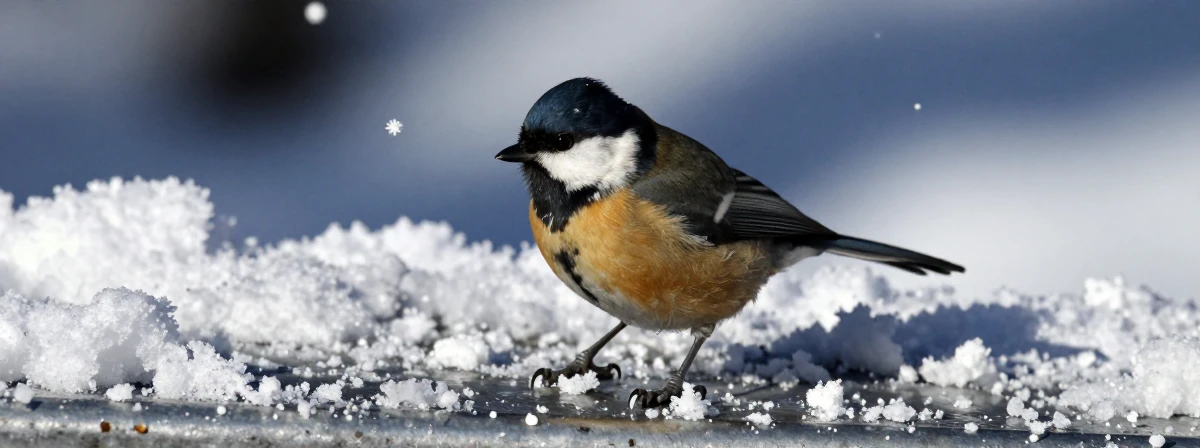
Yes, birds can get stuck—just like that one time I tried to grab a metal slide on a freezing day and nearly ripped my hand off. There are videos of this online, and let me tell you, it’s as hilarious as it is painful to watch. But it’s rare enough that it’s more of a “fun fact” than a survival strategy. They’ve basically evolved to be the anti-stick superheroes of the cold world—like the opposite of me trying to open a jar without swearing.
- Humans: The accidental ice magnets.
We don’t have the same superpowers. Our hands and feet get wet, we’re not as insulated, and we definitely don’t have that blood-pumping trick. So when we touch something freezing, we’re basically asking for it. It’s like we’re the opposite of birds—nature’s sticky notes, ready to cling to anything cold and metal. Maybe that’s why I always carry gloves now. Or maybe it’s because I’m tired of looking like a cartoon character who just touched a frozen doorknob.
So next time you see a bird strolling across ice like it owns the place, remember: they’ve got the whole “not sticking” thing down to a science. And maybe, just maybe, we can learn something from them—like how to keep our tongues off frozen poles. Or at least how to not look like a complete fool when we do.