
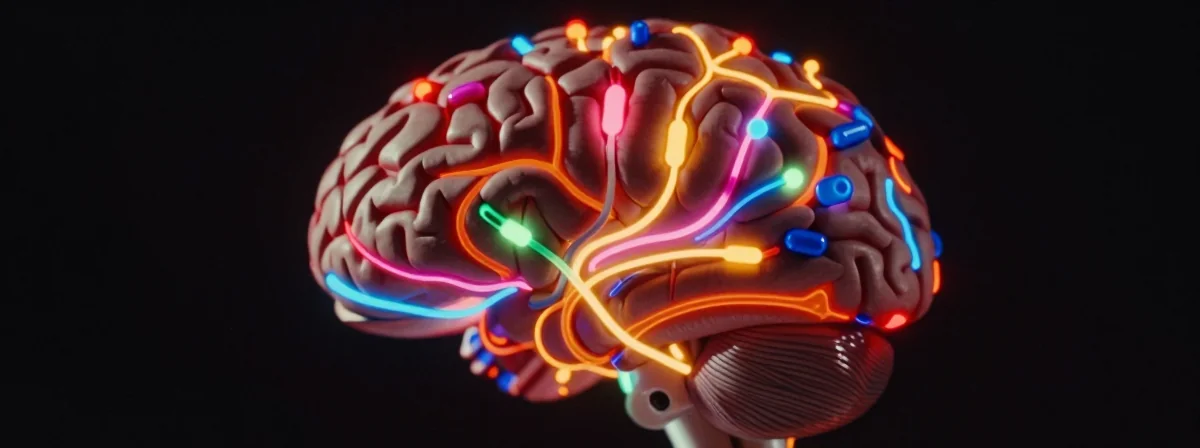
Some moments just hit different. That split second when everything fades to background noise and all that matters is the wave of pure sensation washing over you. You know the one. But what is that feeling, really? Beyond the textbook answer of “binds with neuroreceptors,” what’s actually happening in your brain when pleasure hits its peak? Let’s unpack the science behind why we chase that feeling — and why our bodies evolved to make us want more.
Building the Case
- Your Brain’s Own Morphine and Meth Fix
Think of it as nature’s perfect high. Every time you climax, your brain floods with endogenous opioids — your body’s version of morphine — while simultaneously firing up dopamine pathways that feel a lot like meth. It’s not a stretch to say you’re getting a microscopic dose of both with every orgasm. This biochemical cocktail explains why the feeling is so intensely rewarding, so addictive even when there’s no risk of overdose.
The Pleasure Principle: It’s All About Baby Making
Evolution didn’t make sex feel good out of the kindness of its heart. This was a calculated move in the survival game. Our ancestors who found reproduction pleasurable had more offspring — simple as that. Over millennia, the genes that linked pleasure to procreation became dominant. Those who didn’t get the memo? Their lineage eventually fizzled out. The equation is brutally efficient: pleasure = reproduction = survival of the species.The Reward Center’s Grand Finale
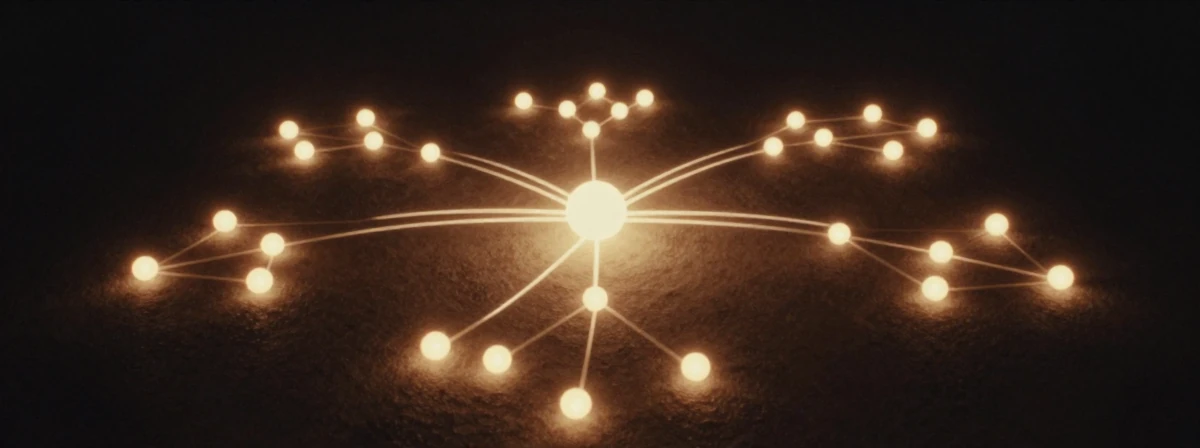
When nerve stimulation hits that magic threshold, your brain’s reward center throws a party. It’s not just one chemical doing the heavy lifting — it’s a symphony of oxytocin (the bonding hormone), dopamine (the pleasure signal), and endorphins (natural painkillers). This isn’t some vague “good feeling”; it’s a precisely orchestrated neurological event designed to make you want to do it all over again. Heroin targets many of the same receptors, which is why addiction can hijack these pathways — but your body’s natural version is perfectly calibrated to keep you coming back without the downsides.
Beyond Sex: Why Other Things Can Feel Orgasmic Too
Ever had a sneeze that bordered on the divine? Or a stretch that made you see stars? The same biochemical mechanism can be triggered by non-sexual stimuli. Your brain doesn’t have a “pleasure only for sex” switch. It’s all about reaching that neurological threshold. This is why runners get high, why certain foods make us weak in the knees, and why some people experience orgasms from touch elsewhere on their body. The wiring is there for a reason — and it’s flexible enough to find pleasure in multiple forms.The Unspoken Truth About Addiction and Desire
Here’s the thing: your brain doesn’t distinguish between natural rewards and artificial ones. That’s why compulsive behaviors can feel so much like sexual pleasure — they’re activating the same circuits. The difference is that evolution designed the natural version to be sustainable. When you chase that feeling through other means, you’re essentially trying to replicate evolution’s perfect cocktail with inferior ingredients. No wonder it never quite hits the same.
The next time you experience that moment of pure pleasure, remember it’s more than just a feeling — it’s millions of years of evolutionary programming, a biochemical reward system so powerful it built our species from the ground up. It’s the ultimate reminder that your body knows what it’s doing, even when your mind is too lost in the moment to notice.