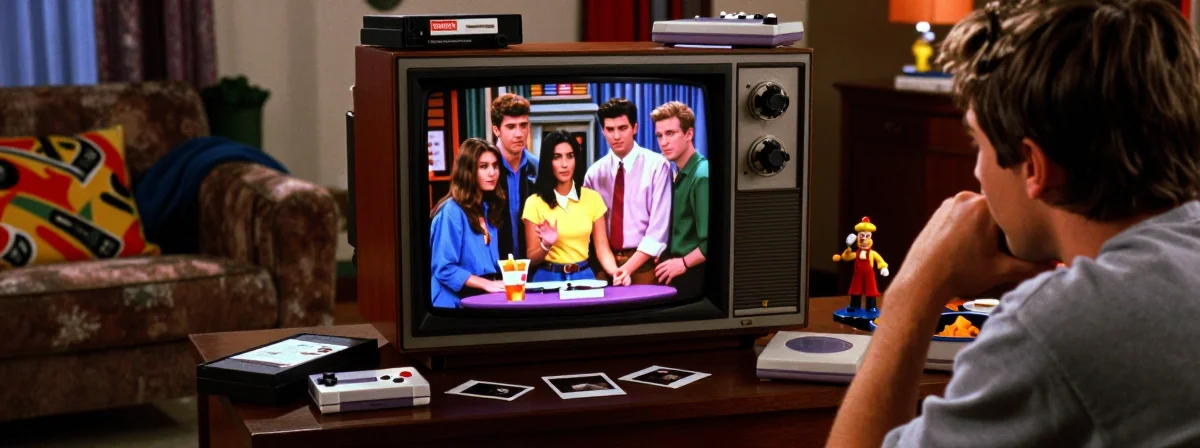
My grandmother taught me a hard lesson: “If you have to ask why something’s wrong, you already know.” I remember her pointing at the television in 1997, just as Frasier was hitting its stride. “Twenty-five episodes a year,” she’d say, shaking her head at the modern landscape. “And they called it a job.” Today, I find myself bingeing Seinfeld reruns while the world outside insists that something is happening in streaming. Let’s cut through the noise.
Beneath the Official Story
The Production Paradox
They say modern shows are “cinematic,” but my eyes pop when I see Fallout’s location shoots. Every episode is a glossy movie — except the story feels like it was written on a phone. My father, a former set designer, laughs when he sees today’s lighting schemes. “It’s all key light and no soul,” he mutters. The 90s had an edge to it — the way Party of Five used natural shadows, the grit in The X-Files’ grainy frames. They didn’t need CGI to make you feel something.The Remake Plague
Hollywood is dying, plain and simple. I saw it coming when they rebooted Scrubs — a show that didn’t need saving. My husband and I recently finished School Spirits and called it a triumph. Then we cringed through the latest teen horror remake. It’s not age, it’s exhaustion. My grandmother used to say, “They’re running out of stories because they’re running out of courage.” The Epstein files didn’t just shake my faith in power structures — they made me question every narrative being sold to me. If the highest levels are rotten, why should I care about a poorly written love triangle?The Attention Span Economy
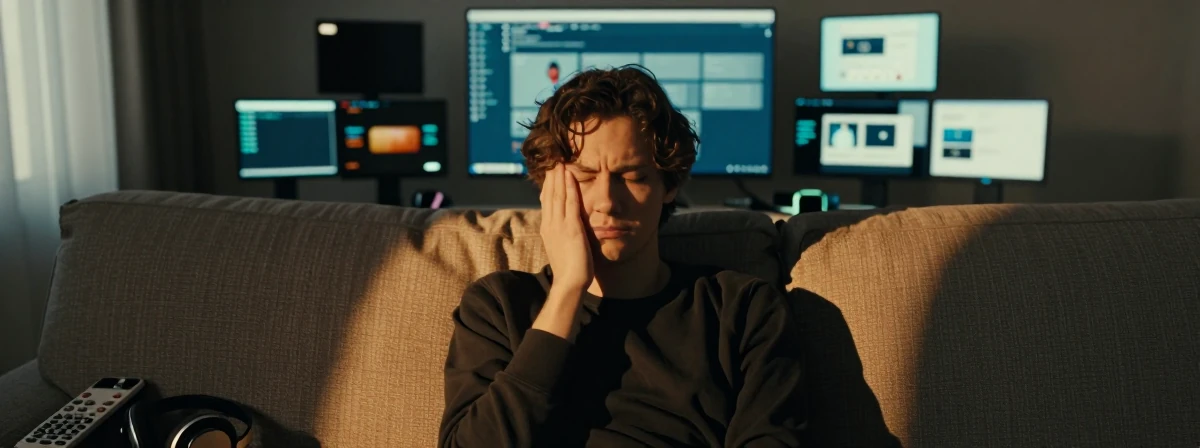
You don’t need me to tell you that scrolling has ruined everything. I’ve tried watching the new LOTR, promising myself I’d commit. Three episodes in, and I’m back on YouTube. It’s not that I can’t focus — it’s that modern shows demand you track seventeen subplots while simultaneously ignoring basic character arcs. My grandfather, who worked in advertising, called it “pretextual entertainment.” They give you enough to seem deep, but nothing that requires real thought. No wonder I’d rather listen to birds.
- The Cancellation Curse
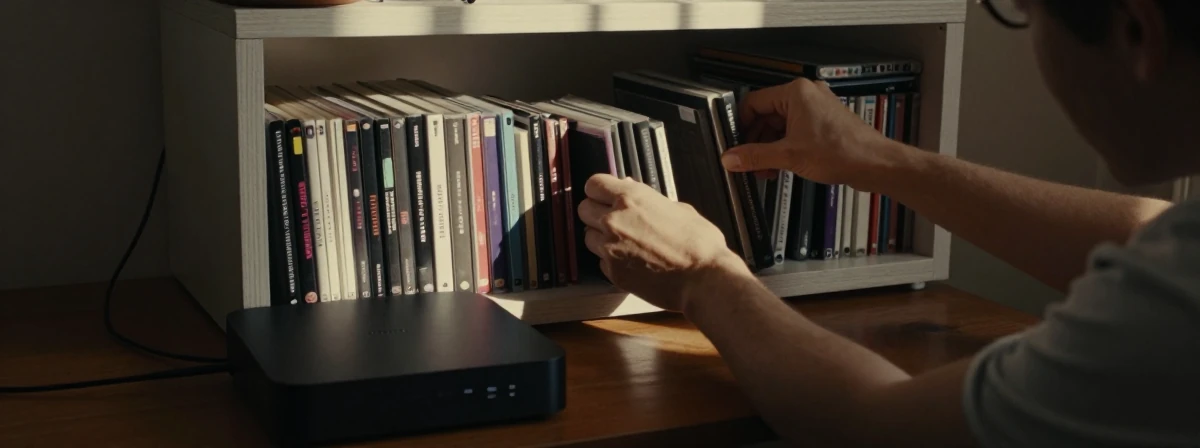
Remember when TV had permanence? When someone greenlit a show, it felt like a promise. Now? It’s a rental. I’ve stopped starting new series because the algorithm will just delete them mid-story. My friend built a home server six months ago — 600 episodes of The X-Files later, he’s laughing at streamers. “They can’t cancel a hard drive,” he says. My grandmother would nod. “Trust what lasts,” she’d say. “The rest is just noise.”
The Creative Recession
It’s not just TV. The music I loved in my 20s sounds hollow now. The games are all sequels. Even sports feel manufactured. My father, who studied creative economics, called it “the vacuum effect.” When institutions lose their moral center, creativity follows. The Epstein revelations didn’t just make me question power — they made me question all manufactured narratives. Why should I invest in a story when the people telling it seem disconnected from reality?The Nostalgia Trap
Before you dismiss this as simple nostalgia, consider this: I watch 97% of everything I watch from the 90s or earlier. That’s not偶然. It’s a choice. My grandmother taught me to value what withstands time. “The 90s didn’t have perfect stories,” she’d say, “but they had honest ones.” Frasier didn’t need a season 12 to justify its existence — it earned every episode. Today’s shows feel like they’re constantly asking for permission.
The Evidence Is Irrefutable
The truth is simpler than you think: when you strip away the glossy effects and the endless reboots, modern entertainment offers nothing to hold onto. It’s not that we’re getting older — it’s that the industry stopped believing in permanence. My grandmother’s lesson echoes in my mind: if you have to ask why something’s wrong, you already know. And maybe, just maybe, the real question isn’t about TV at all. Maybe it’s about what happens when stories stop mattering.