
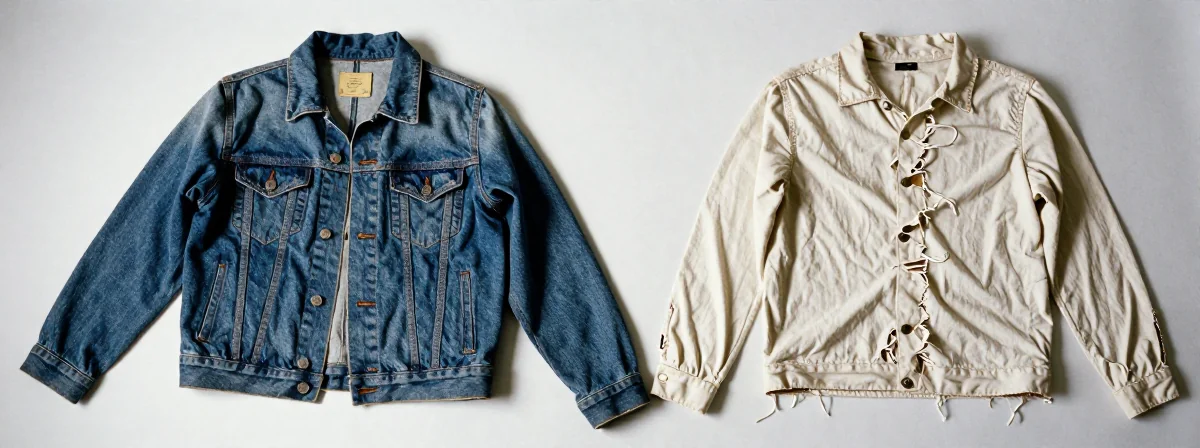
Ever wonder why that $5 T-shirt from the fast-fashion joint falls apart after three washes, while your grandma’s 30-year-old dress still looks fine? It’s not magic—it’s fabric. And no, ‘100% cotton’ doesn’t mean squat. If it did, we’d all be wearing the same crap.
Clothes are more than just fabric slapped together. They’re the result of a ridiculous number of decisions—some made by people who actually care, others by people who just want your money. From the cotton field to the sewing machine, every step matters. And if you’re tired of throwing away clothes that should last, you’re in the right place.
Because here’s the thing: fabric isn’t just fabric. Not even close.
Why ‘Cotton’ Doesn’t Mean Anything Anymore
So you’re looking at a tag that says ‘100% cotton,’ and you think, Okay, this is legit. Wrong. Cotton is like wine—some are fine, some are fire-hose-inducing. The length of the cotton fibers alone can make a world of difference. Longer fibers? Stronger, softer, less likely to pill (that annoying fuzz-balls thing). Shorter fibers? Good luck.
And that’s just the start. The way the cotton is spun into thread, the density of that thread, the weave—it’s all a recipe. A cheap T-shirt might use thin, short threads woven loosely, so it feels flimsy and falls apart. A ‘premium’ shirt? It’s got thicker threads, tighter weaving, maybe even two-ply thread (that means two strands twisted together for extra strength).
Think of it like building a house. You can use 2x4s or you can use actual solid beams. Both are ‘wood,’ but one will stand the test of time, and the other will collapse when the wind blows. Same deal with fabric.
Thread Count: The Great Misleading Number
Oh, thread count. The number that makes people think ‘higher is always better.’ Newsflash: it’s not. A 400-thread-count sheet might feel like sandpaper compared to a 300-thread-count one if the threads are thick and the weave is dense. Meanwhile, a 180-thread-count dress shirt can feel smoother than silk if the cotton is high-quality and the weave is right.
Thread count is like the GPA of fabric—numbers don’t tell the whole story. What matters is the quality of the threads, how they’re woven, and what they’re made of. A cheap shirt might brag about a ‘120 thread count,’ but if those threads are thin and weak, you’re still screwed.
And don’t get me started on synthetics. Polyester can have threads as long as a football field, but if the weave is garbage, it’ll pill like crazy. It’s not just about the material—it’s about how it’s put together.
The Hidden Costs (And Why Some Shirts Cost $100)
Ever seen a $100 T-shirt and thought, This is just a shirt? Yeah, me too. But here’s the thing: sometimes that extra cash isn’t just for the logo. It’s for the labor. Hand-sewn seams take longer. Buttons that don’t fall off? That costs more. Fabric that’s treated to resist fading or shrinking? That’s not cheap.
And sometimes, it’s about the workers. Not all clothes are made in sweatshops. Some brands actually pay their workers decently, which means higher prices. It’s not always about ripping you off—it’s about not ripping someone else off.
But let’s be real: Calvin Klein isn’t expensive because of fair wages. It’s expensive because of the CK logo. And that’s fine! If you want to pay for the name, go ahead. Just don’t pretend it’s about quality.
The Dye Job (And Why Your Whites Turn Gray)
Fabric isn’t just woven and shipped. It’s dyed. And some dyes are better than others. Cheap dyes fade faster than your enthusiasm for Monday mornings. High-quality dyes bind to the fabric so they don’t wash out.
But here’s the kicker: some ‘premium’ dyes are just marketing. A brand might use a fancy dye process that costs more but doesn’t actually make the fabric last longer. It’s like paying extra for a car with ‘premium paint’ that still chips just as easily.
And then there’s the ethical side. Some dyes are toxic, some are eco-friendly. If you care about that, it’s another layer to consider. But if you just want clothes that don’t look like crap after six months? Stick to brands that actually use decent dyes.
The Final Stitch (And Why Some Clothes Fit Like Garbage)
So you’ve got great fabric, great thread, great dye. Now what? Oh, right—the cutting and stitching. A shirt can have the best fabric in the world, but if the cut is awful, it’ll look like crap on you. And if the stitching is weak, it’ll fall apart anyway.
Ever notice how some shirts have buttons that pop off after one wash? That’s because the stitching was done by someone who clearly didn’t care. Good tailoring takes time. Hand-stitched buttonholes? That’s a labor of love. Machine-stitched in five seconds? That’s a labor of ‘get it done.’
And then there’s the ‘premium’ stuff. Slow looms, like the ones used for those loop-wheel T-shirts everyone loves (thanks, The Bear), take forever to make fabric. That’s why they cost $200. It’s not just the material—it’s the time.
So What’s the Point? Just Buy Expensive Clothes?
Not necessarily. The point is: don’t be fooled. ‘100% cotton’ is meaningless. Thread count is misleading. Brand names are often just smoke and mirrors.
But if you want clothes that last, look for:
- Longer cotton fibers (Supima, Egyptian, or Pima cotton are good bets)
- Higher thread density (not just thread count)
- Strong stitching and good tailoring
- Brands that actually care (or at least don’t lie about it)
And if you see a $180 polyester shirt at Nordstrom? Ask yourself: is it really worth it, or are they just banking on you not knowing any better?
Because at the end of the day, clothes are just fabric. But some fabric is built to last, and some is built to be forgotten. The choice is yours.