
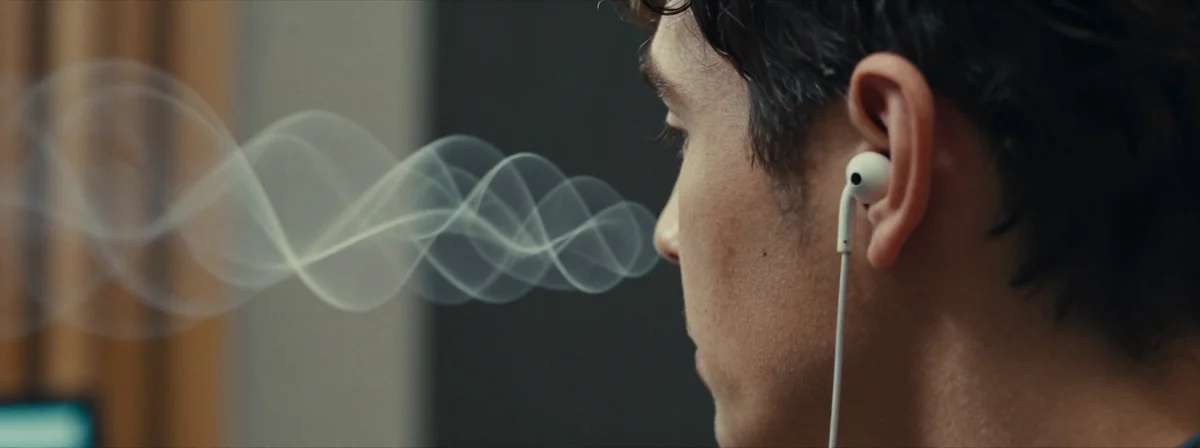
So you hit record, listen back, and immediately want to delete it? Yeah, me too. It’s like seeing an old vacation photo where you’re doing a weird face — cringey as hell, right? But while you’re convinced you sound like a chipmunk on helium, there’s actually a totally normal reason why.
Ever notice how your voice sounds deeper in your head than on a recording? That’s because you’re hearing two versions of yourself all the time. When you speak, your voice travels through the air (what others hear) and also through the bones in your head (what you hear). The bone part adds this rich, deeper layer — like your voice has its own little echo chamber inside your skull. A recording only captures the air part, so it sounds higher and thinner. It’s not that you sound “bad” — it’s just missing half the sound you’re used to.
So Like…
Your skull is basically a sound booster. When you talk, your vocal cords vibrate, and those vibrations travel through your jaw, cheekbones, and skull. That’s why your voice feels deeper and more resonant to you. A mic only picks up the sound waves in the air, not those bone vibrations. So recordings sound “off” because they’re missing your personal sound enhancement system.
Everyone hates their recording voice. Seriously. Your friend who sounds smooth on the phone? They probably cringe when they hear a recording of themselves. Your boss who sounds stern in meetings? Same deal. It’s like how you’re used to seeing yourself in a mirror (flipped) but photos look weird — your brain just needs to recalibrate when it hears something new.
Think of it like trying a new drink. You know that moment when you grab an orange juice carton but accidentally pour milk? Your first reaction is “Ew, what is this?” even though milk isn’t actually gross. Your recorded voice is the same — it’s not worse, it’s just not what you ordered. Give it a second, and you’ll realize, “Oh, this is fine.”

You can actually get used to it. Musicians and podcasters deal with this all the time. After a few years of hearing yourself through studio monitors or editing recordings, it stops being weird. It’s like training your brain to accept the new version. You don’t have to love it, but you can learn to be chill about it.
Bone conduction headphones are wild. If you wore headphones that transmitted sound through your bones (instead of just the air in your ears), you’d finally hear yourself the way you’re used to hearing yourself. To you, it would sound normal. To someone else listening, they’d hear that deeper voice you’re so used to. It’s like a sci-fi trick for your ears.
- No one else is judging. When you hear your voice on a recording, it sounds unfamiliar and maybe a little awkward. But to everyone else, it’s just… your voice. They don’t hear a “terrible” version; they hear the version that’s normal to them. It’s only a problem in your own head.
That’s About It
So yeah, your recorded voice isn’t actually terrible — it’s just different. And that’s kind of cool when you think about it. Your skull is giving you a built-in sound effect that no one else gets to hear. Instead of cringing, maybe just think of it as your private audio superpower. Now go ahead, record yourself laughing. It’s probably not as bad as you think.