

Ever snuggle into a reversible black-and-white blanket and wonder which side keeps you warmer? It seems simple, but the answer takes us on a wild ride through physics—because the truth is, it depends. Not on magic, but on where you are and what’s shining down. Let’s unravel this cozy mystery.
Breaking It Down
Black Absorbs, But Only When There’s Something to Absorb
Black surfaces are famous for soaking up visible light—think of how a black shirt feels on a sunny day. But if there’s no sun, that black side isn’t doing much. It’s like a sponge with no water; it sits there, ready, but nothing’s happening. The magic of black only kicks in when there’s energy (like sunlight) to gobble up.White Reflects, Especially Your Own Warmth
Here’s where it gets counterintuitive: white isn’t just reflecting sunlight. It also reflects infrared radiation—your body’s own heat waves. Think of white as a tiny mirror for your warmth. If you’re indoors or in the dark, the white side facing you will bounce more of your heat back, keeping it trapped like a tiny, personal greenhouse.Sunlight? Black Side Up, Stat
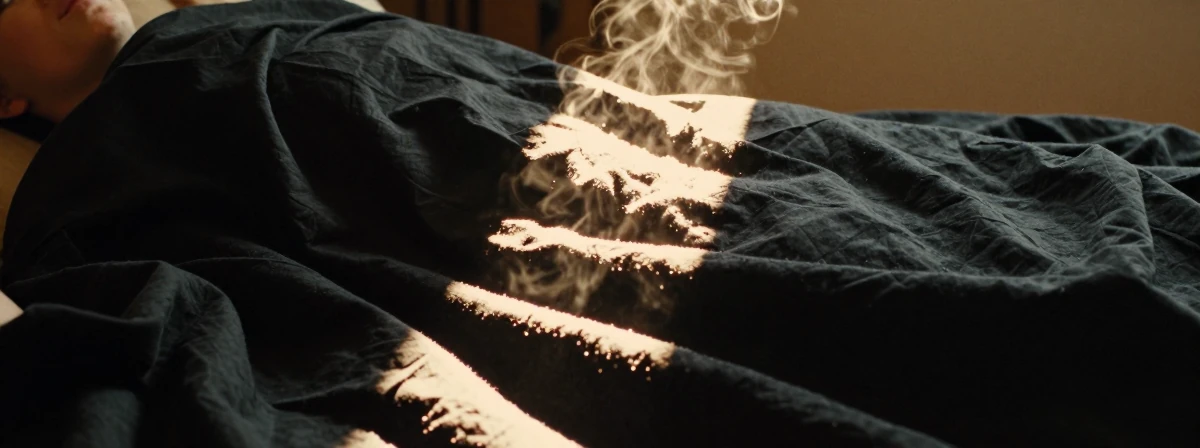
If you’re outside on a sunny day, black side up is your best bet. The black absorbs sunlight, turning it into heat that warms the blanket—and you. It’s like using a solar panel to cook your soup. The white side would just reflect the sun’s energy away, leaving you cooler.
No Sun? The Difference Shrinks to Almost Nothing
Inside your house, away from windows, the color barely matters. Your body heat escapes mostly through infrared radiation and air convection. A blanket already stops convection dead in its tracks. The color’s effect on radiation is so tiny that you’d need a lab to measure it. It’s like arguing over whether your coffee cools faster in a red mug versus a blue one.Black Radiates Heat—Good or Bad?
Black surfaces radiate heat more efficiently than white ones. This means if the black side is facing out, it’ll leak your body heat faster into the cold world. Flip it inside-out, and that same property helps trap heat by radiating it back at you. It’s a double-edged sword: black helps absorb heat from the sun but also lets your own heat escape more readily.
The Blanket’s Real Job: Trapping Air, Not Just Light
Don’t forget the blanket’s primary superpower: trapping air. The fibers create tiny pockets of still air that insulate you. Color affects only a tiny fraction of heat transfer. The bulk of your warmth comes from this trapped air, regardless of whether your blanket is black, white, or polka-dotted.The Practical Verdict: Context Is King
Outside in the sun? Black side up. Inside or at night? White side in. But honestly? The difference is so small that your blanket’s thickness and material matter way more. It’s like choosing between a slightly faster or slightly slower tortoise—either way, it’s still a tortoise.
Key Takeaways
The color of your blanket is a fun physics puzzle, but it’s not the real star of the show. The sun is your ultimate warmth partner—when it’s around, black works wonders. Otherwise, it’s all about reflecting your own heat back at you, and white does that slightly better. So next time you reach for that reversible blanket, think about your environment. But don’t stress too much—the real warmth comes from the blanket’s ability to hold onto air, not just light. Now go forth and snuggle—with science on your side.