
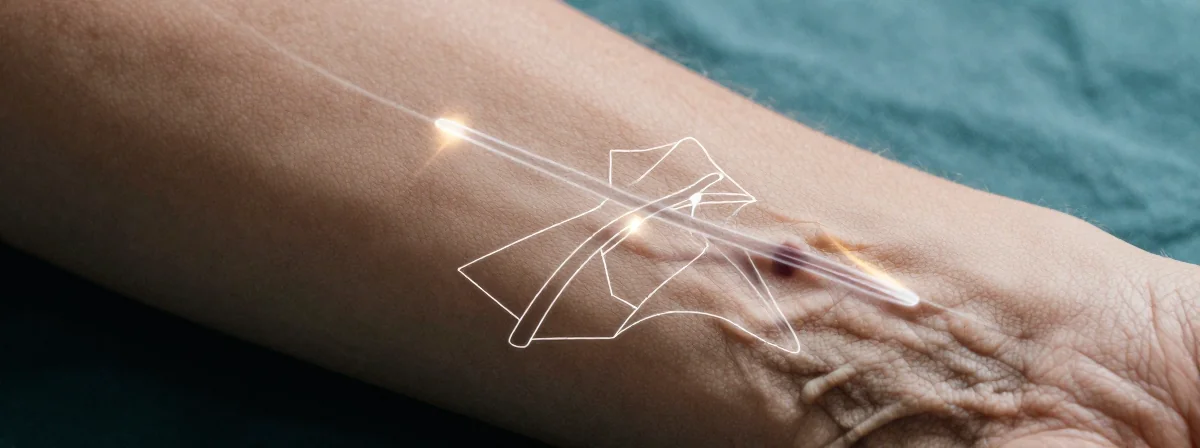
Ever wonder why a shot in the arm feels different from one in your thigh? It’s not just about comfort. Back in the 90s, when I was first learning the ropes of medical tech, we didn’t have the fancy simulations we do now—but we knew one thing: your body’s delivery system is a marvel of precision. And it all starts with where that needle goes in.
Your bloodstream isn’t just a river—it’s a network of highways carrying everything from oxygen to medication. When something enters your blood, it’s on a mission to reach every corner of your body. But how it gets there, and how fast, depends on the starting line.
From Where I Stand
Your Bloodstream Is the Ultimate Delivery Route
Back in the 90s, we used to say “what goes in the blood goes everywhere.” Today’s science confirms it: once medication hits your bloodstream, it’s on a tour of your entire body. That’s why doctors are so careful about what they inject—and where. The circulatory system connects every organ, every tissue, every cell. It’s the reason a tiny dose can have a big effect.Not All Injections Are Created Equal
Think of it like mailing a package. You wouldn’t send overnight mail via snail mail, right? The same goes for medicine. Inject into a vein, and it’s express delivery—straight into the bloodstream. Put it in muscle, and it’s priority mail—faster than skin but not instant. Under the skin? That’s like a slow-release package, designed to arrive over time. The site matters because the speed matters.Stomach vs. Thigh: It’s About the Clock
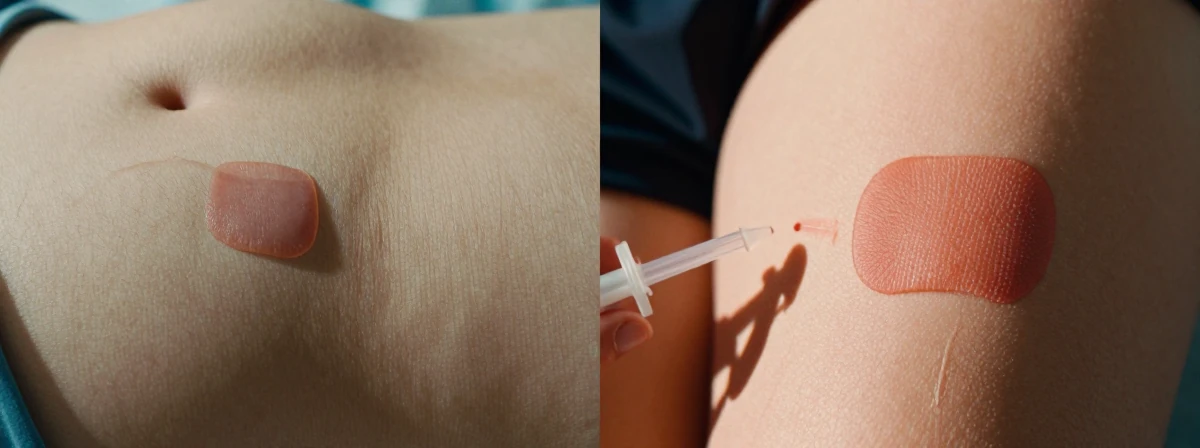
Why do some shots go in your stomach fat and others in your thigh? It’s not magic—it’s biology. Stomach fat has slower blood flow, so medication releases gradually. Thigh or arm fat? A bit faster, especially if you’re active. It’s like choosing between a timed-release pill and one that dissolves quickly. No fancy secrets, just smart delivery.
Molecules With a Mission
Medication isn’t just floating around aimlessly. Those molecules are shaped to find specific targets—like keys looking for the right lock. They travel until they find the cells they’re meant to affect, then bind and do their job. That’s why a painkiller hits nerve tissues but leaves your heart alone. It’s precision engineering, honed over decades of research.Local Anesthetics Need a Different Strategy
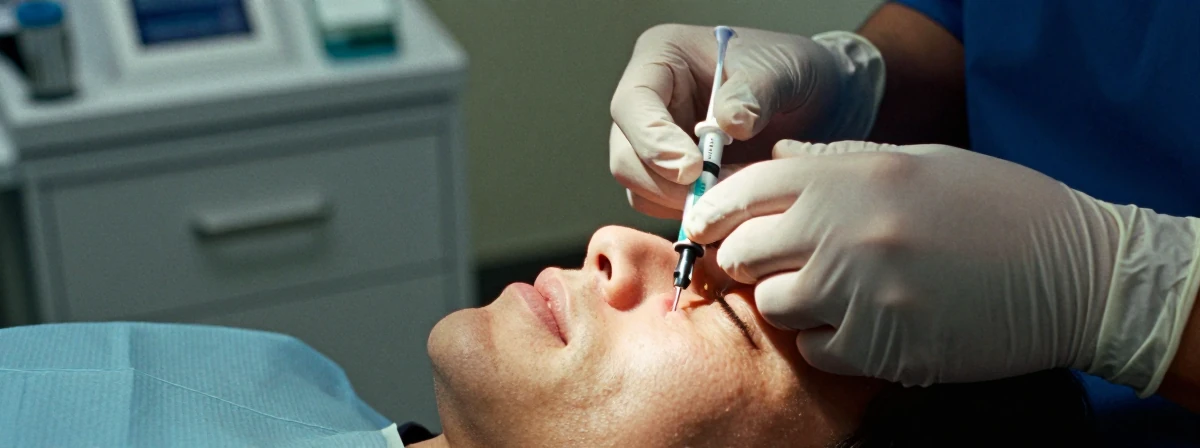
Ever had a dentist numb your mouth? That’s when the rules change. Local anesthetics need to stay put, so dentists add something to tighten nearby blood vessels. It’s like putting a dam in a river—keeps the medicine from flowing away too soon. Not all injections are systemic; some are local, and their placement is everything.
- Veins Aren’t Just for IVs
Some medications are tough on veins. That’s why nurses pick wide veins when giving certain drugs. It’s like choosing a sturdy pipe over a thin straw—prevents damage. And for high-volume shots? Big muscles like the butt or thigh are the go-to. It’s all about capacity and safety.
The Final Word
Your body’s delivery system is a masterpiece of design. From the shape of molecules to the flow of blood, every detail matters. Next time you get a shot, remember: it’s not just about the medicine—it’s about the journey. Because where it starts determines where it ends up—and how well it works. That’s the kind of insight you don’t get from a quick Google search. That’s the kind you earn from decades of watching this stuff unfold.