
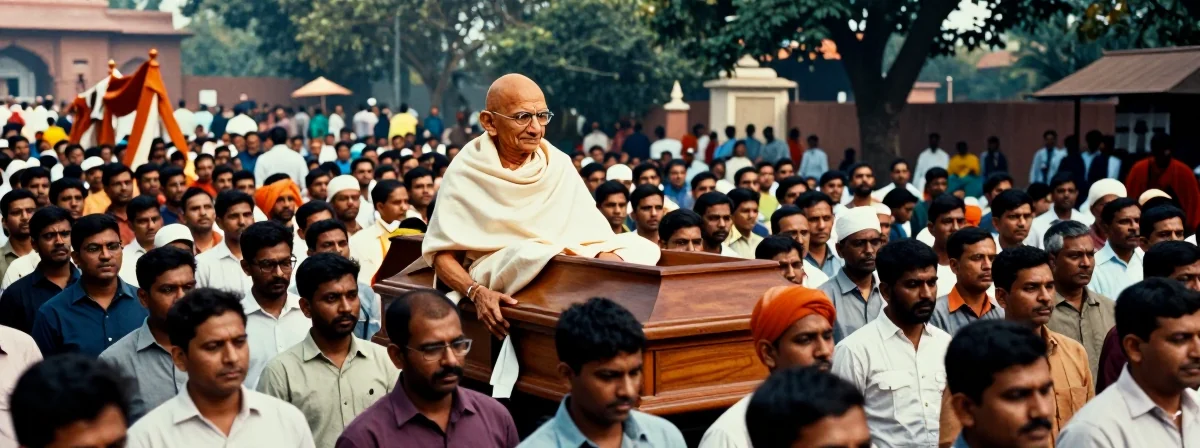
Ever wonder what it takes to film a scene with 294,560 people? Forget CGI or green screens. We’re talking real humans, real emotion, and a story so powerful it brought a nation to its feet. This isn’t just movie magic—it’s a testament to what happens when vision meets reality. Let’s step onto the set of history.
Your Game Plan
They Chose the Sacred Ground. They didn’t just pick any street. They traveled the exact same route as Gandhi’s real funeral procession on Delhi’s Rajpath. In 1981, India had grown—its population larger, its reverence for Gandhi deeper than ever. This wasn’t just a reenactment; it was a national pilgrimage, a chance to pay tribute again to the father of the nation. Imagine the weight of that decision, the respect it commanded.
The Date Was Destiny. They filmed on January 31, 1981—the 33rd anniversary of Gandhi’s funeral. Today, many Indians still observe a two-minute silence on January 30. To be on that exact spot, on that exact anniversary… the emotional overtones were off the charts. It wasn’t just a scene; it was a living memorial.
The Numbers Are Mind-Blowing. Each of the 94,560 paid extras got about 6.5–7 rupees. That’s roughly 40 pence each. The other 200,000? Unpaid. But when you’re part of honoring Gandhi in his capital city, on the anniversary of his funeral… is it really about the pay? The scene ended up with more people than the actual historical procession. That’s power.
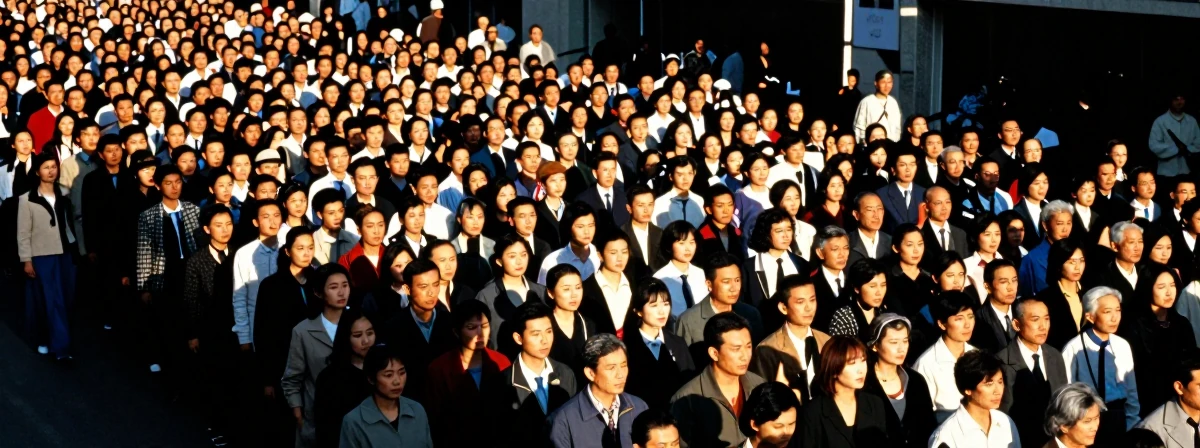
The Filmmakers Were Warriors. Deciding to do it and actually pulling it off? Two different beasts. Setting camera angles with that many people must have been chaos. But they did it. They made it happen. For years after, other productions would post that day’s call sheet in their break rooms—proof that nothing is truly impossible.
The Budget Wasn’t the Issue. At $22 million, the film’s budget was hefty. The extras cost about $74,000—just 0.33% of the total. That’s right. Less than a third of a percent. The scene cost next to nothing in the grand scheme, yet it delivered everything. It grossed $128 million. Sometimes, the biggest impact comes from the smallest investment.
The Unpaid Were the Unsung Heroes. Were they paid? No. Volunteers? Maybe. But many were just there because it was Gandhi. Because it was their history. Because it was their chance to be part of something bigger than themselves. That’s the magic of it—when people show up not for the money, but for the meaning.
It’s Not About the Boredom. Yeah, Gandhi the movie is long. But this scene? This wasn’t boring. It was alive. It was real. It was a moment where cinema and history collided. So what if some critics call it slow? This scene alone proves that big stories deserve big canvases.
The Legacy Lives On. For years, that call sheet hung in production offices worldwide. It was a reminder: When you think you can’t, remember Gandhi on Rajpath. Remember that with enough heart, enough coordination, enough belief—you can move mountains. Or at least, 294,560 people.
Your Turn
The next time you face a challenge that feels impossible, think of Rajpath. Think of 200,000 people giving their time for free because it mattered. Think of the filmmakers who saw it through. That’s the kind of energy that changes things. That’s the kind of belief that makes the impossible, possible. What will you do with that energy today?