
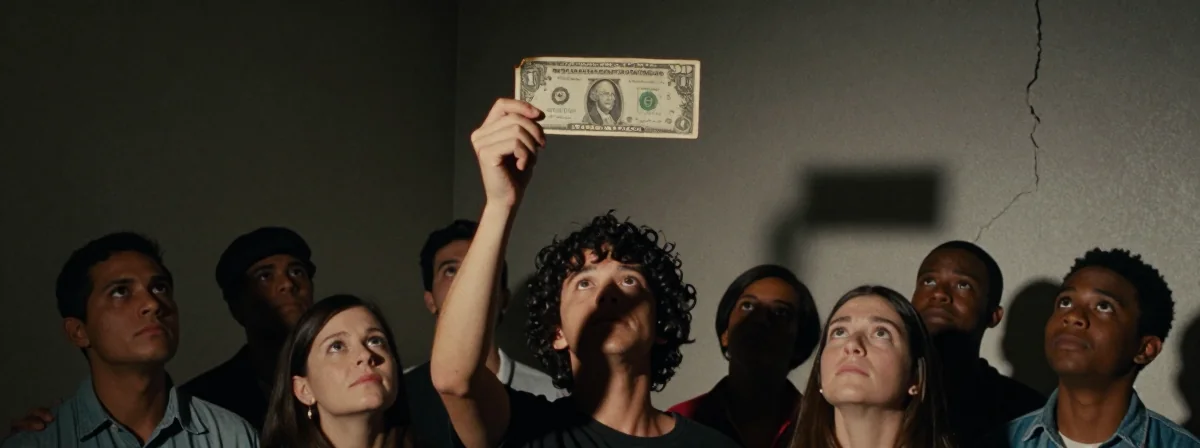
Most people think higher wages equal better lives. It’s a comforting idea—simple, direct, and full of hope. But what if the real battle isn’t about how much we get paid, but about where we can live, how we can work, and who gets to decide? The current debate over raising minimum wages to $30 an hour is missing the forest for the trees. Let’s talk about what actually matters.
The Cutting Edge
The $30 Wage Isn’t a Living Wage—It’s a Fantasy Wage
Doubling minimum wage sounds revolutionary, but it ignores the brutal math of urban economics. In NYC, $30 an hour is $62,400 a year—about the national median income. But try renting a one-bedroom apartment on that in Manhattan. The wage hike becomes a cruel joke when housing costs are astronomical. It’s like giving someone a bicycle to cross the ocean.Healthcare Isn’t a Perk—It’s a Prison Sentence
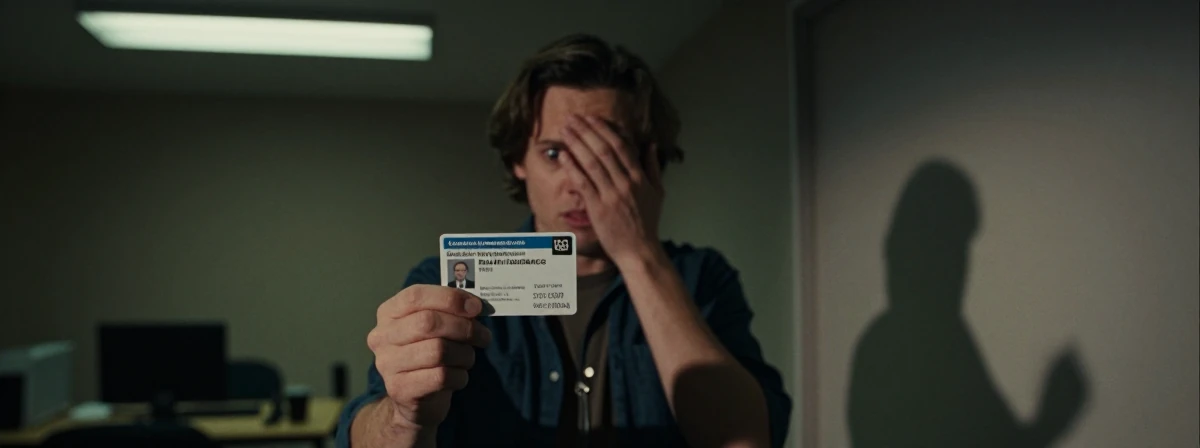
When your job is your only path to health insurance, you’re not free. You can’t quit. You can’t negotiate. You can’t even get sick without risking everything. Uncoupling healthcare from employment isn’t just smart—it’s the only way to truly empower workers. Imagine a world where changing jobs doesn’t mean risking your life.
CEO Pay Caps? The Real Question Is Where the Money Goes
Complaining about 50x ratios is missing the point. Steve Rusckowski at Quest Diagnostics proved it: reduce your $1.18M salary to $885,000 while collecting $12M in other compensation? That’s not a sacrifice—it’s a shell game. The real issue isn’t the ratio; it’s the opacity of executive compensation and the lack of worker ownership in the equation.Small Businesses Aren’t Villains—They’re Canaries in the Coal Mine
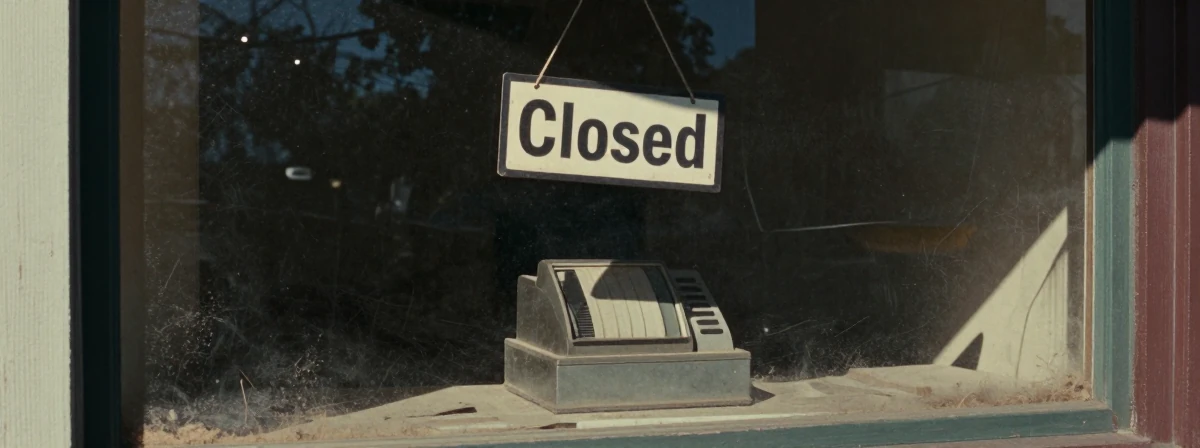
The Walmartification argument isn’t fear-mongering—it’s economics. When mom-and-pop shops can’t afford to pay $30 an hour, they close. Then what? We get more chains, fewer choices, and the same old wage stagnation. The death of small business isn’t an accident—it’s a symptom of a system designed to eliminate competition.
Your First Job Shouldn’t Be Your Last Job
Remember when entry-level IT paid $15 with an AS? Now it’s $12 with a BS. The value of labor isn’t rising—it’s being eroded. A $30 minimum wage won’t fix this. What will? Investing in skills, not just salaries. The future belongs to those who can adapt, not just those who can afford to stay put.Inflation Isn’t the Enemy—Stagnation Is
Every time wages rise, prices follow. It’s a cycle, not a solution. The real question isn’t “How much should we pay people?” but “How can we create value that outpaces cost?” The DOW at 50,000 while workers see flat wages isn’t a market success—it’s a market failure. We’re measuring the wrong things.Housing Isn’t a Luxury—It’s the Foundation
Want to help workers? Build housing. Not just apartments, but communities. Not just units, but opportunities. When rent consumes 50% of income, every wage hike is just a temporary reprieve. The $30 minimum wage debate distracts us from the real crisis: we’ve built a city that can’t house its people.
The Future Looks Bright
The $30 minimum wage isn’t the revolution we need—it’s the revolution we can agree on. It’s comfortable. It’s simple. It doesn’t challenge anyone in power. But real change would. It would question why healthcare is tied to employment. It would demand transparency in executive pay. It would ask why we’re building cities that price out their workers. The wage debate is just the surface—scratch it, and you’ll find the real questions about power, value, and who gets to thrive. The future isn’t about how much we get paid; it’s about whether our work gives us a life worth living.