
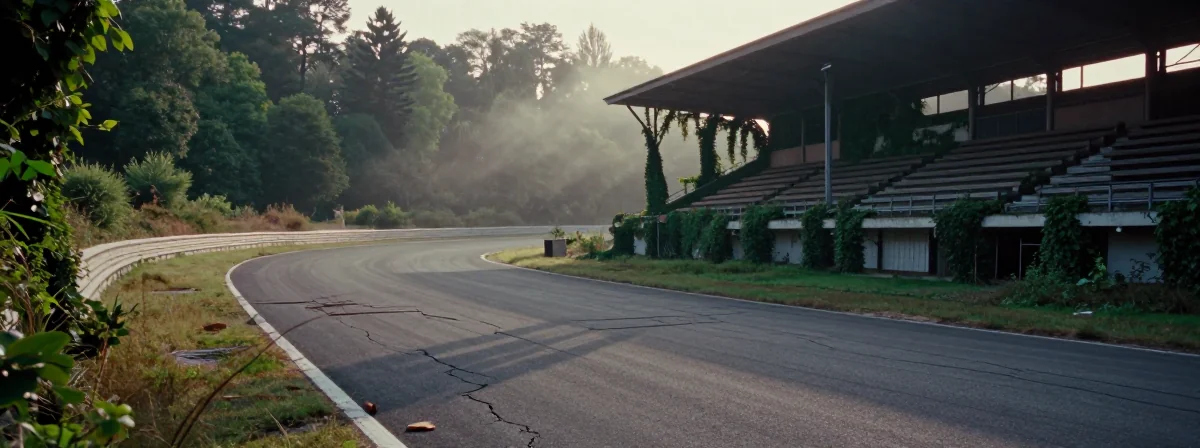
The asphalt still lies there, waiting. A perfectly engineered street circuit in the heart of Hanoi, designed to showcase Formula 1’s fastest cars. Yet, it’s never seen a live race. Not a single lap under the lights, not a roar of engines that would have made the city tremble. This is the story of a ghost circuit—built with grand ambitions, then silenced by a perfect storm of politics, pandemic, and poor timing.
Even today, you can find it in video games. In F1 2020, the Hanoi track exists as a digital phantom, a reminder of what might have been. But in reality? The roads were repurposed, the organizers jailed, and the dream of motorsport glory in Vietnam remains unfinished. How did a project with so much potential end up as a cautionary tale for the ages?
Why Was the Vietnamese Grand Prix Even Planned in the First Place?
Vietnam wasn’t an obvious candidate for Formula 1. But in 2018, the sport’s commercial rights holder struck a deal with the city of Hanoi, promising a new race to debut in 2020. The track, designed by Hermann Tilke (the man behind many modern F1 circuits), featured long straights and tight corners—a challenging mix that would test even the best drivers.
The plan wasn’t just about F1. The circuit was built with multi-use in mind, capable of hosting other racing series like GT3 or touring cars. Yet, as soon as F1 pulled out, no other series stepped in. The ghost circuit was left with no purpose.
Corruption, Not Just COVID, Killed the Race
Everyone points to COVID-19 as the reason the inaugural 2020 race was cancelled. But that was only the beginning. Deeper issues emerged: fraud and corruption at the highest levels. The city committee chairman, who oversaw the project, was arrested and jailed for embezzlement and abuse of power. His involvement in the race’s planning became a liability.
The FIA, motorsport’s governing body, has strict rules about political interference. Corruption charges tainted the entire project, making it politically risky for F1 to return. Even if COVID hadn’t delayed things, the legal and reputational fallout might have been too much to overcome.
The Most Expensive Parking Lot in Vietnam?
Building the circuit cost hundreds of millions. Sections of it were eventually converted back into regular roads—essentially, the most expensive parking lot in the country. Locals living near the track say it’s visible from their rooftops, a constant reminder of a race that never happened.
For motorsport fans, the irony is bitter. A track designed for speed now sits idle, its only legacy a digital version in a game that’s no longer even sold. (Yes, F1 2020 is gone from Steam, thanks to licensing issues with drivers and cars that expire after a few years.)
Could It Ever Return? The Odds Are Stacked Against It
The Hanoi circuit faces a triple threat:
- Political risk: The corruption case makes any future race politically sensitive.
- Financial burden: Reviving the event would require new investment with no guarantee of return.
- F1’s shifting calendar: The sport prefers races in markets with higher viewership and sponsorship potential.
Even if all obstacles were cleared, the timing feels wrong. Vietnam’s motorsport scene has moved on. Locally, events like Euro3000 or GT3 races keep enthusiasts busy, but nothing on the F1 scale.
The Bigger Picture: Why This Matters Beyond Hanoi
The Hanoi circuit’s story isn’t just about one race. It’s a warning for any region considering a major motorsport event:
- Due diligence is everything. Corruption can derail even the best-planned projects.
- Multi-use is key. Circuits that can host other series have a better chance of survival.
- Digital legacy isn’t enough. A track needs real-world purpose, not just a place in a video game.
For now, the Hanoi circuit remains a phantom—a reminder that even in motorsport, where speed and precision rule, politics and human error can bring everything to a standstill.
The asphalt still lies there, waiting. But will it ever see a live race? The burden of proof is on those who still dream of hearing engines roar in Hanoi. And right now, reasonable doubt hangs heavy in the air.