Some of us carry the weight of combat. But the battles fought in hospitals, homes, and hallways often leave deeper scars. War teaches you to see death coming. These moments ambush you—no uniform, no warning, just the sudden, brutal truth of fragility. They change you. Not just for a week, not just for a year. Forever.
Examining the Evidence
The Pain That Outlasts Bullets
From the front lines to the bedside, death looks different. But the marine who served three tours found that witnessing his father’s slow, agonizing decline from pancreatic cancer was far more shattering. The fentanyl and morphine couldn’t touch the agony because his ravaged liver couldn’t process them. Nine months of unrelenting suffering. A man who once stood 6’4” reduced to 95 pounds, his body a shell that echoed the hollowed faces in history books. War has its rules. Cancer has none. The memory isn’t just of death, but of the unbearable life leading up to it.The Final Kiss
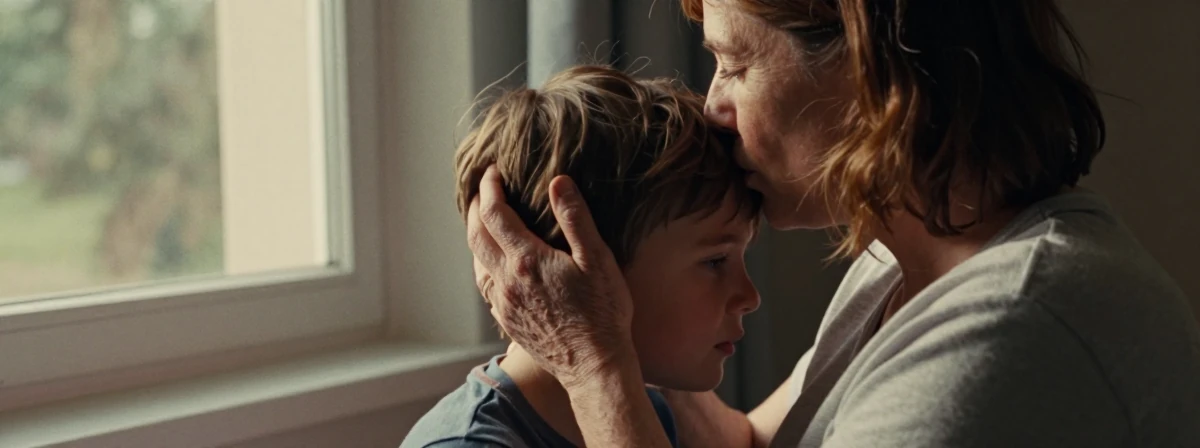
Sometimes, the end comes with a tenderness that cuts deeper than violence. When a mother, dying of the same pancreatic cancer, hallucinated and struggled against her own weakness, her last act was to grasp her son’s head and press a final kiss into his hair. She’d once kissed him until his head smelled like her breath, and now, with her last breath, she did it again. Within hours, she was gone. The moment isn’t just sad. It’s a quiet, terrifying reminder that love and letting go can happen in the same instant.
- The Empty Seat at the Table
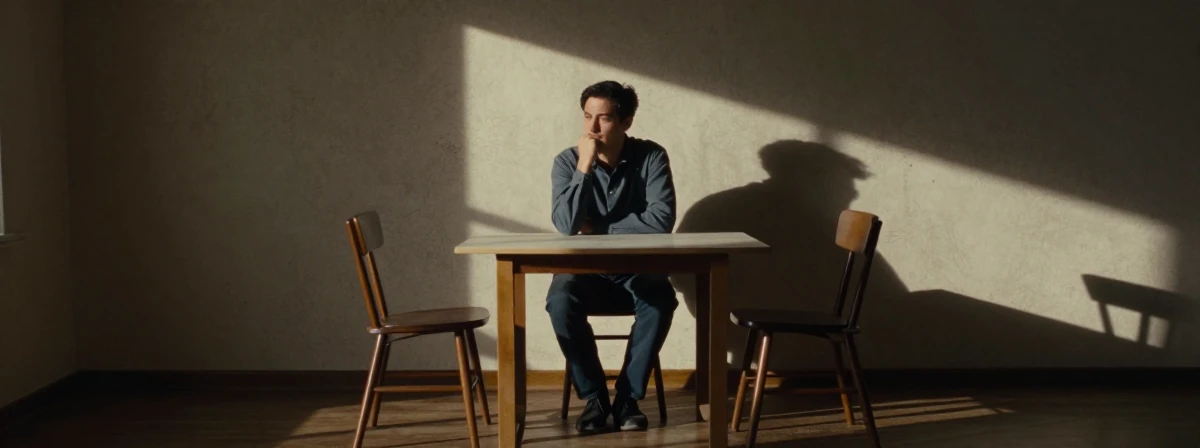
Losing a parent isn’t just losing a person. It’s losing the anchor of your world. One man’s father died last week, and the feeling of exposure is raw. He’s suddenly aware of how much he relied on that unwavering presence—the one person who would do anything for him. Now, there’s just an empty space. The fear isn’t of death itself, but of the sudden, absolute vulnerability that comes when the bedrock of your life cracks.
The First Murder You See
Before you can even grasp what death means, sometimes it slams into your childhood. A little boy watches from the doorstep as an old couple next door is attacked for asking a group to turn down their music. He sees the car exhaust pipe, the blows, the blood. His older brother pulls him away, but the image stays. Historical precedent suggests that witnessing violence at such an age can rewrite your understanding of safety. It’s not just a memory. It’s a lens through which you’ll forever view the world.The Sound of Silence
An active shooter at school isn’t just a news headline. It’s the sudden, deafening silence after shots ring out. It’s hiding in a bathroom, your heart pounding so hard you can’t think. It’s the way a teacher you never imagined capable of violence suddenly becomes a fortress, shoving a filing cabinet across a door and handing you a yardstick. “Me before you, you before them,” he says. At 14, you’re forced to confront your own mortality. The research indicates that such experiences can fundamentally alter a person’s sense of security and trust in the world.The Voice in the Dark
Sleep paralysis isn’t just a strange dream. It’s the terrifying clarity of a booming voice saying, “This is MY house!” It’s the paralysis, the fear, the certainty that something is wrong. For some, these episodes are fleeting. For others, they’re a recurring nightmare that feels more real than waking life. The research indicates that sleep paralysis may be linked to stress and trauma, but the experience itself is universal in its horror.The Foot at the Foot of the Stairs
A five-year-old doesn’t understand heart attacks or paramedics. They understand the image: their grandfather lying dead at the foot of the stairs, blood pooling around his head. The way the white tiles soaked up the red. The sound of their grandmother’s screams. The memory isn’t just of the event. It’s of the innocence lost—the understanding that grown-ups aren’t invincible, that the world isn’t always safe.The Family That Fractures
When the glue holding a family together dies, the pieces scatter. A man’s papa wasn’t his biological grandfather, but the man who raised him and his brothers after abuse, who loved a woman who’d been dealt a bad hand. His death didn’t just end a life. It unraveled a family. The research indicates that the loss of a primary caregiver can have ripple effects across generations, and this was no exception. The gaping hole left behind isn’t just emotional. It’s structural.The Breath That Stops
Watching your newborn child struggle to breathe is a nightmare that doesn’t fade. The panic, the helplessness, the fear that this tiny life is slipping away. It happens twice—once with vomiting blood, once with no breath at all. The terror isn’t just in the moment. It’s in the knowledge that you can’t protect them from everything. The research indicates that parental trauma can have long-lasting effects, but the truth is simpler: some fears never leave you.The Friend Who Doesn’t Wake Up
Some losses are quiet. You walk into a room, and your best friend is just… gone. No warning, no struggle, just an empty space where they should be. The shock isn’t just in the discovery. It’s in the way the world keeps spinning. Six years later, you still reach for your phone to text them. The memory isn’t just of their absence. It’s of the sudden, brutal finality of it all.
The Scholarly Verdict
These aren’t just stories. They’re reminders that fragility isn’t confined to battlefields. It lives in hospital rooms, in family homes, in the split-second decisions that change everything. From an academic perspective, trauma is trauma, regardless of its source. But the civilian kind often lacks the context of combat—no uniforms, no flags, just the raw, unfiltered shock of life’s unpredictability. The moments that haunt us aren’t just the ones we can’t forget. They’re the ones that change how we see the world, how we love, how we fear. And that, perhaps, is the truest kind of battle scar.