
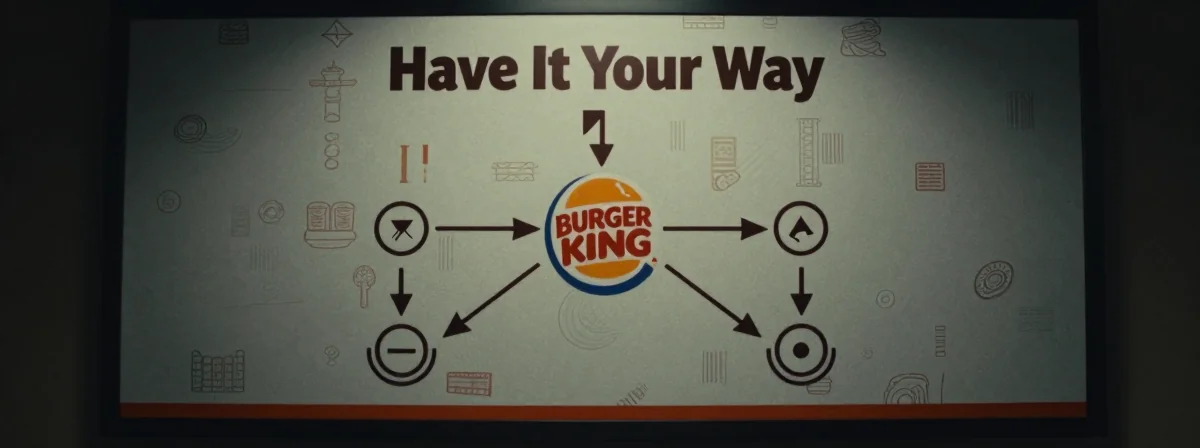
Some of the most powerful tools in the world sound like something a “mall ninja” would say to feel cool. “Psyop” is one of them. It gets thrown around so casually that a Burger King ad or a “no photography” sign somehow gets labeled as one. But peel back the layers—what’s the real evidence here? Let’s walk through the clues together.
The Investigation
- “Psyop” Isn’t Just a Buzzword—It’s a Military Term.

When you hear “psyop,” think psychological operations. These are deliberate efforts, usually by governments or militaries, to influence how a population thinks. The clue? It’s not random. Take Operation Tomodachi after Japan’s 2011 earthquake. The US sent an aircraft carrier to deliver aid—water, blankets, support. The messaging wasn’t accidental. It was carefully crafted to associate the US military with friendship and relief. That’s a psyop in action. Simple as that.
False Flags Are a Subset—Not the Whole Picture.
A false flag is when you do something bad and make it look like someone else did it. Germans dressing as Poles to attack a radio station? Classic false flag. But not all psyops involve violence or deception disguised as someone else’s work. Dropping leaflets over North Korea urging surrender? That’s a psyop without a false flag. The evidence? The goal is manipulation, not just blame-shifting.Mickey D’s Coffee Wasn’t a Psyop—It Was a Lawsuit.
Remember the woman who sued McDonald’s for her burned thighs? Some call it a psyop, but the clues don’t add up. A psyop aims to sway beliefs or ideologies, not just win a court case. This was about damages, not mass manipulation. The distinction? One changes minds; the other changes bank accounts.The Vase Analogy Holds Up—Sort Of.
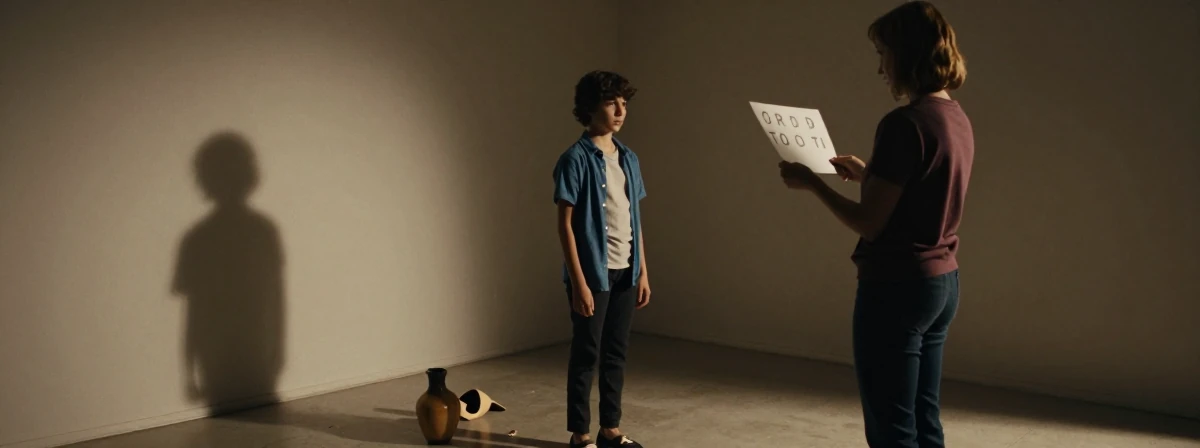
Imagine you break a vase and dress like your sister to blame her. That’s a false flag. Now imagine your mom puts up signs saying breaking the vase means losing the TV privileges. That’s closer to a psyop—convincing you (and your family) of the consequences. The key difference? One is about misdirection; the other is about shaping perception.
Not All Rules Are Psyops—Some Are Just Rules.
A “no photography” sign isn’t a psyop. It’s a rule. The evidence? It doesn’t aim to change your ideology or manipulate your beliefs. It’s about compliance, not conviction. Psyops work on the mind, not just the behavior. That’s the clue you’re looking for.The Burger King Ad? Probably Not a Psyop.
Unless that ad was part of a larger effort to, say, make you associate fast food with patriotism or some hidden agenda, it’s just marketing. The tell? No evidence of a strategic influence campaign. Just a company trying to sell burgers. The difference? One is subtle manipulation; the other is straightforward commerce.Psyops Can Be Subtle—or Blatant.
Russia’s fake news sites targeting US voters? That’s a psyop. A government ad campaign supporting its policies? Also a psyop. The clue is intent: Are they trying to make you think a certain way? If yes, it’s likely a psyop. The spectrum is wide—from covert ops to overt messaging.False Flags Need a Physical Event; Psyops Don’t.
A false flag requires an attack—blowing up a ship and blaming an enemy. A psyop can be virtual. Saying a country has nukes? That’s a psyop. Launching a nuke and blaming another country? That’s a false flag. The distinction? One is about perception; the other is about blame.
Case Closed
So what’s the takeaway? Not every action is a psyop, and not every psyop is a false flag. The real investigation isn’t about labeling everything under the sun—it’s about understanding the intent behind the action. Next time you hear “psyop,” ask yourself: Is this about changing minds or just making an excuse? The answer might surprise you.