
Your daughter’s 18th birthday is 16 years away. You want to save videos and photos to show her then. But what if the storage you choose fails? The evidence suggests most options will let you down. Let’s break down what works—and what doesn’t—when it comes to long-term digital storage.
Why Thumb Drives Are a Ticking Time Bomb for Your Memories
Thumb drives seem convenient, but they’re built for short-term use. What we can verify is that flash memory degrades when left untouched. The data cells wear out over time, especially without periodic access. This remains unconfirmed but highly likely: thumb drives may hold data for only a couple of years before corruption sets in. If you rely on them alone, you risk waking up 16 years later to find your videos unplayable. The only certainty is that thumb drives aren’t designed for archival purposes.
Cloud Storage: Your Best Bet for Longevity—But Not Without Risks
The cloud offers a lifeline. Services like Google Drive, Dropbox, and AWS provide robust infrastructure that can keep files intact for decades. What we can verify is that private videos uploaded to YouTube 15 years ago still play today. However, this isn’t foolproof. You could lose access due to forgotten passwords, service shutdowns, or account inactivity. The solution? Use multiple cloud providers. Spread your files across at least two services, and check them yearly to ensure they’re still accessible. This redundancy is your safety net.
DVDs and Blu-rays: The Optical Media Dilemma
Optical discs seem like a timeless choice, but they come with their own pitfalls. DVDs may last only 10 years in the worst cases, while Blu-rays promise 30–100 years—assuming they’re high-quality, pressed discs. Burned discs (the kind you make at home) degrade faster. The evidence suggests M-Discs are a better option, designed for archival with a 50-year lifespan. But here’s the catch: will you find a player in 16 years? History shows we can still find CD and VCR players decades later, but no guarantee exists. Optical media also risks “disc rot” if stored improperly. Use them, but don’t bank on them alone.
The 3-2-1 Rule: Your Ultimate Archival Strategy
What we can verify works best is the 3-2-1 rule: three copies, two types of media, one off-site. For example:
- One copy on a high-quality external hard drive (check it every few years).
- One copy on cloud storage (verify annually).
- One copy on M-Disc or Blu-ray (stored in a safety deposit box or with a trusted family member).
This approach accounts for hardware failure, obsolescence, and disasters. The evidence suggests no single method is infallible, but multiple methods together drastically reduce risk.
Physical Copies: The Forgotten Archival Powerhouse
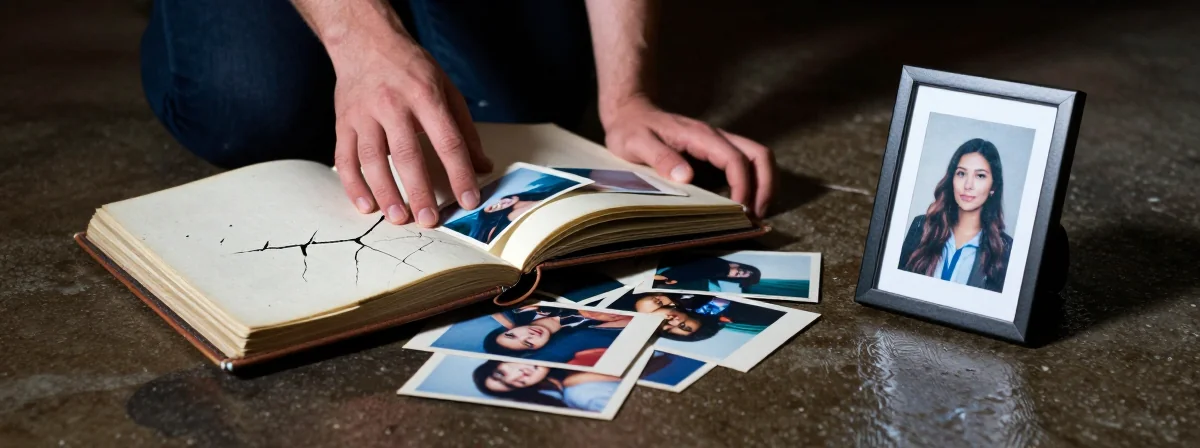
Don’t overlook prints. Archival-quality photo prints can last generations, bypassing digital storage vulnerabilities. They don’t require passwords, accounts, or devices. The evidence suggests prints are the most reliable way to ensure your memories outlast you. Pair them with digital backups, and you’ve created a truly future-proof archive.
The Unspoken Threat: Obsolescence and Human Error
Technology evolves, and so do we. What we can verify is that formats become unreadable over time (think floppy disks or VHS). Even cloud services can vanish if you don’t maintain them. The solution? Periodic migration. Every few years, transfer your files to new devices or updated formats. Set calendar reminders to check your backups. This small effort can save you from catastrophic loss.
The Only Way to Guarantee Your Memories Survive
No single storage method is perfect. The evidence suggests that redundancy, vigilance, and a mix of physical and digital solutions are your best defense. Start now: create multiple copies, store them in different ways, and revisit them regularly. Your future self—and your daughter—will thank you for it.