
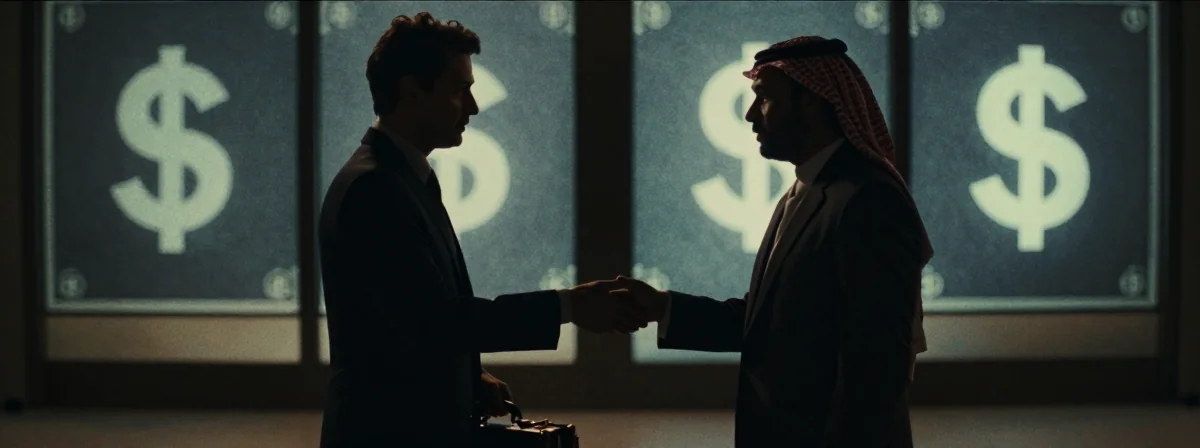
Ever wonder why your gas prices feel like a rollercoaster ride? Or why countries suddenly start speaking in code about “currency swaps”? Well, buckle up, because there’s a quiet revolution happening in the world of money—one that could make the U.S. dollar feel less like the king and more like a slightly worried prince.
The U.S. dollar has been the undisputed heavyweight champ of global trade for decades. But lately, some clever folks have been whispering about a sneaky move: trading oil in currencies other than the greenback. It’s like the cool kids in school suddenly deciding to ditch the popular table for a smaller, edgier clique. And guess who’s leading the charge? Iran, with a side of China and India.
Let’s break this down like we’re talking about a game of Monopoly, but with way more at stake.
Why Would Anyone Ditch the Dollar for Oil?
Imagine you’re at a garage sale, and the seller only takes quarters—even though everyone else takes credit cards. That’s kind of what the U.S. dollar has been for oil trading. Everyone’s used to it, so why change? Well, for starters, some countries are tired of playing by Uncle Sam’s rules. Iran, in particular, has been playing a high-stakes game of “let’s find another way to sell oil” because, let’s face it, sanctions suck.
So, Iran started saying, “Hey, China and India, wanna buy oil but pay in your own currencies?” And China, being the savvy shopper it is, said, “Sure! Why not pay in Yuan instead of dollars?” India, not wanting to be left out, jumped in too. It’s like they’re all saying, “We’ll still buy the oil, but we’re not bringing dollars to this party anymore.”
The kicker? This isn’t just about being rebellious. It’s about practicality. Paying in Yuan means China can keep its oil flowing without dealing with U.S. banks that might freeze accounts. It’s like finding a backdoor to the club when the bouncer’s being a jerk.
How Does This “Fuck You” to the U.S. Actually Work?
Okay, let’s get real. When Iran says the Yuan requirement is an “extra little fuck you to America,” they’re not just being dramatic. This move is like poking a bear with a stick—but the bear is the U.S. dollar, and the stick is economic defiance.
Here’s the deal: The U.S. loves being the world’s reserve currency because it means everyone needs to keep dollars in their vaults. This creates massive demand for U.S. debt, which keeps interest rates low. But if countries start trading oil in other currencies, they don’t need as many dollars. Suddenly, the U.S. has to pay more to borrow money, and that 6% GDP deficit? Yeah, that’s going to sting.
Think of it like this: The U.S. has been hosting the world’s biggest potluck, and everyone brings dollars to trade for food. Now, some guests are starting to trade food directly with each other, bypassing the host. The host suddenly has fewer dollars, and the party’s not as fun anymore.
Who’s Winning From This Mess? Spoiler: It’s Not Just Iran
While the U.S. is sweating, regime-friendly oil companies are practically doing cartwheels. Why? Because when oil isn’t priced in dollars, prices can get jumpy. And jumpy prices mean higher profits for those who know how to play the game. It’s like when your favorite stock suddenly spikes—except this time, it’s not just about luck; it’s about geopolitics.
And let’s not forget the “petrodollar” system. The U.S. has relied on this for decades to enforce sanctions, but if oil trading shifts, sanctions lose their punch. It’s like a teacher who can’t give detention anymore because the kids found a loophole.
Why This Matters More Than You Think
So, what does this all mean for you and me? Well, if the dollar’s dominance wobbles, it could mean higher prices for everything from gas to groceries. It could mean the U.S. has less leverage in global politics. And it could mean we’re witnessing the start of a new era in economics—one where the U.S. dollar isn’t the undisputed champ anymore.
But here’s the twist: This isn’t just about economics. It’s about power. Countries are realizing they don’t have to play by the U.S.’s rules forever. And while that might make some people nervous, it also opens the door for a more balanced (or at least, more chaotic) world order.
In the end, this currency swap isn’t just a financial move—it’s a statement. It’s saying, “We’re tired of being told how to trade, and we’re finding our own way.” And whether that’s good or bad? Well, that’s a debate for another day. But one thing’s for sure: the world of money is about to get a whole lot more interesting.