
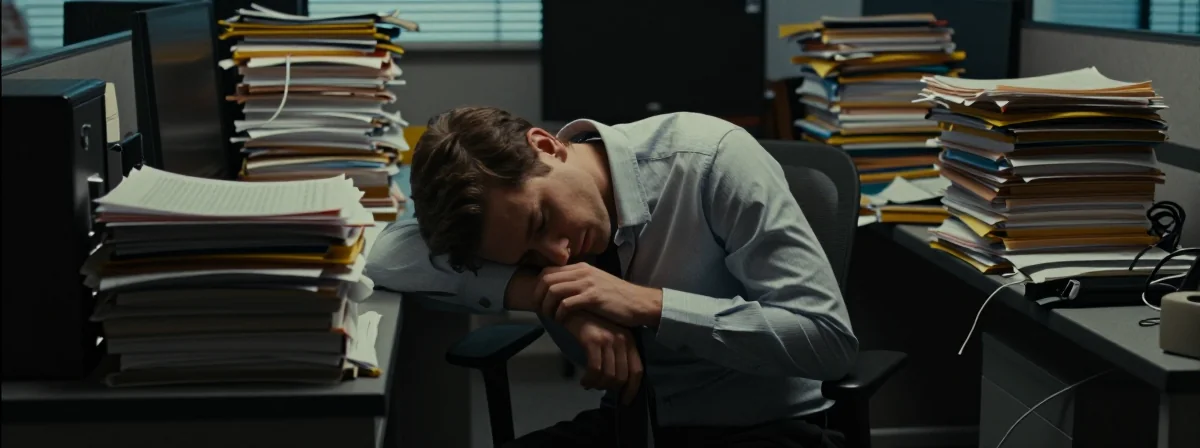
Ever feel like you’re running on a hamster wheel at work? You’re putting in more hours, tackling more tasks, and somehow still ending up with that sinking feeling that you’re not getting ahead. It’s like you’re swimming upstream, and no matter how hard you swim, you’re not making progress. We’ve all been there, right? That moment when you realize that working harder isn’t the same as working smarter, and that the system might be designed to keep you busy, not necessarily productive.
I remember the day it clicked for me. I was staying late, answering emails, and doing extra tasks, thinking I was on the fast track. Then I saw my colleague, who seemed to breeze through his day, getting promoted. It was a wake-up call. The game isn’t what you think it is. And honestly? Most people don’t tell you this stuff until you’ve already been playing the wrong game for years.
Why Working Harder Doesn’t Always Equal Success
Let’s be real: the old adage “work hard, get ahead” is a myth in many workplaces. I’ve seen it time and time again—people burning the midnight oil, taking on extra projects, and what do they get? More work. No raise. No recognition. Just the expectation that this is the new normal. It’s like being on a treadmill that keeps speeding up. You’re running faster than ever, but you’re not going anywhere.
The truth is, many workplaces reward busyness over actual productivity. They want to see you look busy, not necessarily get things done efficiently. It’s a game of appearances. And if you fall for it, you’ll end up exhausted, frustrated, and wondering why you’re not moving forward. The real winners in this game? The ones who’ve figured out how to look busy while actually working smarter.
The “Busy Trap” And How To Escape It
You know that feeling when you’re swamped with tasks, meetings, and emails, but at the end of the day, you can’t point to anything substantial you’ve accomplished? That’s the busy trap. It’s when you’re so caught up in the day-to-day grind that you lose sight of what actually matters. You’re responding to every little request, attending every pointless meeting, and before you know it, your day is gone.
The escape? Prioritize ruthlessly. Identify the one or two key people you need to keep happy and focus your energy there. Everything else? Let it slide. It sounds harsh, but in today’s workplace, you can’t please everyone. You have to be strategic about where you invest your time and energy. Otherwise, you’ll end up spread thin, overworked, and underappreciated.
The Myth Of Being Indispensable
There’s a dangerous myth floating around that if you work hard enough, you’ll become indispensable. That your boss will rely on you so much that they can’t imagine life without you. I bought into this for years. I poured my heart and soul into my work, thinking that one day, my efforts would be recognized and rewarded.
Then I learned the hard way: no one is indispensable. That identity you give yourself? It’s just that—a self-created identity. The reality is, most workplaces can replace you if they need to. And if you’ve built your entire career on being the go-to person, what happens when you’re gone? They’ll find someone else. It’s a harsh truth, but it’s one that can set you free.
The Quiet Quitting Revolution
You’ve probably heard the term “quiet quitting” by now. It’s not about actually quitting your job; it’s about doing the bare minimum required. It’s about recognizing that the system is rigged against you and deciding to opt out of the race to the bottom. And honestly? It’s a revolution that’s long overdue.
I remember the first time I tried it. I focused only on what was actually expected of me, let the extra tasks slide, and guess what? Nothing bad happened. My boss didn’t notice. My colleagues didn’t care. The sky didn’t fall. It was a revelation. I realized that I’d been working myself into the ground for nothing. And that’s when I started working smarter, not harder.
The Power Of Saying “No”
This is probably the most important truth of all: you have the power to say no. No to extra projects. No to pointless meetings. No to tasks that don’t align with your actual job description. It sounds simple, but it’s revolutionary in a workplace culture that values yes-men and busywork.
I used to think saying no would make me look bad. That I’d be seen as difficult or uncooperative. But then I saw someone do it, and it worked. They set boundaries, communicated clearly, and guess what? People respected them for it. It was a game-changer. And it’s a power that’s available to you, too.
It’s Time To Work Smarter, Not Harder
The bottom line? The workplace isn’t what you think it is. It’s not about working harder; it’s about working smarter. It’s about recognizing the game for what it is and deciding how you want to play. Do you want to keep running on that hamster wheel, burning yourself out for nothing? Or do you want to step off, reassess, and start working in a way that actually serves you?
The choice is yours. And the sooner you realize this, the sooner you can start enjoying your work again—without the burnout, the frustration, and the feeling that you’re not getting anywhere. It’s time to work smarter, not harder. And it’s time to start today.