
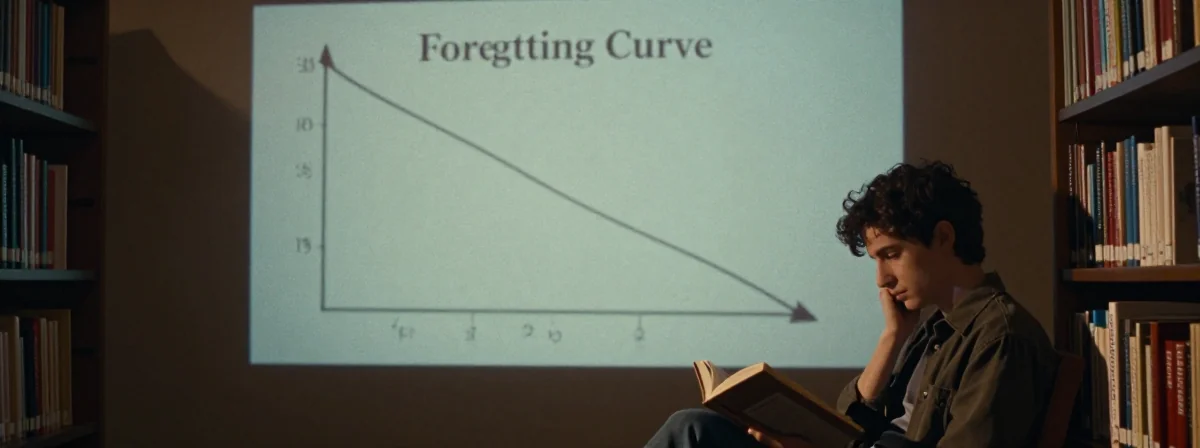
You finish a book, close the cover, and immediately feel that familiar question: “Wait, what was it about again?” The plot dissolves like morning mist, leaving only the ghost of enjoyment behind. We pour hours into stories, articles, even self-help books — only to watch the details slip through our fingers like sand. It’s not just you. It’s not just me. It’s the way our brains work.
This isn’t a failing. It’s a feature of a mind designed to hold onto what matters and let go of the rest.
Going Deeper
Your brain is a leaky sieve, not a filing cabinet. Think of memory like a river — constantly flowing, carrying some things downstream while leaving others behind. That 90% loss over a month isn’t a bug; it’s how we manage the constant flood of information. Our ancestors didn’t need to remember every squirrel they saw, just the patterns that kept them alive. Today, we’re drowning in details, and our brains are doing exactly what they evolved to do: filter ruthlessly.
Audiobooks are the Bermuda Triangle of memory. There’s something about passively listening that turns our minds into driftwood. I’ve driven for hours with an audiobook playing, only to realize I’ve been planning my grocery list for the past 20 minutes. Physical books demand a different kind of attention — the turning of pages, the tracing of words with your eyes. It’s like the difference between being told a story and watching someone draw it. One is passive, the other participatory.
ADHD isn’t just about bouncing off the walls — it’s about the walls bouncing off your attention. For those with ADHD, the forgetting curve isn’t a gradual slope; it’s a cliff. I know someone who can listen to an audiobook for 30 seconds before their mind has already wandered to three different tangents. It’s not willpower — it’s wiring. And that’s okay. The brain that forgets easily is often the same one that makes unexpected connections when it does latch onto something.
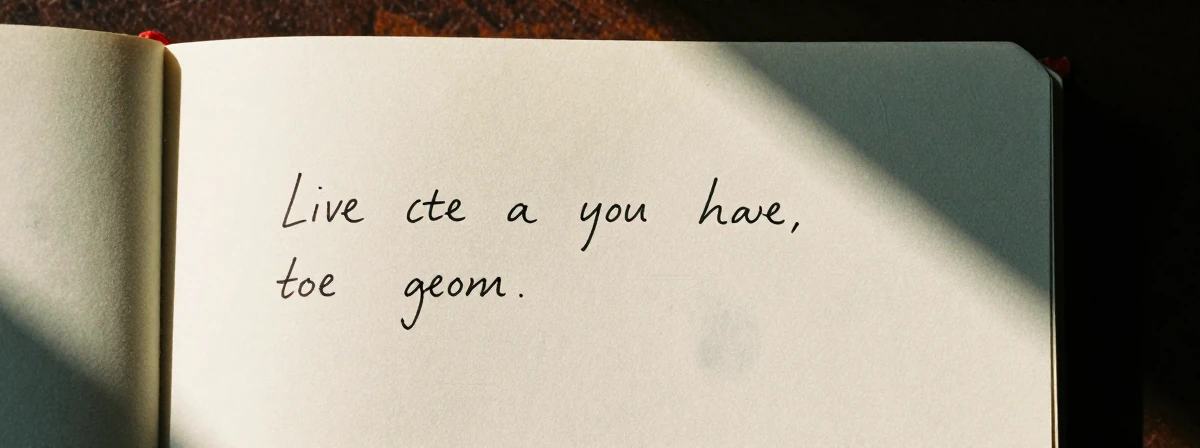
- The forgetting curve is your secret weapon. Remember when you aced that test by cramming the night before? That’s because you created a reason to remember. When we read for pleasure, we’re not creating those memory anchors. Our brain thinks: “This isn’t a threat, this isn’t a reward, this isn’t a tool — so why keep it?” The next time you finish a book, try this: jot down one sentence that resonated. That small act of intention can make all the difference.
We forget more as we age — and that’s a blessing in disguise. Time feels like it speeds up because we’re not experiencing as many novel events. Our brains optimize by letting go of routine details. Think about it: if you remembered every single commute, every meal, every mundane task from the last decade, you’d have no space left for what’s new. Forgetting isn’t a loss; it’s the pruning that allows new growth.
The 70% number is less important than the why. Whether it’s 70% or 90%, the point isn’t the exact percentage. It’s that our brains aren’t designed to be perfect record-keepers. They’re designed to be efficient. When you read something and forget it, you haven’t failed — you’ve participated in the natural rhythm of absorption and release. Like a squirrel burying nuts and forgetting where they put them, we’re planting the seeds of future ideas without even knowing it.
Maybe you don’t need to remember everything. Before the internet, we needed to memorize phone numbers, directions, even entire recipes. Now? We just search. Our brains are adapting to a world where recall is less necessary. The skill that matters now isn’t perfect memory, but the ability to know what to search for, what to trust, and what to let go of. That’s a more valuable superpower than perfect recall ever was.
What to Remember
Forgetting what you read isn’t a personal failing. It’s the natural rhythm of a mind that’s too busy living to become a human library. The next time you finish a book and can’t recall the plot, don’t beat yourself up. Instead, ask: what did this experience feel like? What emotion did it leave behind? Because sometimes, the feeling is the point, and the details were always just scaffolding.
Our brains are designed to forget the unimportant. Maybe the real challenge isn’t fighting this tendency, but learning to guide it — choosing what we want to remember, and letting the rest fade away like the closing credits of a movie we enjoyed.