
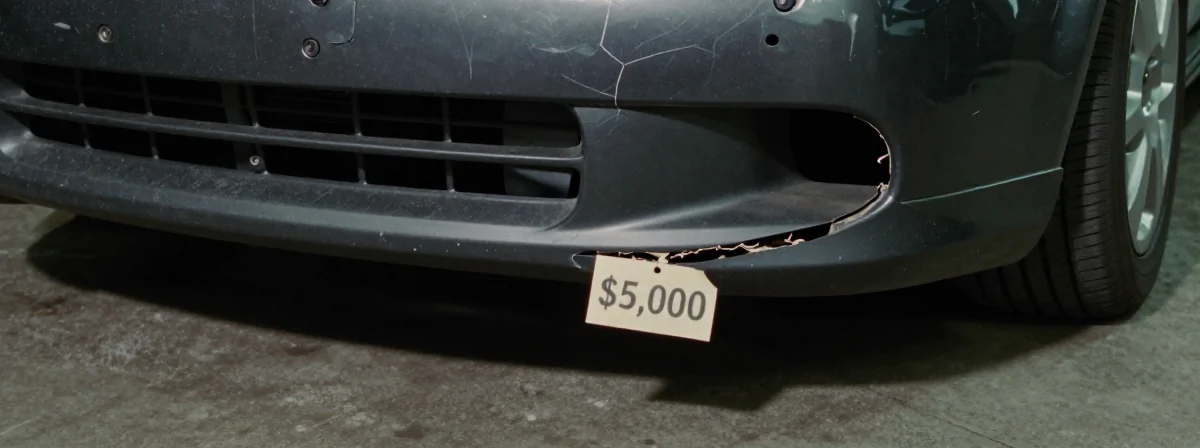
You know that pristine, body-colored bumper on your new car? Yeah, the one you’re pathologically afraid of scratching? It’s basically a $5,000 piece of plastic designed to look nice until it gets destroyed. Then you get to pay for the replacement. Simple, right?
Let’s talk about the absurdity of modern bumpers—because if you’ve ever parallel parked in a city, you know this is personal.
Let’s Be Honest
You thought those chrome monsters on 1970s Cadillacs were ridiculous? They were. But at least they could actually take a hit. Today’s “bumpers” are the automotive equivalent of those plastic toy shields kids wave around—looks convincing until someone actually swings.
1. The Great Deception: What We Call a Bumper Isn’t a Bumper at All
Remember when bumpers were actual bumpers? Like, chunks of steel that could absorb a parking lot love tap without flinching? Those were the days. Modern cars have traded actual protection for an aesthetic facade. The real bumper—the steel or aluminum reinforcement bar—is hiding behind that expensive plastic shell, waiting for the day it gets to do its job by crumpling like a cheap suit.
2. Crumple Zones: The Automotive Version of a Paper Towel Commercial
Modern cars are designed to fall apart gracefully. It’s like those commercials where the paper towel stretches and absorbs instead of ripping—except your car’s bumper is the paper towel, and the $2,000 repair bill is the price of the next box. When your bumper crumples, it’s doing its job: absorbing energy that would otherwise send you through the windshield. It’s just too bad it looks so damn ugly doing it.
3. Pedestrian Safety: The Unintended Consequence of Pretty Bumpers
Want to know something delightful? Those giant SUV bumpers that scrape your knees when they park? They’re actually designed to hit pedestrians in the torso instead of the head. Because nothing says “I care about safety” like aiming for the liver instead of the skull. It’s like a twisted game of Operation—except the patient is anyone unfortunate enough to be near your vehicle.
4. The 5-MPH Myth: When Bumper Standards Went From “Tough” to “Totally Useless”
Back in the day, cars had to survive 5 mph crashes without damage. Now? The standard’s dropped to practically nothing. Which is great if you like the sound of your bank account crying. The logic is sound: better the bumper than your spine. The execution is just… expensive.
5. Urban Warfare: Why Parisians Embrace the Scratched Bumper
Ever watch locals in cities like Nice or Rome park? They’re not playing the bumper game—they’re playing the “let’s all have slightly scratched bumpers” game. Because in tight spaces, some damage is inevitable. The difference? They accept it. You, on the other hand, probably have a full-body car cover for your garage. Priorities, people.
6. The Aftermarket Solution: When People Actually Need a Real Bumper
Off-road vehicles have the right idea. They bolt on actual bumpers—steel monstrosities that could probably push a small house. Because if you’re going to bash into things, you might as well do it with something that won’t cost a mortgage payment to fix. The rest of us? We get to admire from afar while our plastic fascias crack at the slightest provocation.
7. The Single Best Thing About Modern Bumpers: They’re Replaceable (At a Price)
Here’s the silver lining: when your bumper’s done its job (i.e., it’s now a crumpled mess), you can replace it. For the low, low price of approximately “a week’s worth of groceries.” It’s the automotive equivalent of those “as seen on TV” gadgets that break the first time you use them—except this time, you actually need the replacement.
Food for Thought
Your car’s bumper is a symbol of everything wrong with modern consumerism: designed to fail, priced to gouge, and sold with the promise of “safety” that only materializes when it’s too late. The next time you park, take a look at that pristine bumper. Then imagine it as a $5,000 invitation to disaster. It’s not just a bumper—it’s a lesson in why we keep paying for things that were better left simple.