
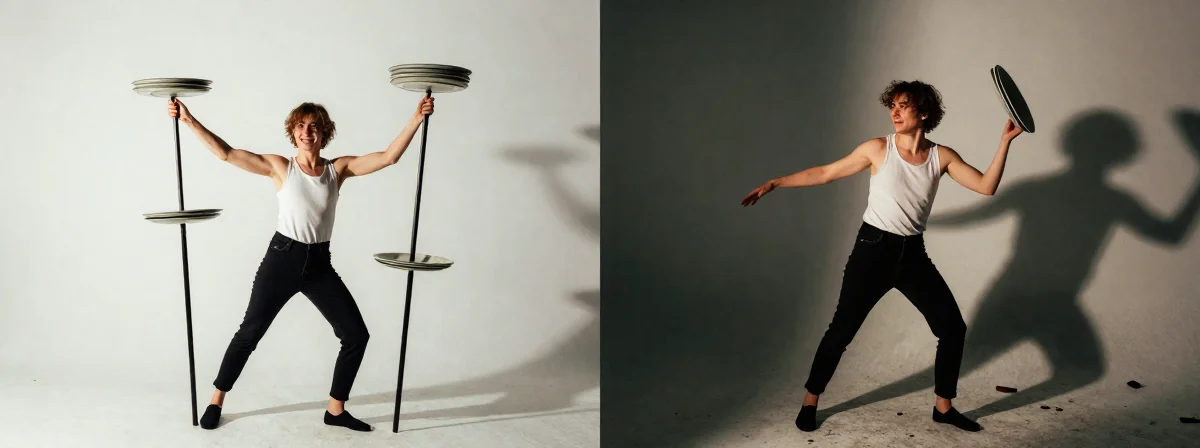
You know that feeling when you’re lying in bed, staring at the ceiling, and suddenly realize you won’t actually fall asleep until 3 AM — even though you have to be up at 7? That’s the same moment of dawning realization you get when you discover that something you assumed was simple is actually incredibly hard. We all overestimate our abilities until we’re forced to prove them. Here’s what you’re in for.
Performance Analysis
Sleeping when you’re stressed is the ultimate illusion of control
You’ll lie there, wide awake, stressing about how you need to sleep. The more you try to force it, the more awake you become. The trick isn’t to try harder — it’s to stop trying at all. Sometimes the only way to fall asleep is to get up, do something mindless (but not involving your phone), and wait for exhaustion to finally take over. It’s a cruel joke of biology that the harder you fight it, the worse it gets.Swimming in deep water will remind you what cardio actually feels like
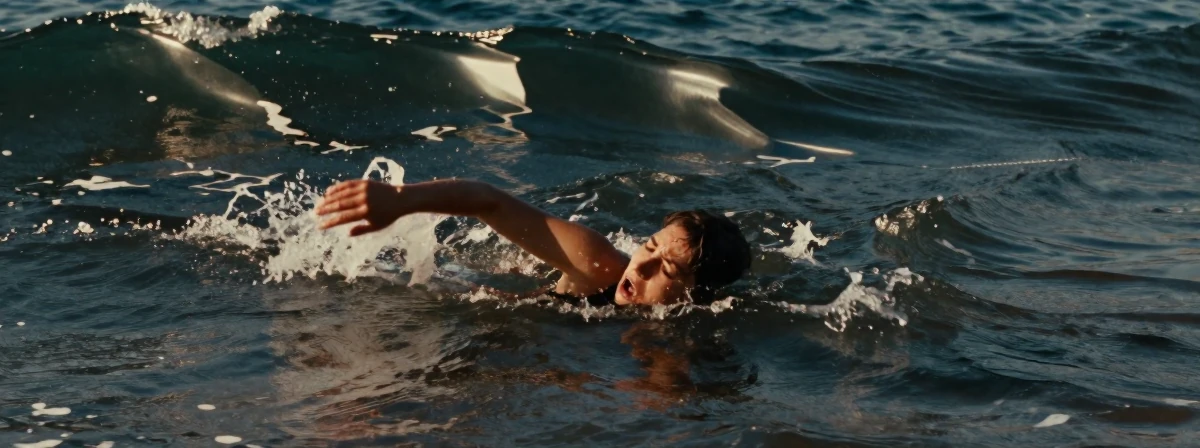
Everyone thinks they can swim until they’re suddenly in water over their head, gasping for air after 15 seconds. There’s a massive difference between splashing around in a pool and actually swimming for survival. Add waves, cold water, or a tipped canoe in the middle of a freezing lake, and you’ll quickly understand why those childhood swimming lessons were so brutal. Endurance in water isn’t just about muscle — it’s about knowing how to conserve energy when you’re fighting against it.
- Tai Chi will destroy your legs even though it looks like meditation
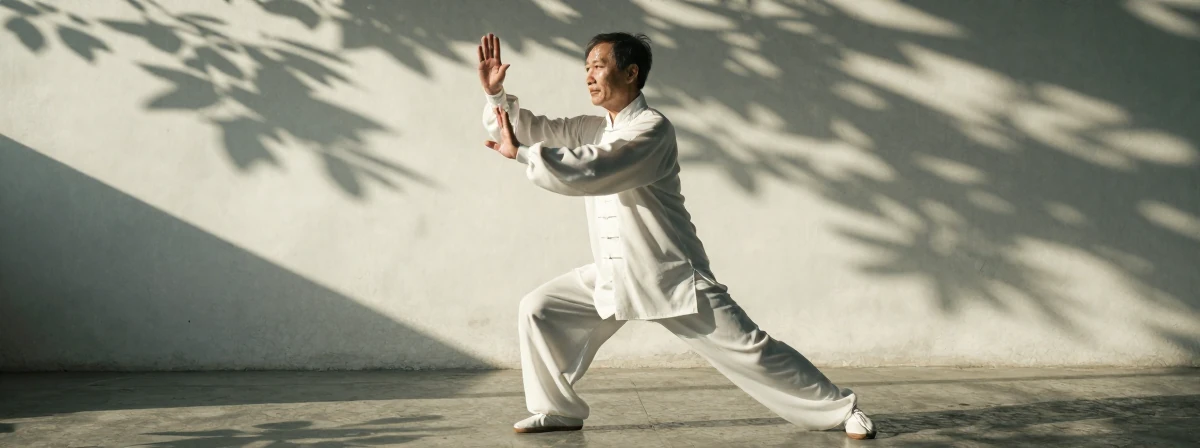
Moving between those slow, deliberate poses might look effortless, but try holding a semi-crouched stance for more than a minute. The constant transitions between weight shifts and micro-adjustments will have your quads burning in ways you didn’t know were possible. Oh, and those “easy” movements? They’re actually disguised martial arts techniques — which is why they feel so unnatural until you understand the hidden purpose. Moving between poses in the right order hides blocks and strikes. Many of the moves are disguised martial arts techniques — which is why they feel so unnatural until you understand the hidden purpose.
Reading off a teleprompter without sounding like a robot is an art form
Any version of reading out loud is deceptively hard. Whether it’s a teleprompter, a script, or even just giving a presentation, you have to keep it flowing the whole time — no dead air, no “umms” or “aaahs.” It’s like walking a tightrope where the only safety net is muscle memory. The moment you forget a line or stumble, it feels like everyone in the room heard it. It takes practice to sound natural when you’re literally just reading words.Golfing is way more complicated than pressing “A” on a controller
Had a friend who was a pro at PGA Tour ‘95 on Sega and claimed he’d be great at real golf. He shot a 200 over 9 holes. The disconnect between video games and reality is staggering. Golfing with a controller is nothing like taking an actual swing — the weight of the club, the follow-through, the tiny adjustments in grip pressure. Even at a mediocre level, it’s a full-body coordination test that looks easy until you try it. And don’t get me started on the mental game.Playing drums is like patting your head and rubbing your stomach — on fire
As a musician who’s played guitar, bass, and piano for 30 years, I thought I’d pick up drums easily. My hand-feet coordination is abysmal. Keeping time with both hands AND feet while maintaining a beat is like standing on your non-dominant leg, spinning counter-clockwise, and doing the cha-cha with your dominant leg — all while rubbing your tummy. It’s a full-body coordination nightmare that looks easy until you try it. And don’t let anyone tell you it’s just “hitting things.”Riding a horse isn’t just sitting there — it’s a full-body workout with a mind of its own
People think riding is just sitting on an animal and letting it do the work. A trail ride at a walk isn’t too bad — but guaranteed, you’ll be in pain the next day, and your legs will hurt like hell. Actual riding like dressage or jumping? That’s cardio, balance, coordination, and strength all rolled into one. Oh, and don’t forget the horse has its own brain and personality. “It’s like riding a motorcycle that hates you,” as Dana Gould put it. The horse will teach you humility in ways you never imagined.Pull-ups look easy until you try one — and then you can only do one
Pull-ups are “easy” when someone who can do them demonstrates. When you try, you’ll likely struggle to even get one rep. It’s “easy” if you have a decent amount of muscle while being lean enough to be lightweight. If you’re underweight, it’s harder. If you’re big and strong, it’s harder. But it’s still tricky to learn — most people have no idea how to actually use their back muscles to pull. It takes practice over time to figure out the right muscle engagement.Parallel parking is a precision dance until someone honks behind you
Parallel parking looks easy until there’s one car behind you and suddenly you forget how hands work. The calm, methodical movements you practiced become a frantic scramble when pressure is applied. It’s like driving suddenly becomes a high-stakes game of Tetris where the pieces are moving faster than you can react. The moment you feel rushed, everything goes wrong. It’s a skill that requires calm under pressure — which is exactly when you need it most.Baking is chemistry, not cooking — and one wrong move ruins everything
Baking looks simple: “Oh, they’re just cookies!” But baking is more about chemistry, precise measurements, and paying attention to every step. There’s a reason you cream the butter and sugar together — and if you just slap it all in one bowl loosely measuring, it becomes a mess. The “why” behind each step matters. For instance, overmixing can make your cake tough, and undermixing can leave lumps. It’s not about creativity; it’s about execution. One wrong move, and you need to try again.
Final Thoughts
The hardest lessons aren’t the ones we learn from failure — they’re the ones we learn from assuming we already know how to do something. The moment you realize that something you took for granted is actually a skill worth learning, you’ve already started the process of getting better at it. The next time you see someone effortlessly doing something that looks easy, remember: they’ve probably spent years perfecting it in ways you can’t even imagine. Maybe it’s time to stop assuming and start learning.