
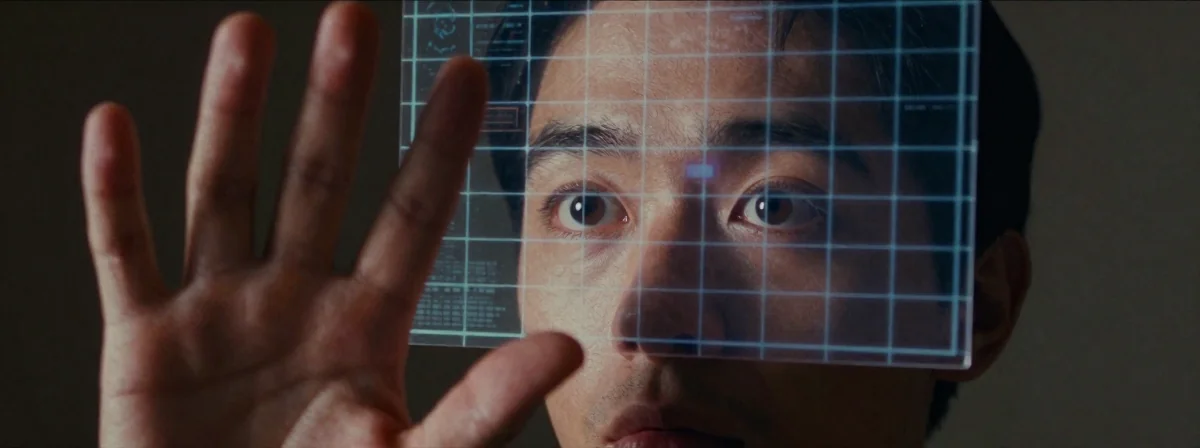
You scroll through your feed, maybe looking for a quick laugh or some niche hobby content, and suddenly—bam. You’re staring at a video that makes you wonder how you got here. That’s not random. That’s the algorithm doing its job, and it’s doing it too well. You’re not just consuming content; you’re being curated, shaped, and sometimes even manipulated by lines of code that know you better than you know yourself. Let’s break down what’s really going on.
What the Numbers Mean
You’re Not Just Browsing—You’re Training a Robot. Every click, every second you linger on a video, every “Not Interested” button you press (which, ironically, adds it to your history) is data. The algorithm isn’t just guessing; it’s learning. It’s watching you like a hawk, noting what keeps you hooked and what makes you swipe away. It’s not about what you want to see—it’s about what it predicts will keep you glued to the screen. And it’s getting better at predicting that every day.
The “Delete History” Button Is Your Secret Weapon. You think clearing your watch history will reset things? Try it. Go to your YouTube history right now and delete everything. Notice how your suggestions go quiet for a bit? That’s because the algorithm’s lost its map. It’s like erasing the directions in a GPS—now it has to figure out where to go again. Do this regularly, and you’ll see a difference. It’s not a perfect fix, but it’s a start.
The Algorithm Thinks You’re a Single Note. Ever notice how one weird interest can suddenly take over your feed? Maybe you watched a few rug-washing videos out of curiosity. Next thing you know, your entire feed is screaming about pressure washers. Or maybe it’s sovereign citizen content, or political rants, or whatever niche thing you dabbled in. The algorithm doesn’t see you as a whole person; it sees you as the most engaging thing it can serve you. It’s not about variety—it’s about maximizing your attention.
“Not Interested” Is a Trick. You press that button thinking you’re telling YouTube to back off. But you’re not. You’re just adding another data point: “User actively rejected this.” The algorithm might take a small step back, but it’s still learning from your rejection. It’s like telling a salesperson “no thanks”—they’ll just try a different angle. The real power is in deleting the history altogether, not just signaling disinterest.
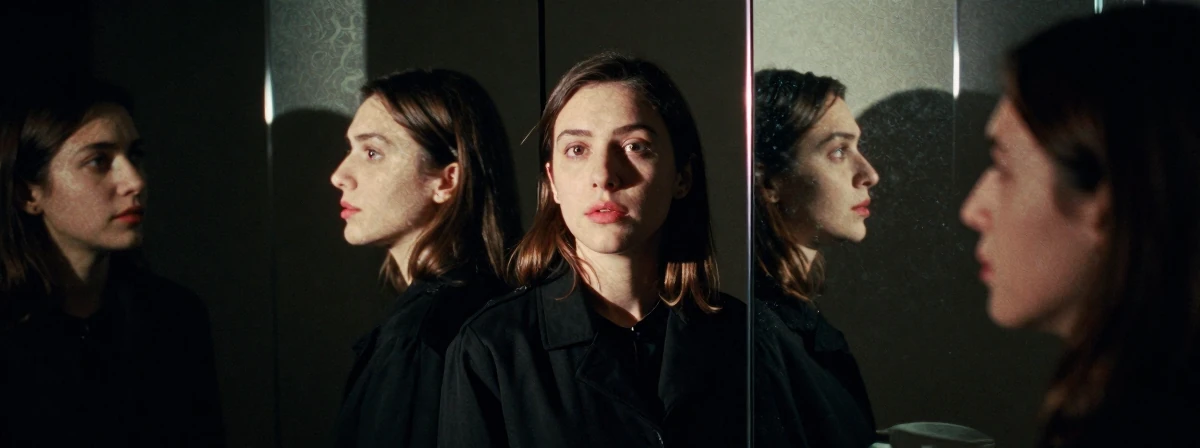
Your Feed Is a Hall of Mirrors. You click on something political, and suddenly your world is polarized. A Republican engages with right-wing content, and the algorithm floods them with more of it—making them think their views are mainstream. Same for Democrats. It’s not that the other side doesn’t exist; it’s that the algorithm has built you a reality where your side is all that matters. This isn’t just about YouTube; it’s Twitter, Facebook, Reddit, everywhere. The digital world is reflecting back what you’ve shown interest in, amplifying it until it feels like the only truth.
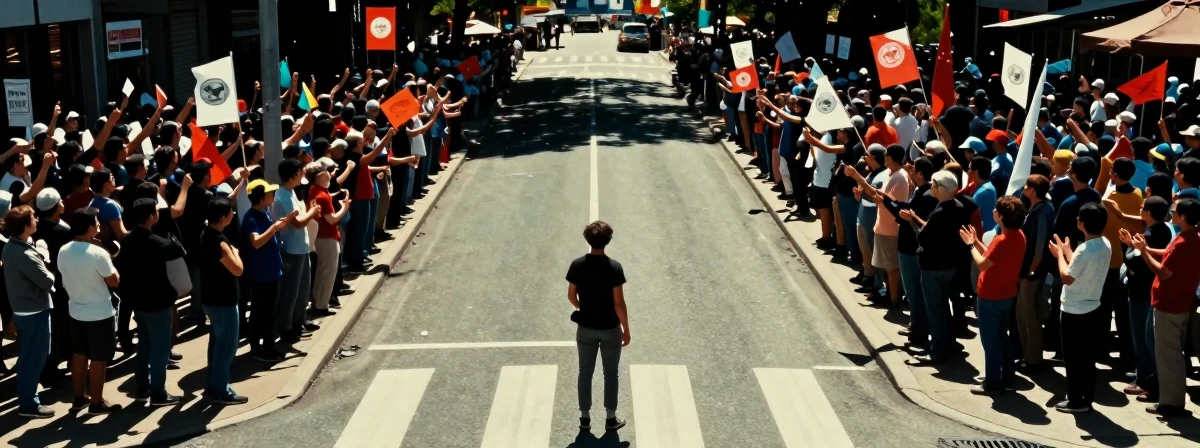
Even Neutral Content Gets Radicalized. It’s not just politics. Try this: watch a few videos about, say, car detailing. Like a couple. Suddenly your feed is 50% car stuff. It doesn’t matter if it’s political or not—the algorithm sees engagement and doubles down. It’s the same mechanism that pushes extreme content, just on a smaller scale. Your interests, no matter how harmless, can be weaponized by the algorithm to keep you coming back.
The Algorithm Doesn’t Care About You—It Cares About Time. This is the cold truth: the algorithm’s goal isn’t to serve you well. It’s to keep you on the platform as long as possible. That means showing you things that trigger your curiosity, your anger, your fascination—whatever keeps your eyes on the screen. It’s not your friend; it’s a Skinner box. And you’re the lab rat.
Bottom Line
You’re not just a passive consumer anymore. You’re an active participant in a system that’s designed to shape your reality. The good news? You have more control than you think. Delete your history. Search for things you actually want to see. Be deliberate about what you engage with. It’s not about fighting the algorithm—it’s about understanding how it works and taking back the reins. Because if you don’t, it’ll keep renting out your brain, and you’ll wonder how you got so lost in the noise.