

Some days, you walk into a meeting expecting spreadsheets and deadlines — and instead, you witness nature’s most chaotic performance. Think about it: a room full of professionals, ready to discuss quarterly reports, suddenly frozen by the sight of flies being… well, taken down. By a hawk. Right outside the window. It all makes sense now! The universe has a way of reminding us that life is wild, unpredictable, and sometimes, utterly bizarre. And when you start digging into why that hawk was so high up, or how those flies got there in the first place, you uncover a whole world of secrets about bugs, buildings, and the thin air between us.
Once You See It…
Hawks Have the Best Office Views
Ever watch a hawk soar? It’s like they’re the CEOs of the sky, surveying everything below. That Pensacola meeting? The hawk wasn’t just passing by — it was hunting. And those flies? They were probably just trying to find a snack. Nature’s brutal, beautiful, and always watching. What if I told you that the same hawk could spot a single fly from hundreds of feet away? It’s not magic — it’s just incredible focus. Wild, right?Blue Angels? More Like Blue Distractions
Who needs a lunch break when you can watch fighter jets doing loops over your head? That Pensacola story isn’t just a funny anecdote — it’s proof that sometimes, the most amazing things happen when you least expect them. Think about it: a room full of people, suddenly gazing at the horizon like kids at a carnival. Life’s best moments often come when you’re not looking for them.Spotted Lanternflies? No Hot Dog Safe From Them

Those spotted lanternflies are like the party crashers of the insect world. They’ll eat anything, and they’ll get anywhere. Someone mentioned hiding a hotdog up your sleeve? Trust me, if there’s a lanternfly nearby, it knows. These bugs don’t play by the rules — they’ll hitch a ride on your luggage, sneak into your home, and even survive at altitudes you wouldn’t believe. What if I told you they’ve been found miles up, clinging to planes like tiny, stubborn hitchhikers?
- Bug Splatter at 15,000 Feet? The Final Frontier of Insects
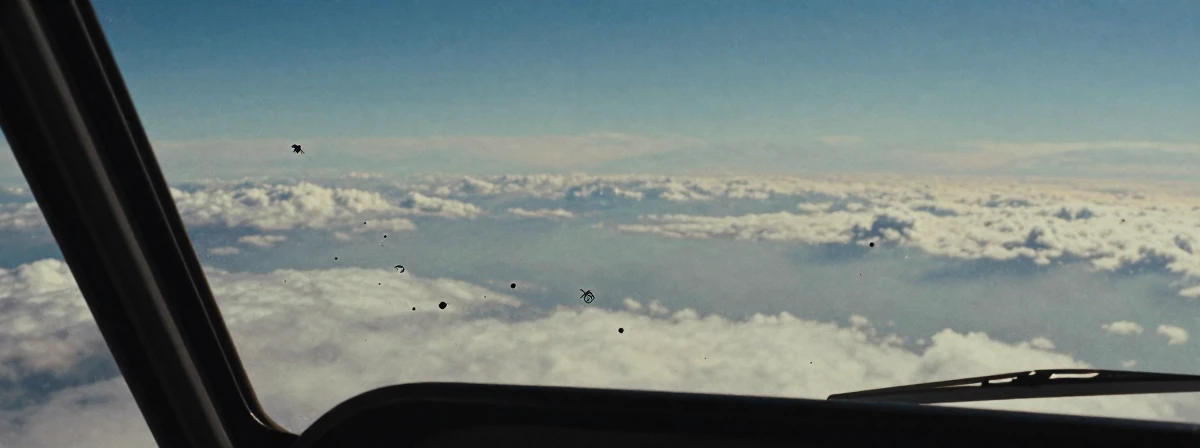
You think bugs stay grounded? Think again. Pilots will tell you that even at cruising altitude, where the air is so thin you’d need oxygen to breathe, there’s still bug splatter on the windshield. How? Updrafts, mostly. Storms can send insects soaring to incredible heights, and some are so tenacious they don’t come down until they hit a plane. It’s like a bug lottery — the winners get squished at 30,000 feet.
Lando’s Floating City Had a Bug Problem Too
Remember Cloud City in Star Wars? Turns out, if that place was real, it’d have a serious pest control issue. Why? Because bugs can survive where you’d least expect them. Even in a gas giant’s atmosphere, a few fruit flies could hitch a ride on supplies and start breeding. It’s not science fiction — it’s basic biology. Bugs will find a way, no matter how high or how far.The Mile-High City Isn’t Bug-Free — And Neither Is Everest
Living in a city a mile above sea level? You still get flies. Hiking a 14,000-foot peak? You’ll find them there too. The real limit isn’t oxygen — it’s endurance. A fly could theoretically survive at 40,000 feet, but could it fly that high? Probably not on its own. But give it an elevator, a draft, or a ride in a delivery truck, and suddenly that skyscraper’s top floor isn’t so safe. The truth? There’s no height that bugs can’t reach — they just need a little help.Elevators Are the Secret Superhighway for Flies
Those little buzzing pests aren’t just climbing walls. They’re taking the elevator. Seriously. If a fly can get inside a building, it’ll ride the elevator to the top floor without breaking a sweat. And once it’s there? It’ll find a way to your window. Think your high-rise apartment is safe? Think again. Those flies are like tiny spies, infiltrating every level with ruthless efficiency.No, You Don’t Need to Worry About Air Pressure — But Flies Do
Tall buildings don’t have enough pressure difference to bother humans — but they do for bugs. Studies show that fruit flies start struggling above 3 kPa of oxygen, which is around 40,000 feet. But here’s the kicker: most skyscrapers aren’t even close to that height. The real issue isn’t the air — it’s the ride. Flies don’t care about pressure; they care about getting up there. And if they can hitch a ride, they’ll make it.The 20-Foot Rule: Your Only Hope Against Flying Menace
Want fewer bugs near your window? Keep it above 20 feet. Why? Because wind speeds increase with height, and bugs hate strong winds. People used to sleep on platforms 12 feet off the ground for this reason. But here’s the catch: if a fly can get inside your building, height doesn’t matter. They’ll find you. So the real solution? Better screens and maybe a few less fruit deliveries.The Ultimate Question: Can Flies Survive in Space?
We’ve talked about 40,000 feet, but what about beyond? Could a fly survive in space? The answer might surprise you. Some insects have been sent to space and lived to tell the tale. It’s not about the altitude — it’s about the vacuum. But give a fly a pressurized suit? It’d probably outlast us. The line between bug and astronaut is thinner than you think.
Life is full of surprises, and sometimes, the most amazing discoveries come from the most unexpected places. Whether it’s a hawk hunting over a meeting room or a fly surviving at 40,000 feet, the world is stranger and more wonderful than we ever imagined. So next time you see a bug, remember — it might be tougher than you are. And maybe, just maybe, it’s got a story to tell.