
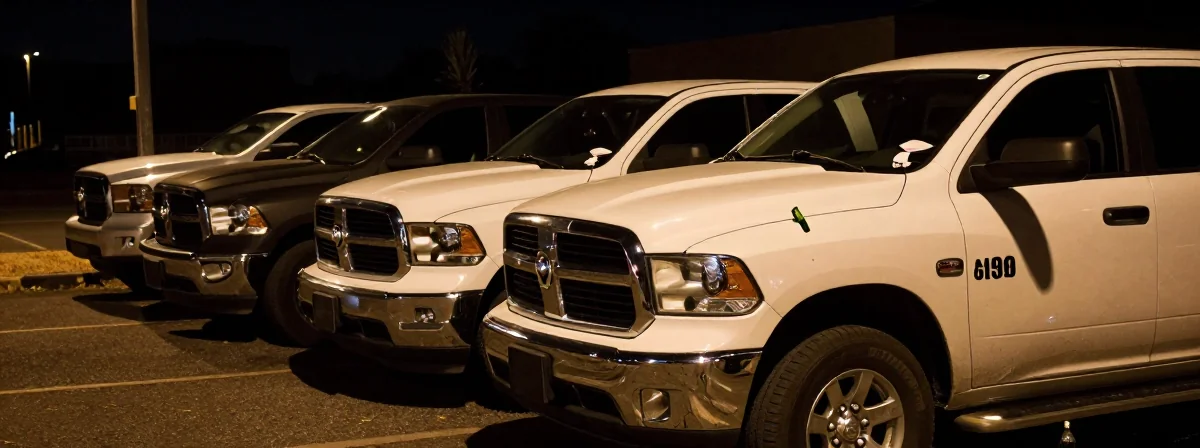
Some days you just know it’s true: drive a giant Ram pickup, and suddenly you’re above the rules. You’re the king of the road, the one who doesn’t need turn signals, the one who can drift into another lane because why not? It’s not just your imagination — there’s a pattern here, and it’s as unsettling as it is predictable.
From an academic perspective, the correlation between certain vehicle choices and behavioral patterns isn’t entirely surprising. Let’s unpack what’s really going on behind the wheel of these battleships.
Examining the Evidence
- The DUI Epidemic Among Ram Owners
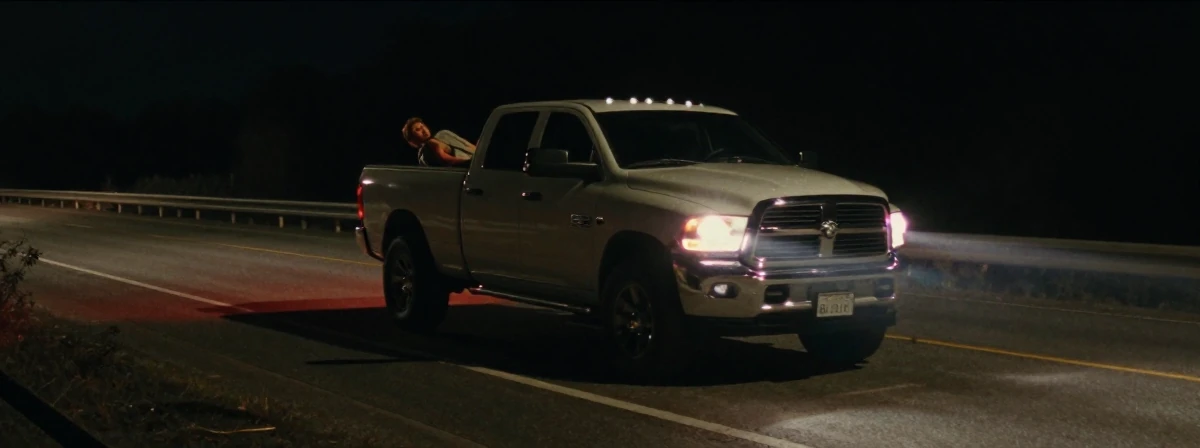
It’s hard to ignore the stats: Ram drivers, particularly of the 2500 variety, seem disproportionately represented in DUI incidents. One study found they have the youngest age demographic for pickup truck buyers — and the most arrests for driving under the influence. Is it a coincidence? Historical precedent suggests not. When you combine a vehicle that screams “dominance” with a culture that often celebrates heavy drinking, the results are predictable.That’s not just a dark joke — it’s a reflection of a mindset where the vehicle’s power outweighs human safety.
- The “Biggest Truck Syndrome”
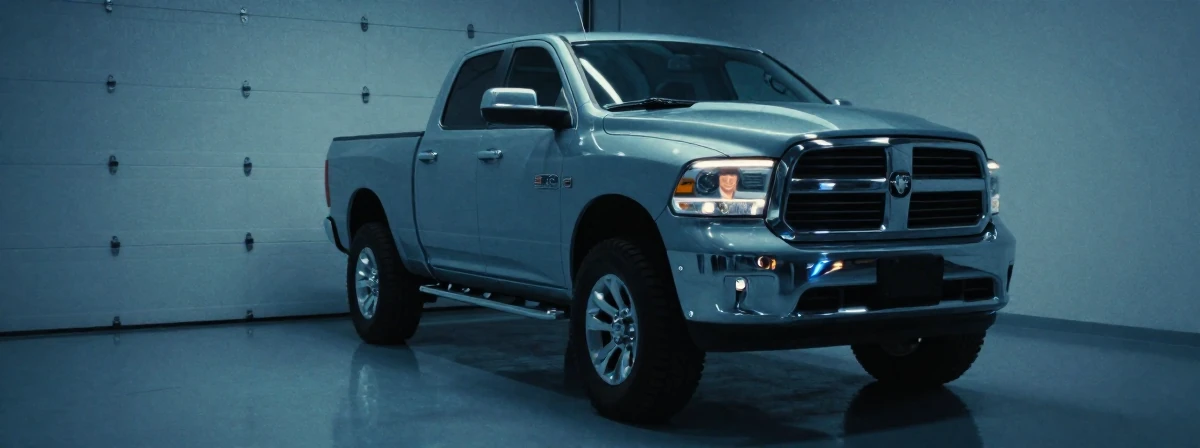
Ever notice how the priciest, loudest trucks are immaculate — except for the aggressive way they’re driven? The biggest trucks often belong to people who’ve never so much as changed a tire. If you genuinely need a truck for work, great. But if you’re driving a lifted Ram just to feel powerful, you’re part of a troubling trend. Research indicates that vehicles designed to project aggression (think oversized grilles, lifted suspensions) attract drivers with similarly aggressive tendencies. It’s not about utility — it’s about projecting an image, and that image often comes with entitlement.
The “Country” Complex
In many suburban and urban areas, pickup trucks have become a status symbol for those who want to signal they’re “country” or “tough” — even if they’ve never set foot on a farm. This performative masculinity isn’t just annoying; it’s linked to higher rates of road rage and reckless driving. The research indicates that drivers who use vehicles as extensions of their ego are more likely to engage in antisocial behavior. It’s not the truck itself — it’s what the truck represents to its owner.The Professional Courtesy Myth
Some drivers seem to think they’re above the law, and in some cases, they might be right. Police officers and politicians with connections can often slide by with minor infractions. But for the average Ram driver zipping through traffic at 90 mph? That sense of impunity is a dangerous illusion. The data shows that even when they do get pulled over, many truck drivers face more serious charges than average — including DUIs and reckless driving. It’s not professional courtesy; it’s a pattern of risky behavior.The Work Truck Paradox
Here’s a twist: many Ram owners do use their trucks for work. Construction workers, landscapers, and tradespeople rely on these vehicles daily. But the same study that highlights DUIs also notes that working-class drivers aren’t the only ones behind the wheel. Middle-class suburbanites and even some in professional jobs are buying these trucks without needing their capabilities. The overlap is telling: some who need the truck are also prone to bad decisions, while others who don’t need it are buying into the same culture of entitlement.The Florida Phenomenon
If you live in Florida, you’ve likely heard the stories: Ram trucks plowing into homes, flipping over on highways, drivers passing out at the wheel. It’s become such a common occurrence that local news barely bats an eye. Why Florida? Some speculate it’s the mix of tourism, aggressive driving culture, and a high concentration of pickup owners. Whatever the reason, it’s a stark reminder that the problem isn’t isolated — it’s systemic.The Economic Angle
Ram trucks, particularly the 1500 and 2500 models, have historically been more affordable than competitors like Ford or Chevy. One theory floats that this attracts buyers who might be lower on the socioeconomic scale — and, historically, those groups have higher rates of alcohol consumption and crime. It’s not about judging income; it’s about recognizing that financial stress and poor decision-making often go hand in hand. When you combine that with a vehicle that encourages risky behavior, the outcome is predictable.The Denali vs. Ram Debate
Is it worse to drive a $90K luxury truck you can’t afford or a $40K Ram with just enough cash left for cheap beer? The answer says something about priorities. Both scenarios reflect poor decision-making, but the Ram driver’s choice often comes with fewer social consequences — and more excuses. After all, if you’re already stretching your budget, are you more or less likely to make other bad choices? The data suggests the latter.The Repossession Reality
Here’s a lesser-known fact: Ram trucks, along with certain other Dodge models, top the lists for vehicle repossessions. What does that tell us? That many owners are living beyond their means — and when money’s tight, judgment often follows. It’s a cycle: financial strain leads to stress, stress leads to poor choices (like drinking and driving), and poor choices lead to more trouble. The truck is just the vehicle (literally) for this pattern.The Overkill 2500 Mistake
Unless you’re towing massive loads or hauling heavy equipment, there’s no reason to own a Ram 2500. It’s overkill for 99% of drivers. The fact that so many people buy it anyway speaks to a desire for more than just utility — it’s about feeling untouchable. And that feeling, as we’ve seen, often leads to trouble. Either scale down to a 1500 or step up to a 3500 if you truly need the power. Anything else is just posturing — and dangerous posturing at that.
The Scholarly Verdict
From an academic standpoint, the Ram truck phenomenon isn’t about the trucks themselves. It’s about what they represent: a culture of entitlement, a celebration of unchecked masculinity, and a dangerous disconnect between power and responsibility. The statistics on DUIs, repossessions, and reckless driving aren’t anomalies — they’re symptoms of a deeper issue. And until we start addressing the mindset behind the wheel, we’ll keep seeing the same patterns repeat. The next time you see a giant Ram barreling down the road, remember: it’s not just the truck — it’s the choices behind it.