
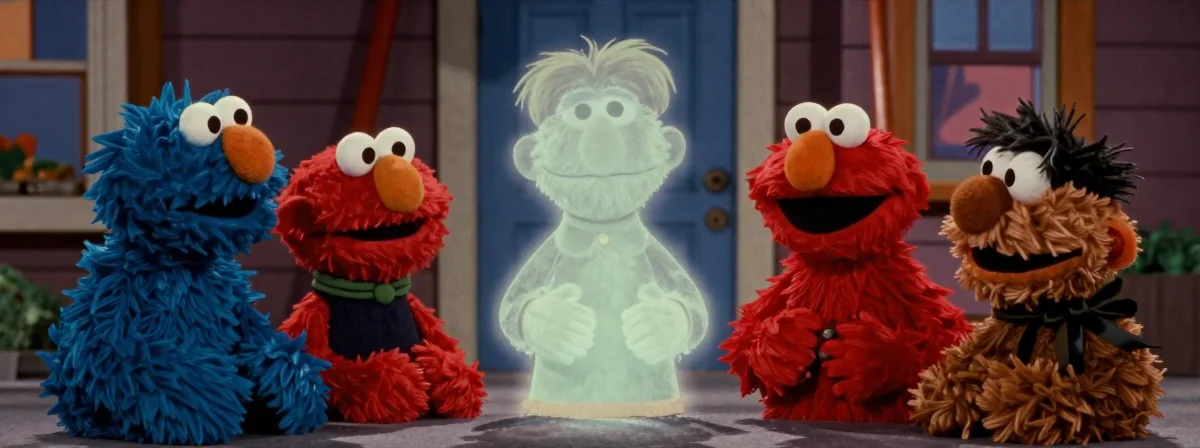
Some shows are just background noise. Others are systems—carefully engineered experiences that burrow into your brain. You know the one I’m talking about. The one where the crew cried so hard filming a scene that the director wanted to retake it, but the actor said, “Nope. That’s the take. It’s perfect.” That’s the episode where Sesame Street taught a six-year-old bird, and by extension all of us, that people don’t live forever. It’s the kind of moment that changes how you see television forever.
The Architecture
When Tears Were the Script.
The scene where Big Bird learns Mr. Hooper died wasn’t acting—it was the cast grieving alongside their characters. Spinney, under his Oscar costume, was weeping. The director, Jon Stone, hesitated. “We can do another take,” he offered. But Spinney knew better. Sometimes the system breaks down just right. Sometimes the most perfect moment is when the machine stops pretending and just feels.Real tears beat fake smiles every time.The Grief Cascade.
It’s like when Glee tried to honor Cory Monteith. The actors weren’t just mourning a character—they were mourning a friend. The camera catches the difference. You see the way Rachel Berry’s lip trembles before she composes herself. It’s the same in the Hooper scene. Big Bird’s confusion is real because the people around him are hurting for real. The system of performance glitched into authenticity.The Drawing That Never Came Down.
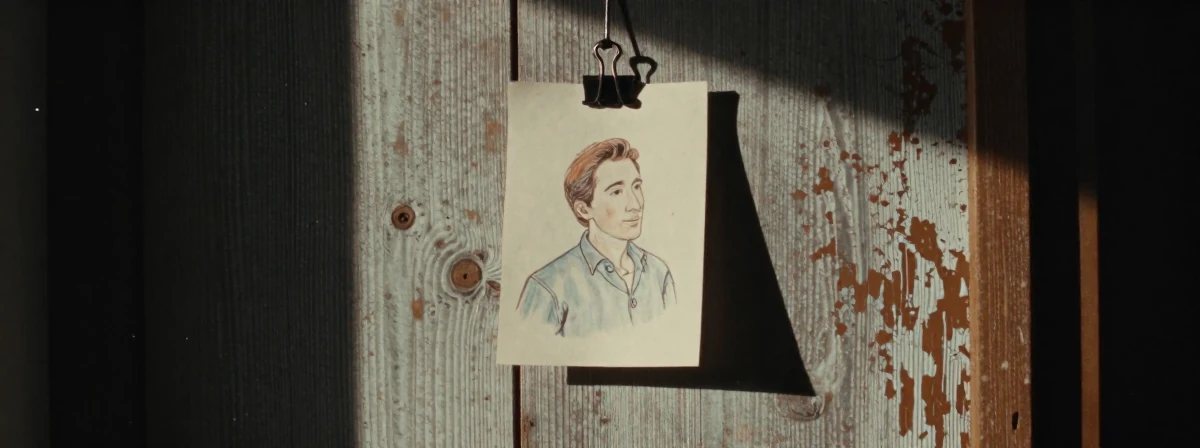
They hung a drawing of Mr. Hooper over Big Bird’s nest. And it’s still there. Every time they film the nest, there he is. Like a ghost in the machine. It’s a constant reminder—this is how you honor someone. You don’t pretend they never existed. You keep their memory visible. It’s the opposite of a save file delete.
Big Bird’s Six-Year-Old Logic.
“Big Bird is canonically six years old,” someone quipped. If he’s six and already that tall, what happens when he’s thirty? Big Bird, the existential horror version. But that’s not the point. The point is a six-year-old mind grappling with finality. The writers didn’t dumb it down—they met him where he was. They used the language of a six-year-old to explain something no child should have to understand.The Thanksgiving Strategy.
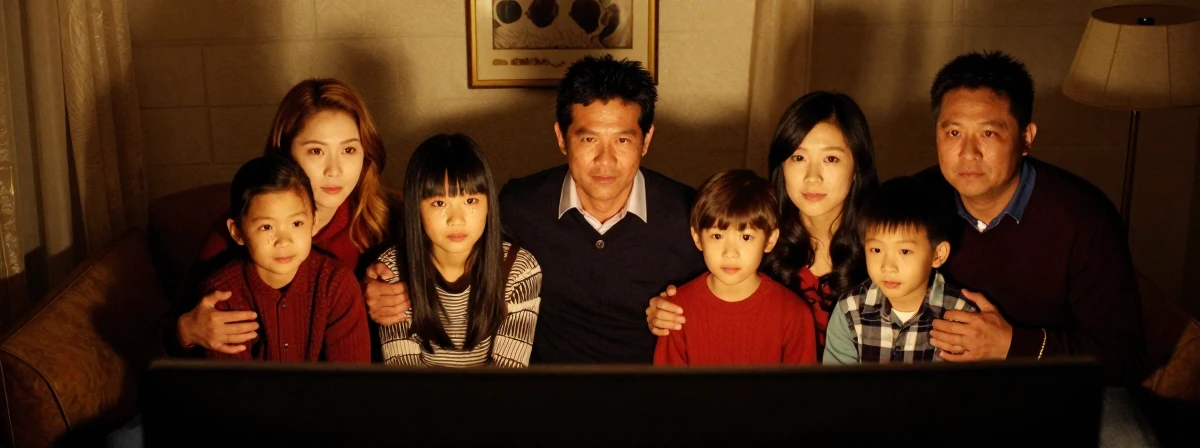
They aired this on Thanksgiving Day, 1983. Deliberately. They knew parents would be home. They knew kids would ask, “Daddy, why are you crying?” It was a calculated move—not to manipulate, but to create a teachable moment. Like loading a system update when the user is most likely to be present. It’s the most thoughtful piece of media scheduling ever.
The Lesson That Stood the Test.
Sesame Street has always been about systems—learning systems, emotional systems. They tested an episode about Snuffleupagus’s parents getting divorced, but the focus group kids started worrying their own parents would split. The system failed. So they scrapped it. But the Mr. Hooper episode? That system worked. It taught death without traumatizing. It created space for questions. It didn’t offer a magic vacuum cleaner solution. It offered presence.The Difference Between Paw Patrol and Pedagogy.
Compare this to today’s kids’ shows. Paw Patrol solves every problem with a gadget. The conflict is arbitrary, the resolution is passive. No lesson, no struggle. Just colorful nonsense. Sesame Street, even in its saddest moment, required participation. It required feeling. It required understanding. It was never about keeping kids quiet. It was about engaging their minds and hearts.
Bottom Line:
We remember Mr. Hooper’s death not because it was shocking, but because it was honest. It was the moment Sesame Street stopped being just a show and became a mirror reflecting real life—messy, painful, and worth talking about. The system of childhood innocence has safeguards. But the best lessons happen when those safeguards are tested. When the machine stops pretending and just tells the truth. That’s when we all learn something.