
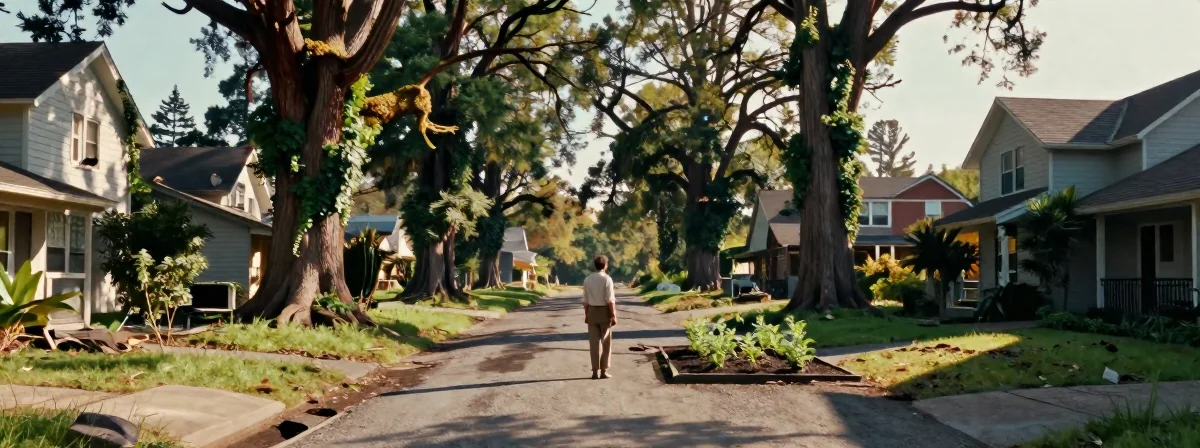
Some of us have spent way too much time thinking about how the world might end — and how we might actually stop it. Forget the Hollywood versions. The real threats aren’t slow-moving zombies or easily contained viruses. They’re the ones that exploit our own weaknesses. The ones where our biggest enemy isn’t the threat itself, but us.
This isn’t about what you’ve seen in movies. This is about the scenarios where, if we just got our act together for five minutes, we could actually win.
The Practical Side
Zombies Would Be Embarrassingly Easy to Beat (Seriously)
Let’s be real: if slow, shuffling zombies actually showed up, militaries around the world would turn them into red mist within days. Artillery, airstrikes, flamethrowers — these things aren’t for show. The only way zombies stand a chance is if they somehow convince us to fight them with Nerf guns and bad strategy. Which, let’s be honest, is entirely possible. The real problem isn’t the zombies; it’s whether we can agree on which brand of zombie-killing supplies to buy.The Pandemic We Almost Fixed (But Didn’t)
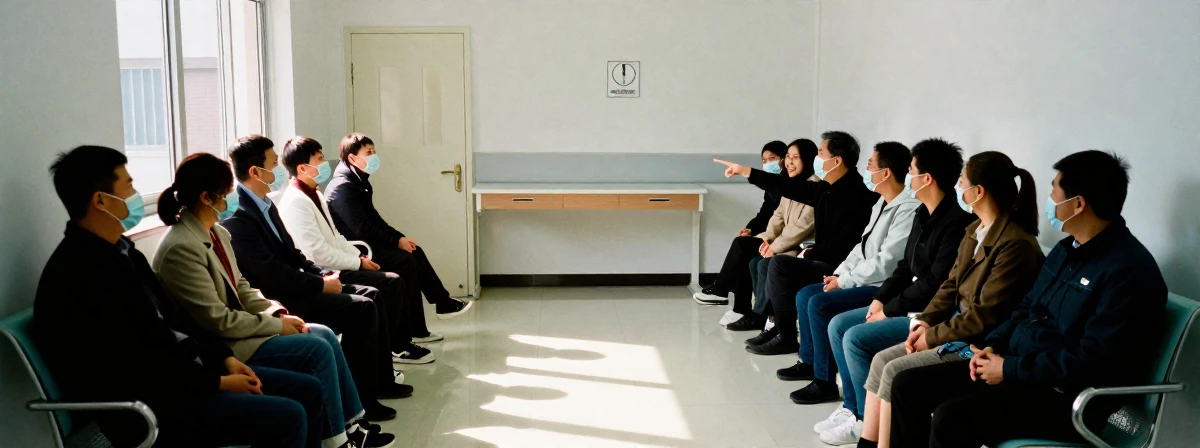
Remember COVID? We had the tools to stop it cold. But instead, we spent months arguing about masks while the virus spread. The real lesson isn’t that we’re doomed — it’s that we’re terrible at coordinated action unless someone’s actively trying to kill us. If a zombie outbreak started tomorrow, expect the same: some places would lock down hard, others would have “zombie parties,” and the whole thing would be politicized before breakfast.
- Decomposition: Nature’s Cleanup Crew
No, really. Zombies in the real world would start falling apart within days. Rain, sun, bacteria — nature doesn’t care about your undead rights. Add in animals (vultures, coyotes, even insects) and the zombie threat starts looking less like an apocalypse and more like a messy weekend cleanup. The only way zombies survive longer than a week is if they somehow develop a resistance to decomposition — which would be way more terrifying than slow shuffling.
- The Silent Killer: No Power, No Internet
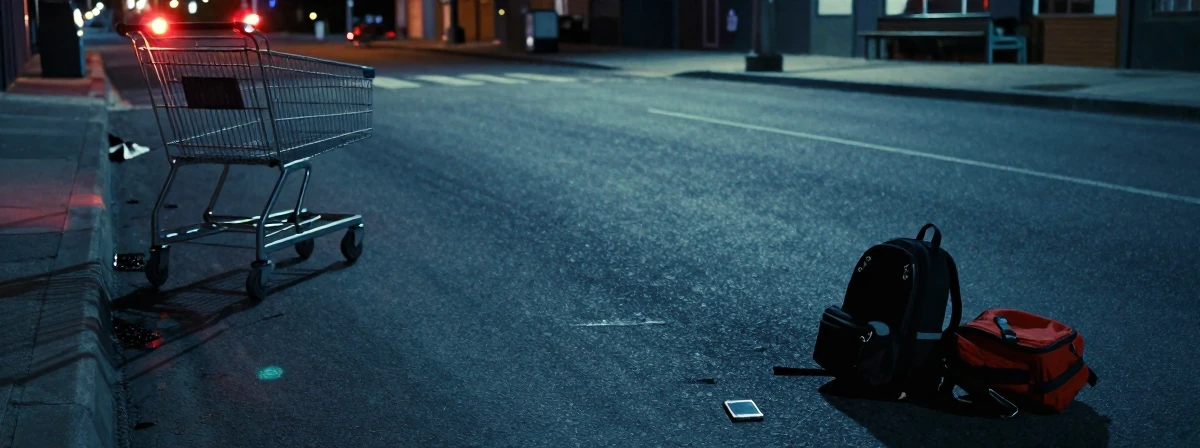
This is the one that would actually break us. Imagine the entire world’s power grid goes dark tomorrow. No food delivery, no water treatment, no communication networks. Modern society would collapse in about 72 hours. The funny part? We could probably fix it within a week if we just stopped panicking long enough to call the right people. But good luck getting anyone to agree on who “the right people” are when the lights are out.
AI Uprising? More Like a Bunch of Roombas with Attitude
Unless someone’s dumb enough to build AI-powered nuclear reactors (and let’s be real, someone probably is), a rogue AI would fizzle out fast. Take away the power grid, and all those super-intelligent algorithms suddenly have about as much threat potential as a Roomba bouncing off a wall. The real danger isn’t Skynet; it’s the fact that we’re giving increasingly powerful tools to people who still can’t agree on how to load a dishwasher.The Asteroid We Could Actually Stop
This is the one that keeps astronomers up at night — and for good reason. A big enough asteroid could end us all. But here’s the thing: we actually have the technology to stop it. We could detect it years in advance, nudge it off course, or even blast it to pieces. The only catch? We have to notice it first. And coordinate internationally. And not panic. Which, again, is the hard part.The Real Fragility: 20% Is All It Takes
Most people assume society needs a 50% population wipeout to collapse. The real number is probably closer to 20%. Why? Because modern society runs on specialists. Lose the people who know how to run power plants, manage water treatment, or keep the internet running, and everything else falls apart fast. The scary truth isn’t that we’re fragile; it’s that we’re fragile in ways we never think about until it’s too late.
Is It Worth It?
The next time you find yourself doomscrolling through apocalypse scenarios, remember this: most of the threats we fear are ones we could actually handle — if we just stopped making things worse. The real problem isn’t the zombies, the viruses, or the robots. It’s the fact that we’re so good at turning manageable problems into full-blown disasters through our own infighting and incompetence.
Maybe the most realistic apocalypse scenario isn’t one where the world ends. It’s one where we keep proving we’re the real threat to civilization. And honestly? That one’s scarier.