

Some people still think the “dead or alive” posters from the Old West were just for show. They weren’t. They were a blunt tool for a blunt time. Imagine you’re a small-town sheriff with a murderer on the loose. You don’t have the manpower or the money to chase them down yourself. So you offer a reward—and you make it clear you’ll take whatever you can get. It’s about results, not ideals.
The Practical Side
“Dead or alive” was about options, not encouragement.
Most people back then weren’t itching to kill someone. But if a fugitive died during a shootout while resisting arrest? The bounty hunter still got paid. It wasn’t a license to murder—it was an acknowledgment that some situations are out of your control. And if the criminal was armed and dangerous, the odds of bringing them in alive were slim anyway.Capturing someone alive was often harder work.
Why offer the same reward for dead or alive? Because bringing in a live, dangerous fugitive is riskier. You need to subdue them without killing them—which isn’t easy when they’re trying to kill you. The reward wasn’t for the effort; it was for the result. If you got lucky and they died in the process, you still delivered.“Outlaw” meant something different then.
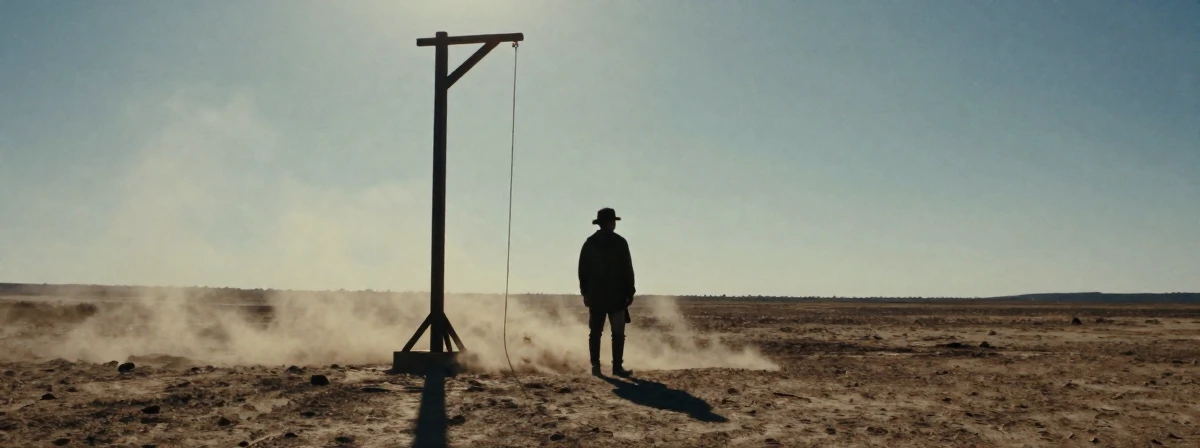
Today, we think of an outlaw as just a criminal. Back then, being declared an outlaw meant you were outside the law entirely. No legal protection, no right to a trial. You could be killed with no legal consequences. So why bother bringing them in alive? They’d just be executed anyway.
Trials were expensive and rare.
Small towns didn’t have judges, prisons, or even gallows. A trial meant summoning a judge (if you could find one), building a makeshift courtroom, and housing the prisoner—all while risking an escape. Hanging someone with a rope from a tree was faster, cheaper, and more certain. “Dead or alive” often meant the town didn’t want to deal with the hassle of a trial.Sometimes, the reward was higher for a live capture.
This sounds counterintuitive, but it makes sense. A live prisoner could testify, name accomplices, or provide information. A dead body tells you nothing. In one famous case, Missouri offered $5,000 for Jesse James’s arrest and another $5,000 for his conviction. Killing him would have meant missing out on that second reward—and the chance to learn about his gang.
Identifying the right person was a mess.
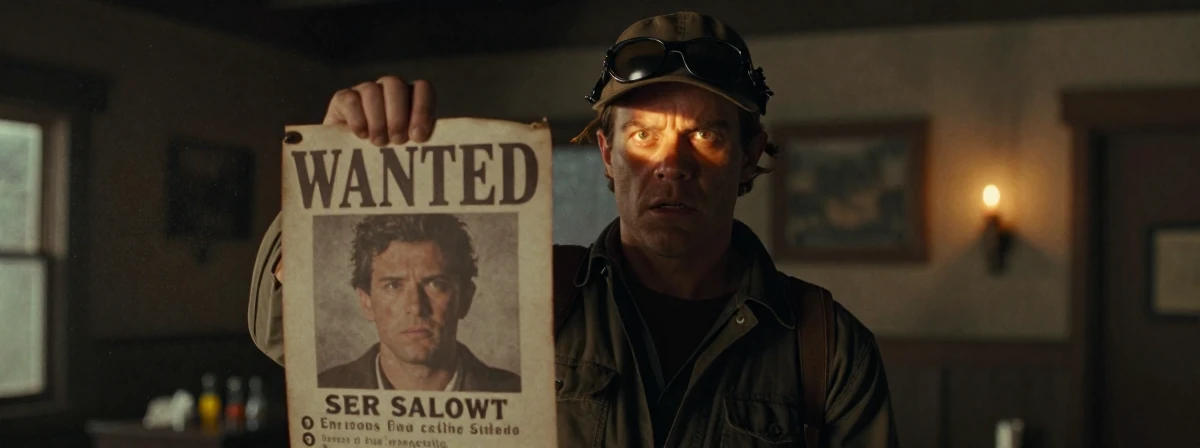
Ever tried to match a face to a blurry wanted poster? It’s hard. Descriptions were vague, and most bounty hunters relied on word of mouth or distinctive features. Kill the wrong person and claim the reward? That could get you hanged yourself. “Dead or alive” didn’t mean “kill anyone who looks similar”—it meant “make sure it’s the right person, however you can.”Movies got it wrong.
Hollywood loves the “dead or alive” poster as a symbol of lawlessness. But in reality, it was often a matter of practicality. If the criminal died resisting arrest, the bounty hunter wasn’t cheated. If they surrendered, great. The poster wasn’t a call to violence; it was a desperate plea for help with no strings attached.Saving money wasn’t the only reason.
Bringing someone in alive meant the state had to pay for a trial, jail time, and execution. Killing them saved those costs. But it also meant losing the chance for a public trial, which could serve as a warning to others. Sometimes, the narrative mattered as much as the body.
The next time you see a “dead or alive” reference, remember: it wasn’t about bloodlust. It was about results in a time when results were hard to come by. The law couldn’t always catch up, so they made do with what they had. And maybe, just maybe, they hoped for the best outcome—even if they planned for the worst.